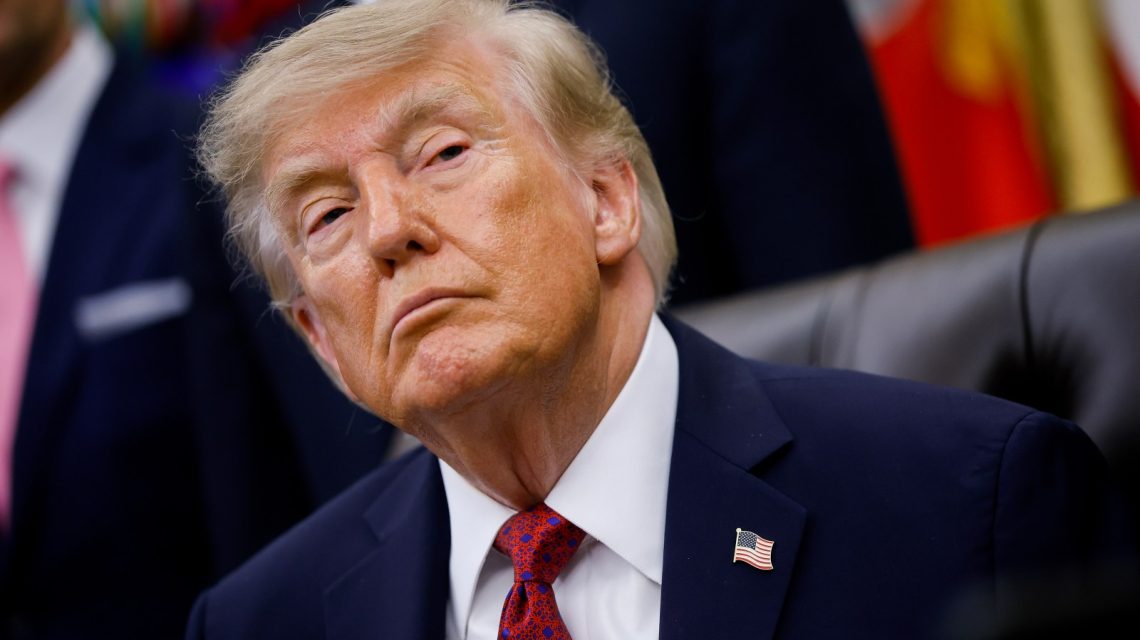
Representative Shomari Figures from Alabama has introduced a bill that seeks to reverse significant changes made to student loan policies during President Donald Trump’s administration. The proposal, known as the Restoring Opportunity for Advanced Education Act, aims to reinstate access to Grad PLUS loans and remove federal borrowing caps for graduate and professional students that were established under the previous administration’s One Big Beautiful Bill.
Background on Recent Changes
Under the Trump administration, limits on graduate student borrowing went into effect on July 1. These changes capped the amount students could borrow in federal loans and ended the Grad PLUS program for new borrowers. The Department of Education implemented these limits intending to reduce excessive student debt and encourage colleges to moderate tuition costs.
Critics argue that such limitations may hinder access to graduate and professional education for middle-income students without the financial means to cover significant out-of-pocket expenses or qualify for private loans. Professional degree programs, such as those for doctors, lawyers, and psychologists, often come with expenses in the six-figure range. The potential impact of the legislation could be significant for these future professionals.
The Proposed Changes
The original One Big Beautiful Bill introduced substantial adjustments to federal student aid programs. Most notable was the removal of the Grad PLUS loan program that enabled students to borrow up to the full cost of attendance. Starting July 1, 2026, the new law set borrowing limits as follows:
- Graduate students: $20,500 per year, $100,000 total
- Professional students: $50,000 per year, $200,000 total
A lifetime federal student loan cap of $257,500 was also implemented across all federal loan programs. The administration claimed these measures would prevent excessive borrowing and motivate institutions to lower costs.
The Cost of Professional Degrees
The cost of pursuing degrees such as medicine, dentistry, and veterinary medicine often exceeds $200,000 to $300,000, including tuition and living expenses.
Degrees like dentistry can cost up to $500,000 at some institutions. Law, psychology, and pharmacy graduates typically face substantial student debt as well.
Proposed Bill Details
Figures’ bill seeks to eliminate the new restrictions on graduate and professional school borrowing. The legislation would remove annual borrowing caps and restore the Grad PLUS loan program. It would also eliminate the lifetime borrowing limit.
According to Kevin Thompson, CEO of 9i Capital Group, the current borrowing caps are set to align borrowing with expected income from the degree and to encourage reduced education costs. However, Figures argues that these caps restrict access to higher education and limit opportunities.
Implications for Borrowers
Experts warn that current restrictions may leave many students needing alternative financing options. Research from American University shows that about 370,000 graduate and professional borrowers could lose access to necessary federal loans due to these caps, pushing them towards private loans.
Private loans typically offer less favorable conditions compared to federal loans, with fewer repayment options and protections during financial hardships. The need for a strong credit history or co-signer further complicates private borrowing.
Alex Beene, a financial literacy instructor, notes that repealing the limits might expand access to loans but could also reduce pressure on universities to keep costs in check.
Legislative Outlook
The proposed bill faces significant challenges in a Republican-controlled Congress. Kevin Thompson notes that the current political makeup makes it unlikely for recent policies to be reversed.
While passage of the bill seems doubtful, discussions on federal student loan policy are expected to continue in the future.
 Legal Challenge Against School Funding Inequalities in West Virginia
  Potential Changes Loom for School Voucher Programs
  Trump’s 2024 Reelection and Evolving Voter Dynamics
  Regents Exam Elimination Raises Concerns Over Student and School Accountability
  Education Funding Disparities in West Virginia
  Defense Secretary Emerges as Key Player in the Trump Administration