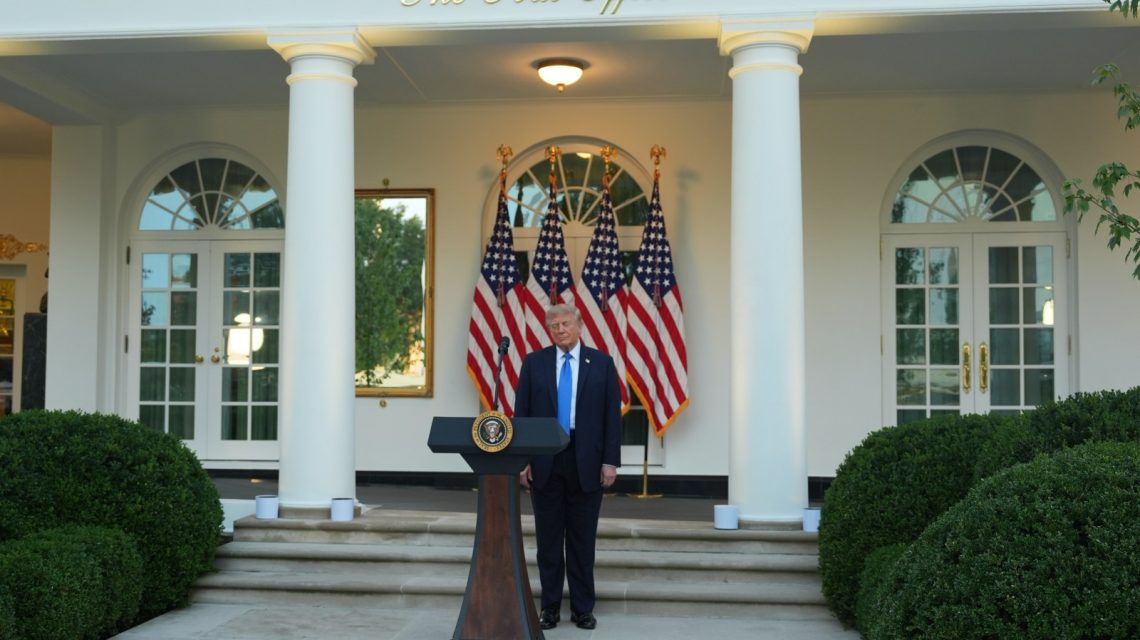
President Donald Trump is launching a campaign effort to support Republicans as they face the challenging task of maintaining Congressional control in the 2026 midterm elections. During a White House Rose Garden dinner, Trump announced his plan to actively campaign in approximately 35 races. These races are deemed crucial for the GOP to retain its majorities.
Trump emphasized his intention to focus on competitive House and Senate battles, making numerous stops as the campaign nears its final stages. He has already campaigned in Texas and South Carolina and plans further appearances, including a trip to Alaska to support Senator Dan Sullivan.
“It’s all about 35 races,” Trump stated. “I’m going to go to every one of those 35 places and we’re going to see if we can get everyone elected.”
As the midterm elections approach, several Senate races have grown increasingly competitive. The Cook Political Report has labeled six Senate races as Toss Ups: Alaska, Iowa, Maine, Michigan, Ohio, and Texas. Republicans hold five of these seats, while Michigan is a Democratic-held seat. This offers Democrats opportunities for gains. In recent updates, Cook shifted the Iowa and Texas Senate races from Lean Republican to Toss Up due to competitive polling.
In tandem with Trump’s campaign efforts, Elon Musk’s super PAC, America PAC, has begun significant financial support for Republican candidates. The PAC has committed around $800,000 in independent expenditures, marking its initial spending in the 2026 cycle, according to filings with the Federal Election Commission.
Musk’s PAC has reported approximately $50 million in receipts through recent filings, emerging as a substantial Republican donor. America PAC has invested six figures in races such as Ken Paxton’s campaign in Texas, the Alaska Senate race, and the Iowa Senate race. Money has also gone toward select House races, including Florida’s U.S. House District 25.
The combined influence of Trump’s campaign appearances and Musk’s financial backing signifies a concentrated Republican initiative to bolster vulnerable candidates before the elections. Flipping relatively few key races could change Congressional control, making Trump’s role pivotal in the GOP strategy.
Midterm elections often reflect public sentiment toward the current president. Historically, the president’s party tends to lose seats during these elections. Currently, Republicans hold a slim majority with 218 seats in the House against 212 for Democrats. They also maintain a 53-45 majority in the Senate, excluding independents Bernie Sanders and Angus King, who caucus with Democrats.
Texas is showing potential for Democrats to claim a Republican Senate seat. Ken Paxton is challenged by Democrat James Talarico in a tightly contested race, prompting Trump to campaign for Paxton in Texas. Significant resources are expected to be allocated by Republicans in the state.
Maine attracts Democratic attention as they pursue the four-seat Senate gain needed for control. Republican Senator Susan Collins faces Democratic rival Troy Jackson. Polls reveal the race is close, with Jackson slightly ahead in some surveys.
On CNN, former Republican Governor Chris Sununu of New Hampshire commented on Trump’s campaign efforts, acknowledging logistical challenges but recommending focus on areas where past successes could benefit the Republican Party overall.
For inquiries, contact Newsweek editors: Gray R. Thomas
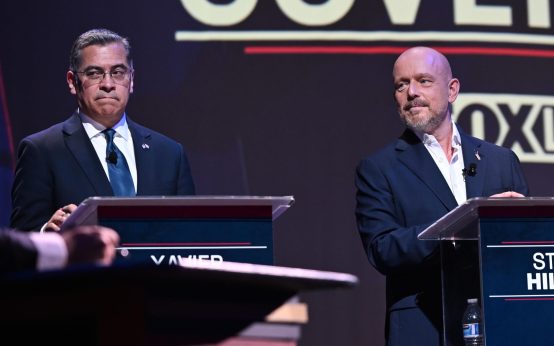 Becerra and Hilton Clash in California Gubernatorial Debate
  California Voters to Decide on $7.5 Billion State Research Fund
 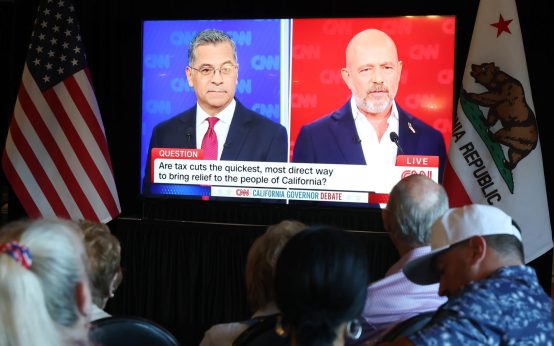 Highlights from the California Gubernatorial Debate: Becerra vs. Hilton
  Becerra vs. Hilton: The Debate and Key Issues in the California Governor Race
  Senate Confirms New Labor Secretary
 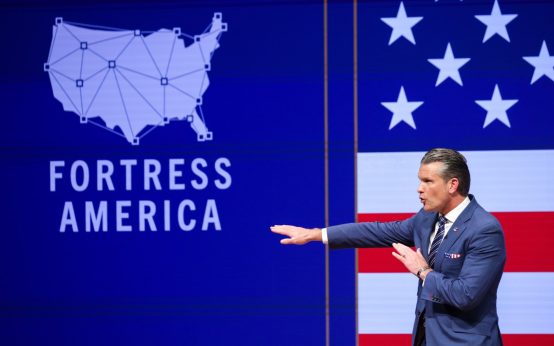 Hegseth’s Ambitious Military Initiatives to Reshape Warfare