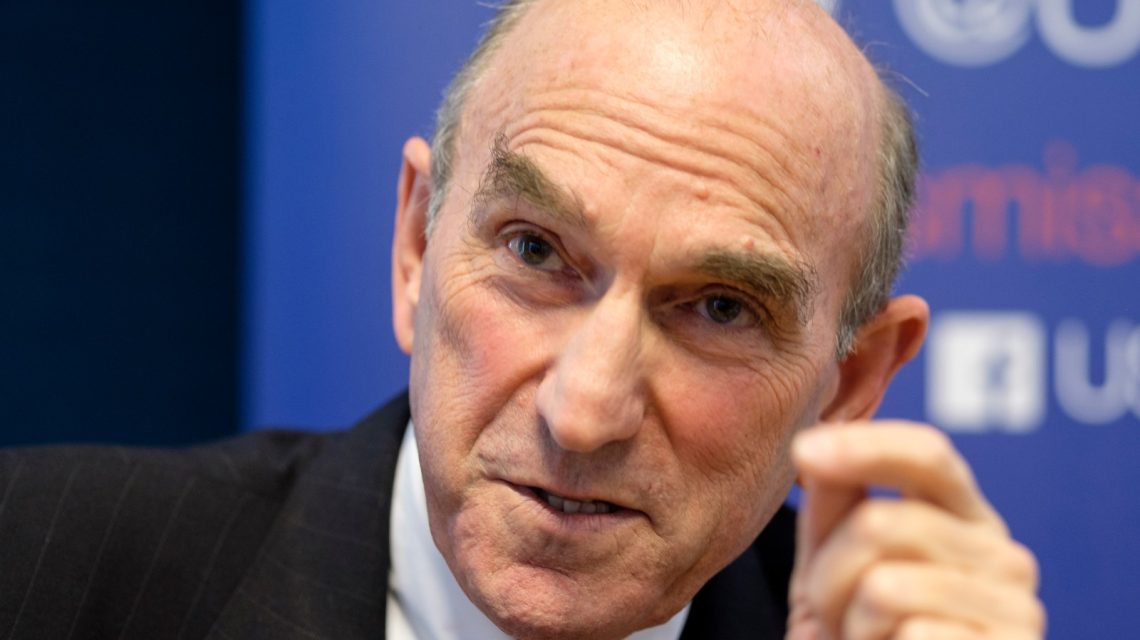
Elliott Abrams and Venezuela’s Political Scene
Elliott Abrams initially backed the Trump administration’s Venezuela policy, supporting Juan Guaidó and the removal of President Nicolás Maduro. Nine months after Maduro’s ousting, Abrams has become a prominent critic of the administration’s new oil deal with Venezuela’s interim government.
The Controversial Oil Agreement
The Trump administration’s oil arrangement with Venezuela is a ‘shameful sellout,’ Abrams argues.
According to Abrams, this deal gives North American Blue Energy Partners (NABEP) rights to seventeen oil fields with significant reserves. In return, the U.S. State Department secured the right to purchase a portion of NABEP’s output at production cost, and the Department of War received a stake in NABEP’s parent company.
Opposition across Venezuela’s political spectrum highlights concerns about Alejandro Betancourt, a businessman with ties to past regimes and allegations of money laundering.
Changing U.S. Policy on Venezuela
Abrams highlighted a shift from previous U.S. support for Juan Guaidó to a more favorable stance toward Delcy Rodríguez. The current administration appears less focused on pushing for democratic reforms.
Abrams criticized the oil deal as a disincentive for political transition, implying Washington’s involvement in Venezuela’s oil strengthens Rodríguez’s authority.
Analyzing Trump’s Personal Involvement
Abrams notes a change in the U.S. team handling Venezuela policy since Trump’s first administration, affecting levels of personal involvement and the nature of U.S. interactions with Venezuelan officials.
Rubio’s Position on Venezuela
Senator Marco Rubio, previously critical of the Venezuelan regime, now appears to have developed a more amicable relationship. Abrams expresses concern over this shift, emphasizing risks involved in aligning with controversial figures like Betancourt.
Why Betancourt’s Role is Contentious
Betancourt’s association with corruption under past Venezuelan regimes alarms critics, especially given his involvement in deals with Chávez and Maduro. This involvement could undermine perceptions of clean governance.
Impact on Negotiated Transitions
Abrams warns the deal complicates efforts to achieve political change. He stresses the importance of setting an election date to move toward democracy and restore Venezuelan goodwill toward the U.S.
Commercial Viability Concerns
Abrams doubts the deal’s long-term sustainability, citing constitutional issues and skepticism about investment viability under current political conditions.
U.S. Soft Power and Regional Credibility
The oil deal potentially tarnishes U.S. credibility in Latin America, raising questions about genuine commitments to freedom and democracy compared to economic interests.
Popularity of Maria Corina Machado
Despite President Trump’s distance, Maria Corina Machado remains a popular political figure opposed to the oil deal, highlighting ongoing political dynamics in Venezuela.
Understanding Venezuela’s Leadership
Abrams discusses Delcy Rodríguez and key figures behind Venezuela’s transformation from democracy to dictatorship, illustrating their roles in the country’s political repression.
Advice for U.S. Policy on Venezuela
Abrams advocates for pressuring Rodríguez to set an election date and release political prisoners, paving the way for democratic progress.
Military’s Role in Democratic Transitions
Negotiations involving the military are crucial for democratic transitions. Abrams explains historical precedents and the necessity of engaging the military in Venezuela’s future.
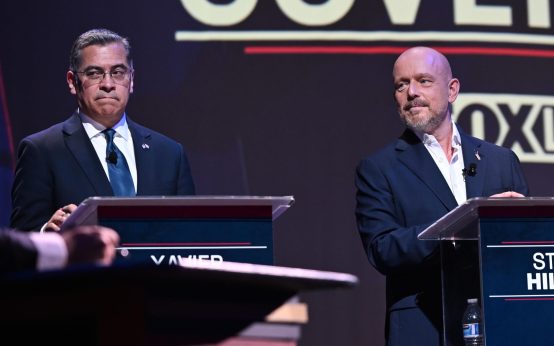 Becerra and Hilton Clash in California Gubernatorial Debate
  California Voters to Decide on $7.5 Billion State Research Fund
 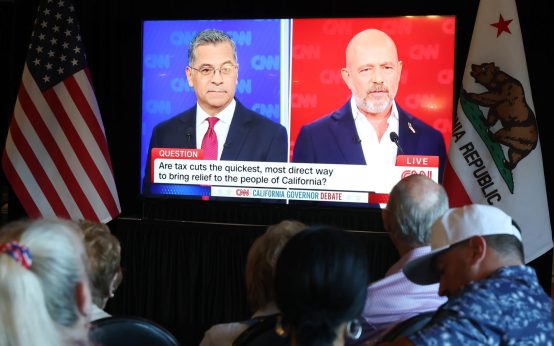 Highlights from the California Gubernatorial Debate: Becerra vs. Hilton
 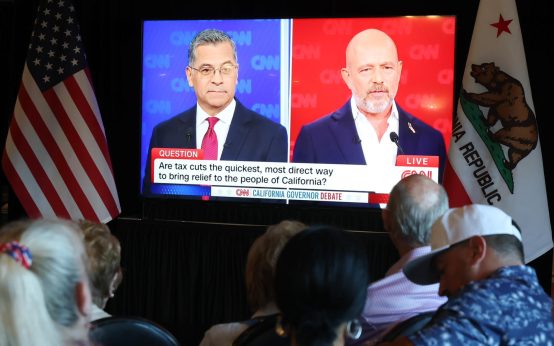 Becerra vs. Hilton: The Debate and Key Issues in the California Governor Race
  Senate Confirms New Labor Secretary
 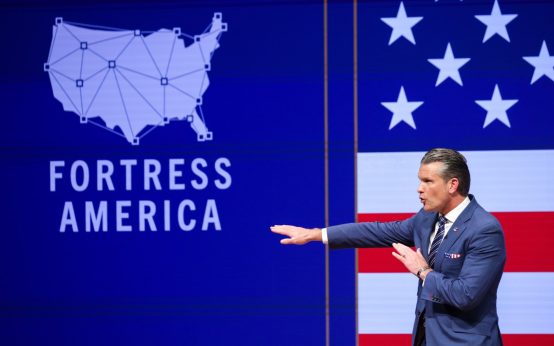 Hegseth’s Ambitious Military Initiatives to Reshape Warfare