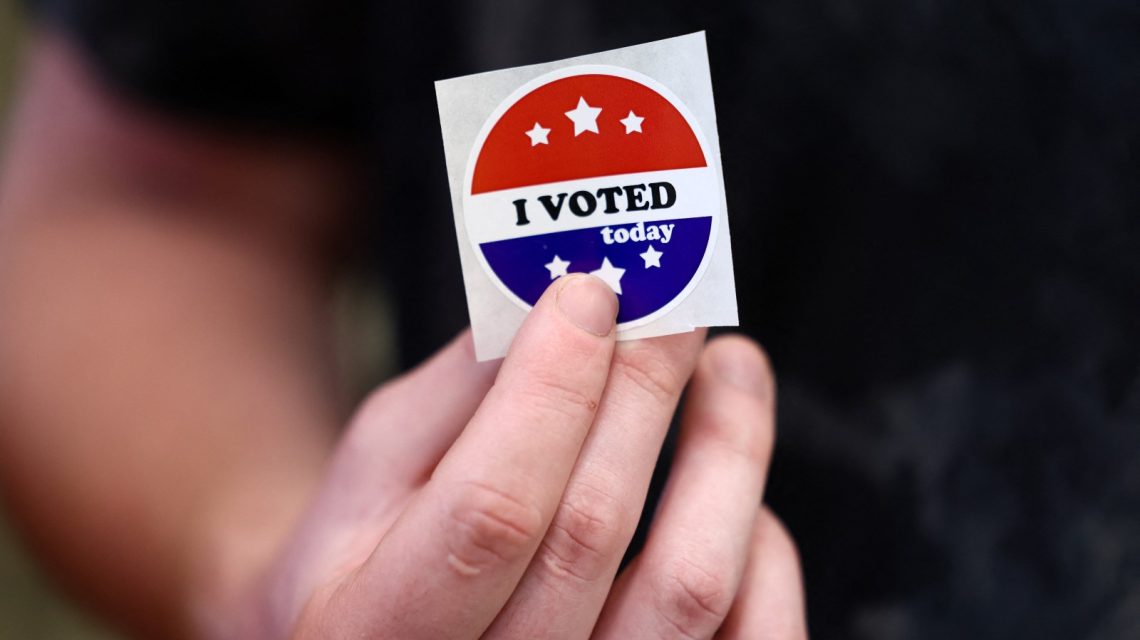
Across the nation, political campaign teams are preparing with caution, investing in Champagne and stocking up on tissue boxes in anticipation of the midterm elections set for November 3. Candidates will either celebrate with their supporters or seek solace, whereas nonpartisan organizations like ours, focused on a more representative electorate, will be assessing something different. Key questions include whether Americans voted in substantial numbers and if new voter turnout records were set. Another concern is how many eligible voters remained uncontacted and excluded from the process.
Many Americans reside in communities that are consistently neglected by campaigns. These civic deserts do not play a part in campaign turf battles or political outreach efforts. Some of these communities lack a strong voting history or have historically low participation rates. Enhanced voter data allows campaigns to engage in microtargeting, where ads reach only those likely to vote in support of their candidate.
Read More on Opinion
The campaigns that made a brief entry in 2026 will soon relocate, taking their data and analysis with them. This may lead them to overlook the same communities in 2027 local elections and the 2028 presidential election. As a result, communities without strong voting histories, often lower-income, get ignored perpetually. Ignored communities do not participate, and this cycle continues.
This pattern needs scrutiny before conclusions are drawn about who participated on Election Day and why. Nonprofits doing nonpartisan voter engagement play a crucial role here. We recognize the nonprofits that took initiative today.
Looking at past election data, we can predict barriers that might impact this year’s participation. While voter contact drives turnout, it is interconnected with other obstacles. Organizations can guide those with a weak voting history through challenges like structural barriers, securing required ID, and overcoming language obstacles.
Rutgers reported that among disabled individuals who did not vote in 2024, 15.6% cited lack of assistance as an issue. For those who did vote, 16.4% faced voting difficulties, nearly double the rate for non-disabled voters. An estimated 40.2 million Americans with disabilities were eligible to vote in 2024, representing nearly one in six eligible voters.
Work conflicts prevent individuals from voting, especially those who cannot afford to miss work. Nonprofits can break this cycle by informing voters about early voting and mail ballot options, enabling them to fit voting into their schedule. These immense communities are stuck in a loop of limited outreach due to financial realities.
Neglected communities also include the younger demographic. After the 2024 election, 59% of nonvoters aged 18 to 34 reported no contact from organizations or campaigns. This group might benefit from guidance on first-time voting but isn’t prioritized by campaigns focusing on likely voters.
Campaigns operate under time and resource constraints. Their goals are election victories and therefore prioritize contacting consistent voters. Thus, missing a single election diminishes someone’s likelihood of future outreach, although this doesn’t reflect their interest in societal issues.
An extensive network of community organizations can help address these barriers. Nonprofits work year-round, often in areas without political campaign activity. Unlike campaign operations, their work continues post-elections.
Their capacity deserves more attention and investment, especially with upcoming elections in 2027 and 2028. Voter education and support shouldn’t solely hinge on campaign priorities that appear briefly and disappear.
On November 4, the nation will analyze the results. We’ll hear about winning candidates, effective messages, and participating voters. Once election paraphernalia is cleared away and campaign offices close, overlooked communities will persist.
Before deciding future voter engagement strategies based on current turnout figures, we must consider how many eligible voters were excluded from prior discussions. More importantly, we need strategies to include them next time.
Brian Miller is the executive director of Nonprofit VOTE and co-author of Help Your Community Vote (Berrett-Koehler Publishers, 2027).
The views expressed in this article are the writer’s own.
 Mayor Mamdani’s Policing Reform Plans
 Gen Z Voter Shifts and Their Impact on the 2026 Midterm Elections
 Disappearance of US Senate Candidate Raises Questions
 DOJ Rule Change Reduces Appeal Time for Immigrants Facing Deportation
 Hakeem Jeffries’ Bid for House Speaker Faces Progressive Hurdles
 Ohio Judge Dismisses Defamation Lawsuit by Rep. Max Miller