
It’s unsettling to consider the possibility of human thinking becoming obsolete or seen as less valuable due to the rise of artificial intelligence. Despite its challenges, AI is a permanent presence. Educators must prepare students for this reality and highlight the risks of excessive dependence on technology.
AI excels in pattern recognition, swiftly processing extensive data. Yet it lacks human creativity and cannot daydream, take on other perspectives, or express genuine emotions. This distinction provides an opportunity for educators to highlight unique human strengths.
Teaching should focus on creativity, empathy, and authentic self-expression. These are areas where AI falls short. By championing these skills, educators can prepare students to leverage AI without becoming subordinate to it.
Understanding AI’s capabilities and limitations is crucial for developing a balanced relationship with technology. Encouraging critical thinking and fostering skills that machines cannot replicate will ensure students can navigate a future where AI is prevalent.
 Troy Swanson: Award-Winning Librarian Transforming Academic Libraries
 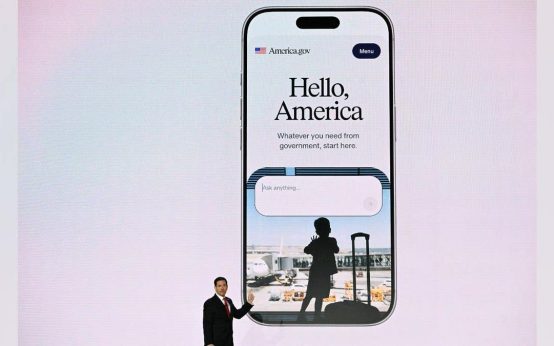 Trump Unveils AI-Powered America.gov Platform
 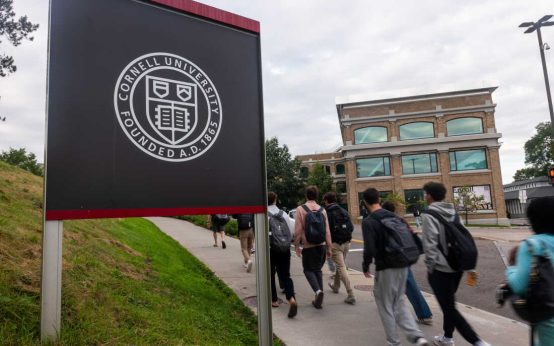 Cornell University to Investigate Handling of Alleged Assault Case
  Legal Challenge Against School Funding Inequalities in West Virginia
  Potential Changes Loom for School Voucher Programs
  Regents Exam Elimination Raises Concerns Over Student and School Accountability