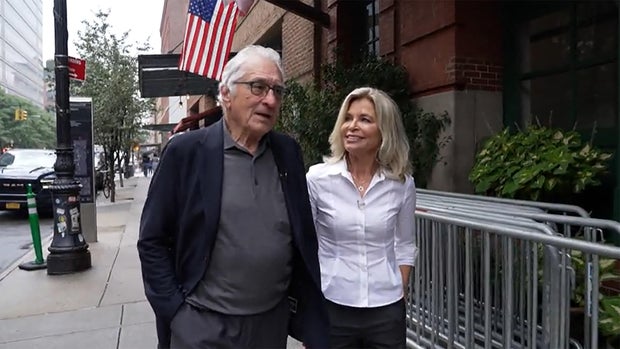
Film icon Robert De Niro has long been associated with Lower Manhattan, a place he calls home. The September 11 terror attacks deeply affected him, as he was about to travel to California but witnessed the horrific scenes in Midtown. De Niro recounted seeing the smoke billowing from the North Tower, confirming the unimaginable events on television, and witnessing the collapse of the South Tower.
In a conversation with CBS, De Niro shared how his neighborhood transformed into a ghost town after 9/11. Dangerous dust from Ground Zero covered area homes, prompting De Niro to seal his windows in fear of toxic exposure.
“The thing I remember most is, right up here it was with the dust that was wet down, as I say, every day, every few hours maybe, with the sanitation water trucks to keep that stuff down.”
In the aftermath, De Niro and producer Jane Rosenthal sought ways to support recovery efforts. Determined to revitalize Lower Manhattan, they launched the Tribeca Film Festival. With the first event held in May 2002, eight months after 9/11, the festival aimed to offer a sense of hope and healing.
The inaugural festival attracted high-profile guests, including Nelson Mandela, as the community united to envision a brighter future. Rosenthal reflected on her motivations in helping her community:
“As a mother of two little girls. I was scared: What’s going to happen again? I mean, it’s all those feelings. But it’s also like, okay, how can we help? If we can help, if we can do something, then something good will come of it.”
De Niro and Rosenthal wanted to create an opportunity for people to experience joy and anticipation. With over 150,000 attendees at its debut, the festival became a symbol of resilience.
Celebrating its 25th anniversary, the Tribeca Film Festival has expanded to include concerts, panels, and diverse events. The new documentary “Tribeca 25” premieres on Netflix, showcasing the festival’s impact.
De Niro’s passion for politics continues to be as strong as his dedication to his art. He participated in national rallies against political dynasties, advocating for a more democratic nation. Tribeca remains a testament to utilizing art as a response to trauma, with De Niro and Rosenthal clear about their mission:
“We’re a festival that was started because of an act of war. It was to say to the rest of the world, ‘We’re still here.’”
The founders have faced political hurdles, particularly during the Trump administration. De Niro dismissed accusations of “Trump Derangement Syndrome,” framing them as deflections from real issues.
Looking back, De Niro expresses pride in contributing to the redevelopment of Lower Manhattan. Through the Tribeca Film Festival, thousands of films have brought cultural and economic vitality back to the area.
In De Niro’s words, “I always felt it would come back,” affirming belief in recovery and growth. Tribeca Film Festival’s legacy continues to support not only filmmakers but also aid the city’s renewal.
To watch the trailer for “Tribeca 25,” it is available on YouTube. The documentary reflecting on the festival’s history and influence will be accessible on Netflix starting September 11.
 The Quest for the Knuckleball Dream
  Navigating Grief After a Sibling’s Overdose
  Zoe Kazan’s Journey with ‘East of Eden’
  Pete Davidson Criticizes NYC Mayor Zohran Mamdani Over BQE Construction
  Chris Hansen Criticizes Hollywood’s Portrayal in ‘Primetime’
  Monet Mazur’s Home Targeted in Hollywood Hills Burglary Attempt