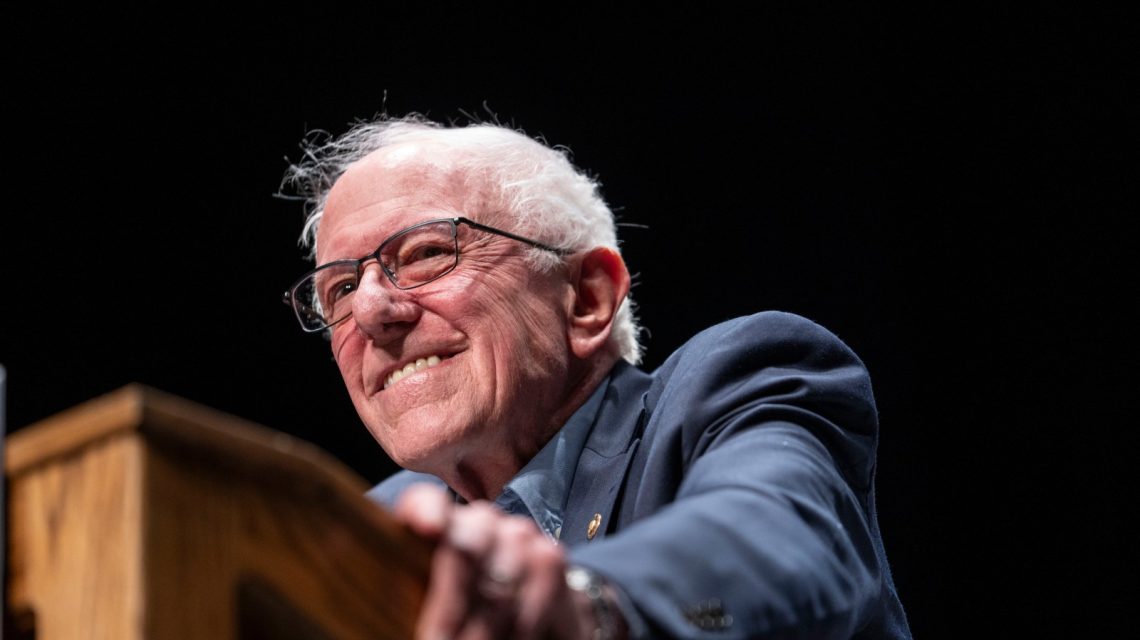
Senator Bernie Sanders has introduced a proposal aimed at safeguarding millions of older Americans and individuals with disabilities from reduced Social Security benefits due to unpaid federal student loans. The Stop Social Security Garnishment Act, as the proposed legislation is named, seeks to prevent the federal government from garnishing Social Security payments for the collection of defaulted student loan debts. This initiative, backed by Senators Elizabeth Warren and Ed Markey, is slated for formal introduction when the Senate reconvenes next month.
In a statement, Sanders condemned the garnishment practice, which affects seniors owing student loans dating back decades, particularly following what he called Trump’s detrimental cuts to education funding. Sanders emphasized the hardship of garnishing Social Security benefits in a nation of wealth, especially when beneficiaries cannot afford essential living expenses such as healthcare, prescription drugs, groceries, and housing.
Importance of the Legislation
Currently, 9 million to 9.5 million borrowers default on federal student loans, impacting both young and older borrowers. Significantly, over 3 million Americans aged over 62 hold student loan debt, with a third relying on Social Security payments. For beneficiaries, reductions due to garnishment can mean foregoing medical care or prescriptions.
“In the richest country in the history of the world, no senior should have their Social Security payments taken away from them to pay back student debt,” said Sanders.
Key Features of the Act
- Prohibiting garnishment of Social Security payments for student loan collection.
- Protecting Social Security Disability Insurance (SSDI) from student loan collections.
- Preserving Social Security income for older adults and disabled individuals.
- Ensuring access to benefits for essentials like housing, food, medicine, and healthcare.
The proposal aims to modify current laws that allow the U.S. government to offset federal benefits to collect defaulted student loans, sometimes up to 15% of a monthly Social Security payment.
Current Status and Collection Practices
The Trump administration has temporarily paused involuntary collection activities against student loan borrowers, affecting Social Security offsets. Despite the pause, future policy shifts could reinstate garnishment unless prevented legislatively. Dissention exists, with concerns about U.S. fiscal policy as national debt grows.
Kevin Thompson, CEO of 9i Capital Group, expressed concerns noting, “As U.S. debt approaches $40 trillion and GDP slows, how much can we afford to write down?”
Beneficiaries of the Legislation
- Seniors with Student Debt: Avoid reductions in Social Security checks.
- Disabled Borrowers: Protection for those receiving SSDI benefits.
- Borrowers in Default: Targets those whose loans are unpaid for extended periods.
Though the debt remains, Social Security garnishment would end, offering a level of financial protection.
Potential Developments
The proposal awaits introduction and approval from Congress, facing uncertain prospects amid Republican control and divisive student loan policies. Nonetheless, the education system might undergo substantial transformations, focusing on reduced loan amounts and alignment with job market demands. The future trajectory of student loan practices and legislative interventions remain pivotal.
Sociopolitical discussions continue around finding a balanced approach between debt recovery efforts and borrower relief.
 Trump’s Use of Public Funds for Political Ads Sparks Controversy
  Dennis Hastert’s Legacy: From Political Leader to Controversy
  Tensions Within the Trump Administration Highlighted by Policy Reversals
  Democrats Hold Advantage Before Midterms, But Voter Sentiment Is Complex
  Democrats Strategize As Midterm Elections Approach
  Mary Peltola Emerges as Leading Candidate in Alaska Senate Race