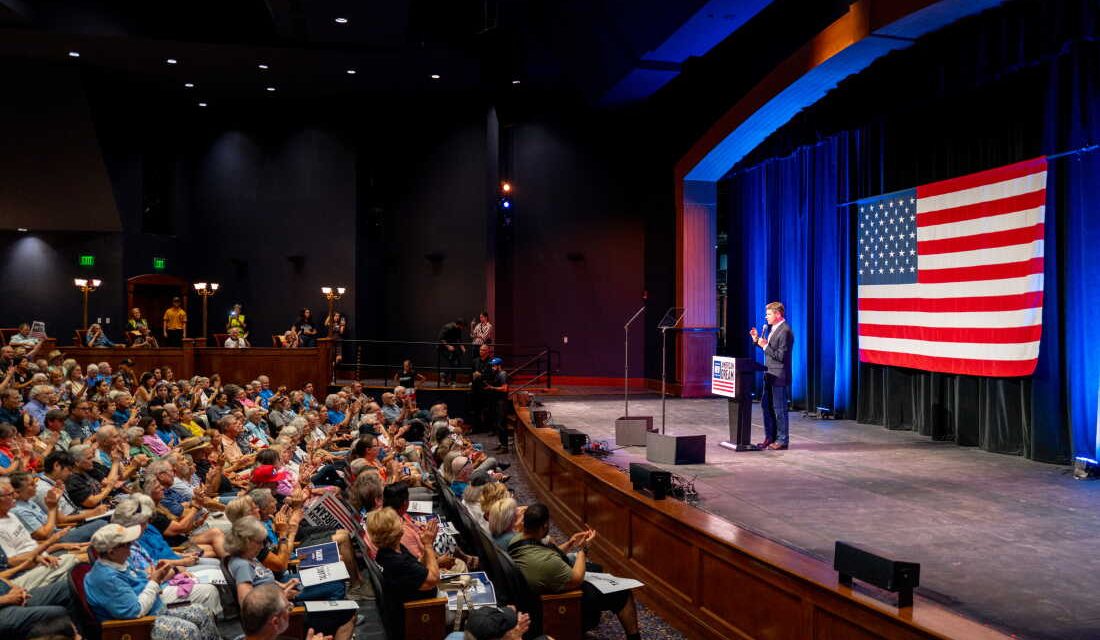
In August 2026, Democratic Senate candidate James Talarico spoke at a rally in Kerrville, Texas, marking the unofficial start of general election campaigning. The political arena has changed significantly due to increased Democratic enthusiasm and the unpopular agenda during President Trump’s second term.
Republicans hold narrow majorities in both the House and the Senate, but history shows that the party in power often loses ground in midterms. Recent primary outcomes and public opinion polls suggest a possible shift in power, with predictions of Republicans losing control of Congress and facing losses in conservative areas.
Key issues like the war in Iran, immigration, tariffs, and rising gas prices have left voters concerned. Trump’s approval ratings have hit record lows, with many seeing a gap between their priorities and Trump’s focus, including projects like the White House ballroom renovation.
Democrats have bounced back after tough losses in 2024, regaining traction among their base and independents dissatisfied with current conditions. As the contest for Congress ramps up, states under both parties have redistricted in an attempt to secure more safe seats.
Polling averages show Democrats might secure the House, with a majority of voters preferring Democratic representation. Initially, the Senate seemed less attainable for Democrats, with costly tossup races expected in states like Georgia and North Carolina.
Now, significant races are unfolding in Republican-leaning territories like Iowa, Texas, Ohio, and Alaska. With strong Democratic nominees and the presence of third-party candidates, Senate control remains uncertain for either party. Democratic candidates are surpassing their Republican counterparts in fundraising. Conversely, Republican committees and Trump’s MAGA, Inc. super PAC have significant cash reserves, though their spending patterns raise questions.
Amid concerns, MAGA, Inc. announced a $10 million ad buy to support Texas Republican Senate nominee Ken Paxton. Meanwhile, Republicans host an unprecedented midterm convention in Dallas to energize their base and appeal to independents, emphasizing their suitability for another term in Congress.
Despite their challenges, Democrats are working to refine their messaging. Their unpopularity has been driven by dissatisfaction among their base with party leadership. The recent gubernatorial victories in Virginia and New Jersey highlight improvements.
In 2026, primary voters have replaced several long-standing incumbents, with others stepping down voluntarily. Democratic nominees in key races often acknowledge party flaws as part of their messaging strategy.
 Defense Secretary Emerges as Key Player in the Trump Administration
  Hegseth’s Vision for the Military: Balancing Tradition and Innovation
 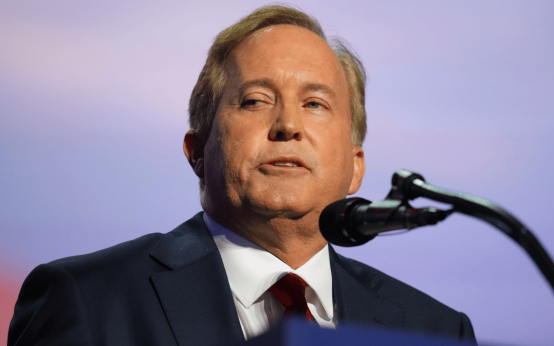 Significant Funding Boosts Ken Paxton’s Texas Senate Campaign Amid Tight Race
 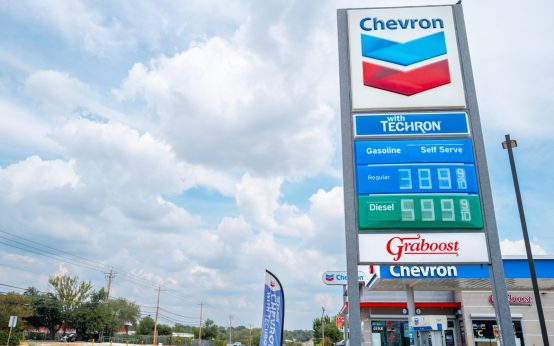 U.S. States Extend Gas Tax Waivers Amid Rising Fuel Costs Due to Iran Conflict
  USCIS Raises Immigration Fees
  The Surveillance Threat to U.S. Federal Agents