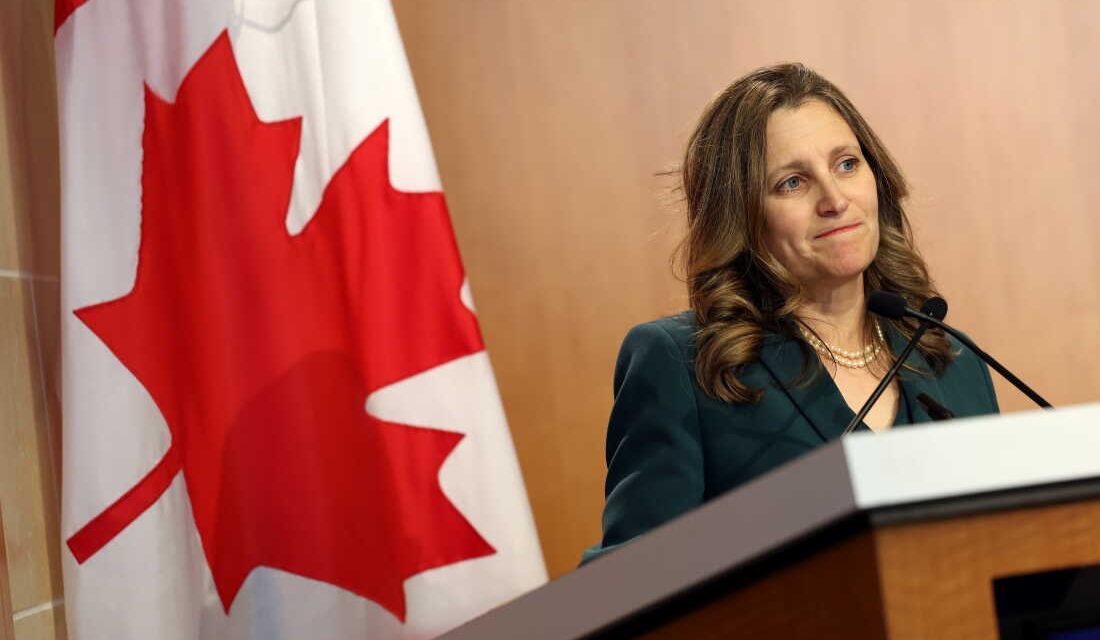
Canada has recently intensified its trade dispute with the United States by enacting significant tariffs on American goods. These tariffs, which can reach up to 50%, affect approximately $20 billion worth of U.S. products. This development is part of an ongoing trade war that has led to increased costs and strained a once-close relationship between the two countries.
The Canadian government, led by Prime Minister Mark Carney, implemented tariffs in retaliation for U.S. tariffs on Canadian goods. These new measures mirror the economic impact of the U.S. tariffs without targeting identical products. Beyond the economic implications, many Canadians feel a deep sense of betrayal by a nation they considered an ally. The situation has been exacerbated by remarks from President Trump, who has suggested that Canada should consider becoming the 51st state of the United States, expressing a preference for economic pressure over military action to achieve this aim.
As tensions mount, Canadians have reduced their travel to the United States and are boycotting American products. This trade conflict has noticeably affected economic relations, with U.S. auto exports to Canada decreasing by 22% since the onset of the dispute. Notably, Canada remains the largest consumer for 26 U.S. states and is among the top three for 45 states. The complexity of these economic ties makes the situation challenging to resolve.
Chrystia Freeland, a former Canadian deputy prime minister and finance minister, provides insight into the evolving relationship. Freeland, who played a crucial role in negotiating the U.S.-Mexico-Canada Agreement during Trump’s first term, warned that the U.S. risks alienating its traditional allies. She asserted in an interview with NPR’s Morning Edition that if the U.S. is worried about China’s influence, forming alliances with longstanding allies is crucial. She emphasized the need for the U.S. to cease its antagonistic actions towards its allies.
Freeland also addressed the idea that Canada’s smaller economy necessitates submission to U.S. demands. She recounted a moment during earlier trade negotiations when it was suggested that the United States’ larger economy justified greater influence. Freeland rejected this notion, stating, “That is not a way to have a partnership, and Canadians simply won’t stand for it.” The ongoing trade disputes underscore the need for cooperative and equitable relations.
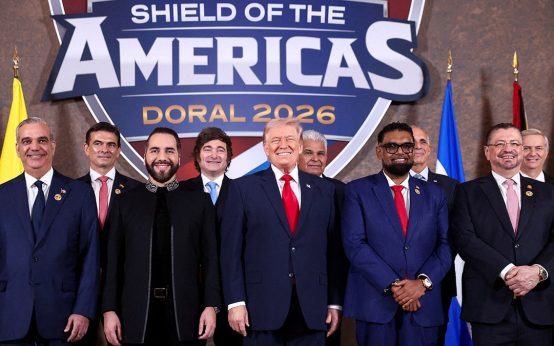 Bolivia Faces Security Test Amid Unrest
  Incident on FlyDubai Flight Raises Security Concerns
 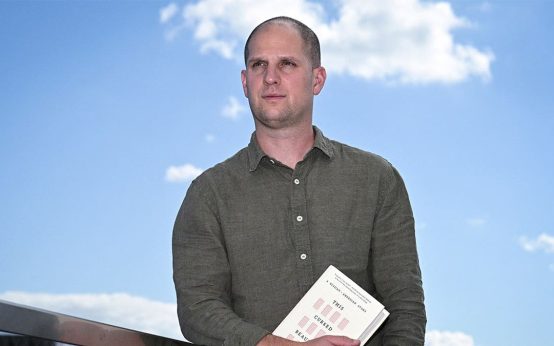 Journalist Gershkovich Discusses Wrongful Detention and Release in Russian Prisoner Swap
  Pakistan Airstrikes in Afghanistan: Civilian Casualties Reported
 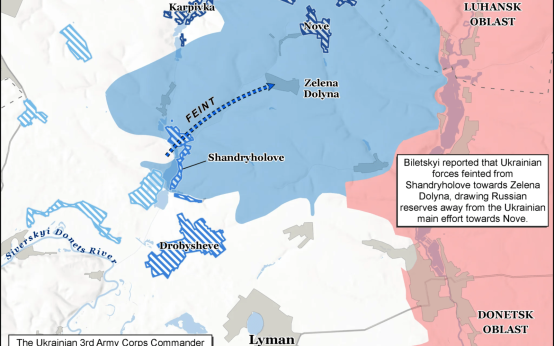 Ukraine Converts APCs to Explosive Devices in Donetsk Offensive
  Dutch Review Board’s Euthanasia Ruling and International Debate