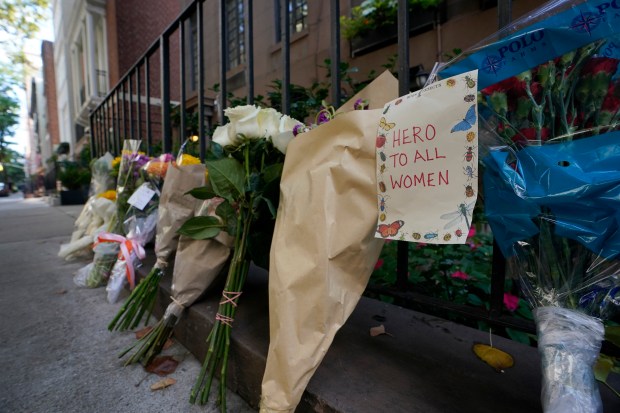
As summer concludes, the loss of iconic individuals and institutions marks a profound moment of reflection. Perennials once believed to be everlasting are now memories. In a short span, we’ve said goodbye to legendary figures and a pivotal cultural institution.
Dolly Parton was a beloved performer and cultural icon. Although many didn’t meet her personally, her presence felt familiar. Her appeal was magnified by her 1980 film debut in ‘9 to 5,’ where she portrayed a distressed assistant under a sexist employer. This resonated with audiences before the rise of movements like Me Too. The film’s song, ‘Workin’ 9 to 5,’ captured the essence of workplace struggles and was penned by Parton herself.
Despite typically staying away from politics, Parton passionately supported various causes. Her contributions to literacy, medical research, disaster relief, and needy students through scholarships were notable. Importantly, she fervently advocated for the LGBTQ+ community and Black Lives Matter.
Though she didn’t publicly identify as a feminist, Gloria Steinem, founding editor of Ms. magazine, recognized the blend of feminism and Parton’s music. Steinem highlighted how Parton’s work transcended musical boundaries, bringing authentic life and powerful women into pop music. Steinem, a second-wave feminist, passed earlier this month. She was an influential voice for equality, advocating for the Equal Rights Amendment and reproductive freedom.
In 1983, my husband and I challenged Florida’s law mandating that a child’s surname adhere to the father’s last name. We won, altering name laws and establishing parents’ rights to choose their child’s name. Steinem met us in a meeting, signed her book for our daughter with words of encouragement, ‘To Rachel, who is our future!’ Interestingly, Rachel interned at ‘Ms.’ magazine subsequently.
The recent demise of the Kennedy Center compounds the sense of loss. A pillar of national arts, the center has suffered under political pressure. President Trump’s actions have alienated artists, curtailed public tours, and led to staff dismissals. The removal of Joel Shapiro’s sculpture, Blue, signifies further changes. Despite efforts to affix his name to the center’s facade, Trump has threatened the institution’s closure due to structural challenges. The Kennedy Center, home to legendary performances like Aretha Franklin’s tribute to Carole King in 2015, was central to cultural experiences for millions, including my son’s dance company.
Facing the loss of Steinem, Parton, and the Kennedy Center, the void seems immense and shakes the core of artistic and personal liberties nurtured by these figures and institution. Parton and Steinem stood in contrast to the political climate, advocating for diversity, literacy, and personal freedom. Steinem criticized Trump publicly, urging societal efforts for change. Both recognized history’s long arc during tumultuous times.
After mourning, the challenge remains: cultivate new beginnings to ensure tomorrow’s celebrations outshine today’s grief. Christine Ledbetter, formerly senior arts editor at The Washington Post, reflects from Illinois, continuing to write on culture and politics.
Submit a letter, of no more than 400 words, to the editor here or email [email protected].
 Defense Secretary Emerges as Key Player in the Trump Administration
  Hegseth’s Vision for the Military: Balancing Tradition and Innovation
 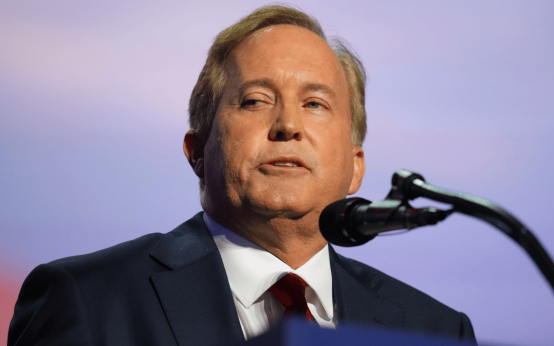 Significant Funding Boosts Ken Paxton’s Texas Senate Campaign Amid Tight Race
  U.S. States Extend Gas Tax Waivers Amid Rising Fuel Costs Due to Iran Conflict
  USCIS Raises Immigration Fees
  The Surveillance Threat to U.S. Federal Agents