
In a recent and unexpected move, the Trump administration has chosen to partially lift sanctions on Hong Kong. These sanctions were originally set in place six years ago, following a severe clampdown on personal freedoms and dissent within the city. The decision to ease restrictions arrives at a perplexing moment.
This development comes on the heels of significant actions by Hong Kong authorities. Recently, police conducted raids on two independent bookstores. Five booksellers were taken into custody, accused of selling publications considered ‘seditious.’ Such materials reportedly diverged from the narratives endorsed by the Communist Party.
The timing of these events raises questions about the appropriateness of reducing sanctions. While the administration may view this action as an olive branch extended to China, it comes amidst ongoing suppression of free speech within Hong Kong. Observers are trying to understand the implications of this gesture and what the Trump administration might expect in return from China’s leadership.
The lifting of sanctions is a complex issue, viewed by many as potentially undermining the efforts to promote personal freedoms in Hong Kong. As discussions continue, clarity about the strategic motivations behind this decision remains a subject of global interest and debate.
 The Trump Team’s Challenge to the Military Leadership
  Maryland First State to Restrict Electronic Pricing in Grocery Stores
  British Police Arrest Man Suspected of Terror Plot
  Activists Push for Nationwide Ban on Child Marriage in the U.S.
 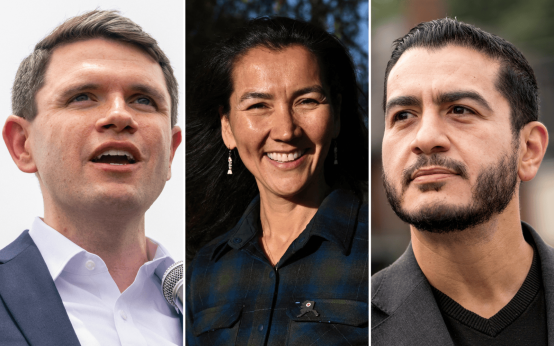 Democratic Hopes and Historical Warnings in 2026 Senate Race
  Republicans Face Challenges Amidst Cost of Living Concerns