
Artificial light at night may affect more than sleep. A recent study suggests a link between nighttime light exposure and changes in heart structure and function, increasing the risk of cardiovascular diseases.
Researchers from Tulane University found that more light exposure at night correlated with negative cardiac remodeling signs and reduced heart function. These findings were published in the European Heart Journal on September 9. With cardiovascular diseases being the leading cause of death globally, this study sheds light on potential preventative measures.
Data from over 11,000 UK Biobank participants were analyzed. They wore wrist devices to record nighttime light exposure for seven days. Cardiovascular magnetic resonance (CMR) imaging was performed to assess heart structure and function.
Higher levels of night light exposure were linked to increased heart muscle mass and thicker heart walls. These changes can lead to cardiovascular disease. Impaired function on both sides of the heart was also noted.
Dr. Lu Qi, the study lead from the Tulane University Obesity Research Center, mentioned that nighttime light might impact heart health by disrupting sleep duration and quality. This disruption could affect circadian rhythm, the body’s natural clock that regulates various systems.
“The findings suggest that bedroom lighting affects cardiovascular health. It’s beneficial to turn off lights while sleeping,” said Qi.
What Is Light Pollution?
Light pollution involves excessive artificial light in the environment. Key sources include streetlights, illuminated buildings, vehicle headlights, devices, and outdoor ads.
Previous research associated nighttime light with obesity, hypertension, diabetes, and increased cardiovascular risks. Disrupted circadian rhythm and cardiac regulation, as well as inflammation, were identified as contributing factors.
Martin Young, a medicine professor at the University of Alabama, explained that “every cell has a molecular circadian clock controlling biological processes,” which can be disrupted by misplaced light exposure at night. This disruption can harm synchronization within the body, leading to potential heart damage.
Young elaborated that lab studies show circadian disruption in heart cells affects their ability to replace damaged components during sleep. This can cause heart issues in the long run.
Symptoms of Cardiovascular Diseases
Cardiovascular disease encompasses conditions affecting the heart and blood vessels. Symptoms vary, including:
- Chest pain or discomfort
- Indigestion-like stomach pain
- Shortness of breath
- Throat tightness
- Dizziness or fainting
- Heart palpitations
- Extreme fatigue
- Swelling in legs, ankles, or feet
Expert Opinions
The study’s significance is substantial, said Young. Research indicates that environmental factors disrupting sleep or circadian rhythms increase risks for cardiometabolic diseases like obesity, diabetes, hypertension, strokes, and heart attacks.
Young emphasized the urgency to understand how nighttime light exposure boosts disease risk. He advised reducing night light exposure. “If not possible, blocking blue light that impairs sleep and rhythms can help,” he suggested.
Resynchronizing body clocks offers another solution. “Morning light exposure, a good breakfast, and physical activity assist in resetting clocks,” Young added.
Reference: Jin Dai, Wen Dai, Yoriko Heianza, Lu Qi, (2026) Nighttime light exposure and cardiac structure and function, European Heart Journal. https://doi.org/10.1093/eurheartj/ehag563
 Increased Funding Needed for Psychiatric Hospitals
  Trump Administration Distributes ACA Refund Checks
 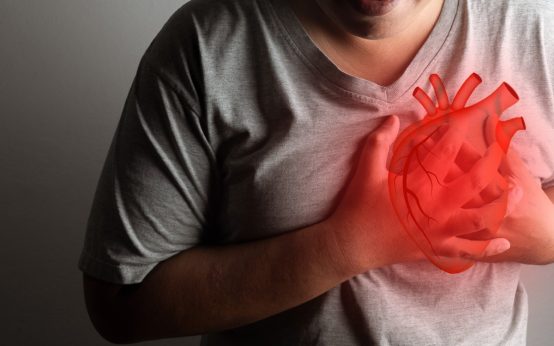 Higher Consumption of Ultra-Processed Foods Linked to Increased Health Risks
  Understanding Inflammation: Myths and Facts
  Calm Parenting: Strategies to Manage Stress
  Trump’s Executive Order to Combat Mosquitoes and Ticks in D.C.