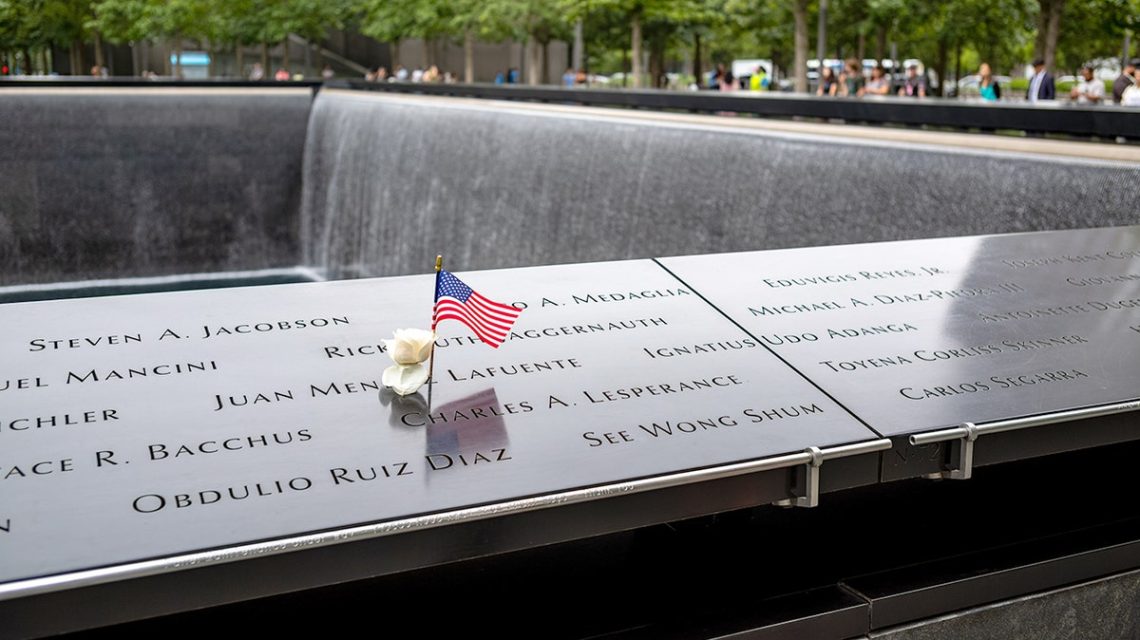
On September 11, 2001, Javed Ali drove past the Pentagon on his way to work in Virginia. Shortly after, American Airlines Flight 77 crashed into the building. From his Falls Church office, Ali saw smoke rising. A year later, he worked within the Pentagon for the Defense Intelligence Agency’s counterterrorism office.
Ali described his experience as surreal, witnessing the shift in national security firsthand. Over 25 years, the U.S. has built a robust security architecture. This system makes large-scale attacks like 9/11 harder. Intelligence and military efforts have disrupted much of al Qaeda, preventing similar attacks.
Despite this success, terrorism has transformed. The biggest threats now involve individuals radicalized online and small cells acting with little warning. Foreign groups aim to inspire attacks from afar. Cyber and state-sponsored threats have also emerged, targeting the U.S. internally without the need for hijacking planes.
Building the Security State Post-9/11
The American response was vast. President Bush signed legislation creating the Transportation Security Administration two months post-attacks. TSA became the largest civilian undertaking in U.S. history, assuming control of airport security.
In 2003, the Department of Homeland Security (DHS) was established, merging 22 agencies. DHS now employs over 260,000 people across various security missions. The 9/11 Commission highlighted pre-attack failures and the need for cohesive intelligence and responsibility.
Persistent but Evolving Threats
Ali noted the ongoing threat from al Qaeda, even after major operations in Afghanistan. Plots like the 2006 transatlantic airliner bombing attempt revealed the persistent danger.
After Usama bin Laden’s death in 2011, ISIS emerged, challenging U.S. officials. The group’s influence extended beyond Iraq and Syria, promoting attacks elsewhere. This led to a focus on individuals radicalizing domestically, often acting without direct ties to overseas groups.
A New Kind of Terrorist
The government’s assessments reflect this threat evolution. The 2026 Annual Threat Assessment confirms large-scale attacks are less frequent. Instead, terrorist propaganda aims to incite or facilitate attacks within the West.
Incidents like the 2025 Bourbon Street attack, where a lone actor killed 14 people, highlight the present danger. These individuals are difficult to detect until they initiate violence, posing a significant challenge to law enforcement.
Security System’s Future
Critics argue the post-9/11 security system grew excessively large and costly. Morgan Murphy, a former Trump administration official, believes bureaucracy overshadowed real security needs. Others suggest a more targeted national security model is necessary.
The 2026 intelligence assessment warns of threats from nations like China and Russia, and cyber attacks from non-state groups. The focus is shifting from physical threats to digital ones, such as network intrusions and critical infrastructure attacks.
Ali emphasizes that terrorism won’t disappear. New threats must be addressed before they gain operational capability. Counterterrorism should remain a priority to avoid repeating past complacencies.
 Upcoming Congressional Elections: Key Districts to Watch
  President Trump’s Pre-Midterm Interview on Key Issues
  Trump’s 2024 Reelection and Evolving Voter Dynamics
  Defense Secretary Emerges as Key Player in the Trump Administration
  Hegseth’s Vision for the Military: Balancing Tradition and Innovation
  Significant Funding Boosts Ken Paxton’s Texas Senate Campaign Amid Tight Race