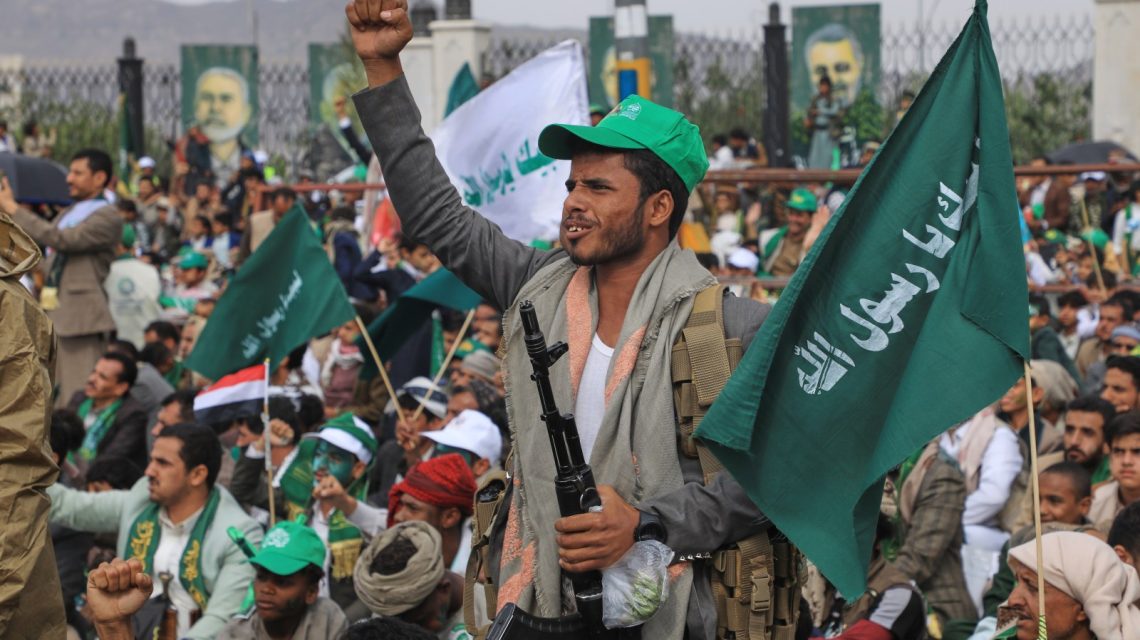
The 19th-century Prussian strategist Helmuth von Moltke the Elder is often associated with the maxim: no battle plan survives first contact with the enemy. If Iran had not previously conveyed this to President Donald Trump, the Houthis in Yemen are now ensuring he comprehends it.
Among the formidable forces shaping the Middle Eastern conflict, the Houthis stand out as a non-state movement from Yemen, one of the world’s poorest nations. Despite limited resources, they face powerful countries with enormous defense budgets and nuclear capabilities. Their actions have added complexity to an already intricate situation for the White House. This week, their rapid offensive has struck Saudi cities and targeted energy infrastructure, seizing critical territory along the Red Sea.
One War, Two Chokepoints
For six months, global attention focused on the Strait of Hormuz. Now, another strategic waterway, the Bab el-Mandeb Strait, gains significance. The Houthis captured the Red Sea port of Mokha before taking Mayun Island. This island lies within the Bab el-Mandeb Strait, a crucial link between the Red Sea and the Gulf of Aden through which approximately 12% of global trade flows.
The U.S. Maritime Administration recorded over 100 Houthi attacks on commercial vessels from November 2023 to October 2025, affecting more than 60 countries.
Seizing Mokha port and Mayun Island provides the Houthis a strategic position in what is now another vital chokepoint. U.S. Energy Information Administration data reveals that oil and petroleum-liquid flows through Hormuz dropped significantly, while those through Bab el-Mandeb increased. Saudi Arabia redirected crude to the Red Sea, escalating its importance.
This foothold gives Iran additional leverage over the United States. Iran’s Supreme National Security Council is demanding an end to attacks on its regional allies before reopening Hormuz. A Revolutionary Guard Corps spokesperson mentioned the inclusion of Yemen in any settlements with the United States.
Who You Gonna Call?
The Houthi advance heightens stakes for Saudi Arabia, already challenged by Hormuz conflicts. In August, Saudi crude production hit its lowest since 1990. The Houthis’ attacks on Saudi cities and infrastructure led to injuries and significant damage. Satellite imagery suggests noteworthy impacts on the East-West pipeline, Saudi’s alternative to using Hormuz.
Five weeks ago, Saudi Arabia, Turkey, and Pakistan formed the Mecca Joint Defense Agreement, likened to a Muslim NATO due to its mutual defense principle. Yet, when Houthi missiles struck Saudi cities, Crown Prince Mohammed bin Salman reached out to Washington for assistance. President Trump declined military action but agreed to share intelligence.
This does not imply the Mecca pact is futile. It allows for various forms of assistance, including intelligence and logistics. Riyadh must first clarify its needs before its partners, like Turkey or Pakistan, are expected to contribute.
The Houthis have demonstrated that, despite the agreement, Saudi Arabia continues to rely on its Atlantic ally, seeking U.S. support during regional crises.
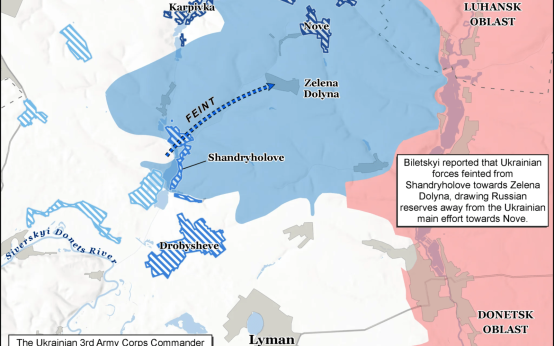 Ukraine Converts APCs to Explosive Devices in Donetsk Offensive
 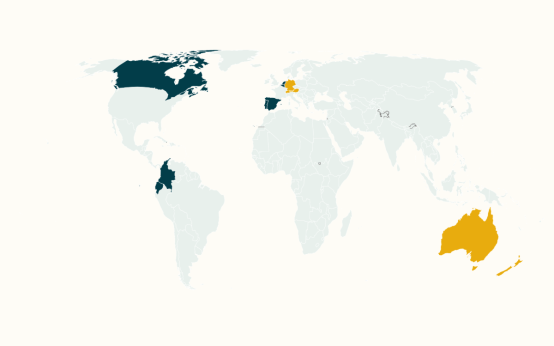 Dutch Review Board’s Euthanasia Ruling and International Debate
 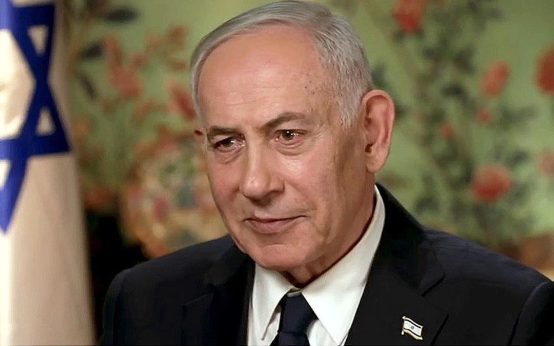 Israeli PM Commends Heroic Actions in Flight Emergency
  Rabbi and Jewish Leaders Criticize Adam Brody for ‘Genocide’ Comment
  Flydubai’s Emergency Landing Highlights Cockpit Security
  Former Israeli PM Naftali Bennett Commends Passengers and Crew for In-Flight Heroism