
President Donald Trump announced that he would halt planned attacks on Iran while talks are renewed to reduce conflict and restore cargo traffic through the Strait of Hormuz. This marks one of several instances where President Trump has both threatened and then postponed military actions against Iran. Such announcements have characterized a five-month conflict leading to increased oil and goods prices, often followed by new attacks shortly thereafter.
Key Announcements of Ceasefire and Escalation
April 7: The U.S. and Iran agreed to a two-week ceasefire, ceasing intense conflict that began on February 28 with attacks by Israel and the U.S. Trump’s announcement came just under two hours before a deadline set for Tehran to surrender or face attacks on vital infrastructure, promising severe consequences.
April 21: President Trump extended the ceasefire indefinitely, on the eve of its expiry, citing mediator requests. This temporary peace lasted until May 8, when the U.S. resumed strikes on Iranian tankers.
May 18: Following threats against Iran, Trump postponed significant military actions due to unfolding negotiations. Although optimistic about a peaceful resolution, the talks failed, leading to resumed strikes by May 27.
June 11: Amidst ongoing attacks, Trump suggested an imminent escalation but called off planned strikes following a reported breakthrough in negotiations.
June 17: Trump signed an initial agreement with Iran for a permanent end to hostilities and opened the strait, beginning a 60-day negotiation period on Iran’s nuclear future. However, Trump stated that conflict could resume if he disapproved of the terms.
July 7: Following Iranian attacks on ships, Trump, attending a NATO summit in Turkey, ordered new strikes on Iran, questioning the viability of continuing the ceasefire.
July 27: Trump paused two weeks of intense strikes targeting Iran, touting another opportunity for negotiations amid ongoing conflict over shipping routes.
August 1: Trump, initially promising harsh strikes, later announced their cancellation on social media after allies seemed close to a deal to end the conflict and reopen the strait. Trump expressed willingness to avoid military action if a satisfactory deal materialized. Iran’s defense minister responded by affirming their readiness against any threats.
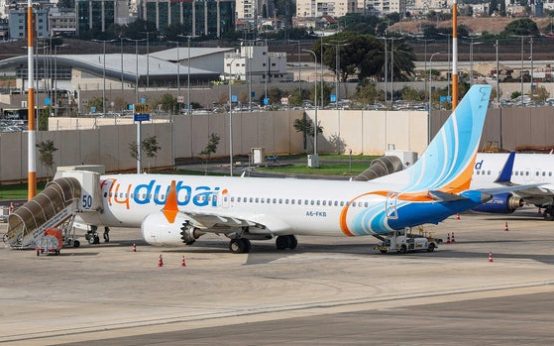 Incident on FlyDubai Flight Raises Security Concerns
  Journalist Gershkovich Discusses Wrongful Detention and Release in Russian Prisoner Swap
  Pakistan Airstrikes in Afghanistan: Civilian Casualties Reported
 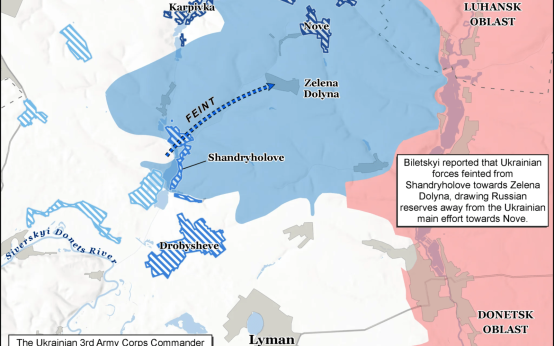 Ukraine Converts APCs to Explosive Devices in Donetsk Offensive
 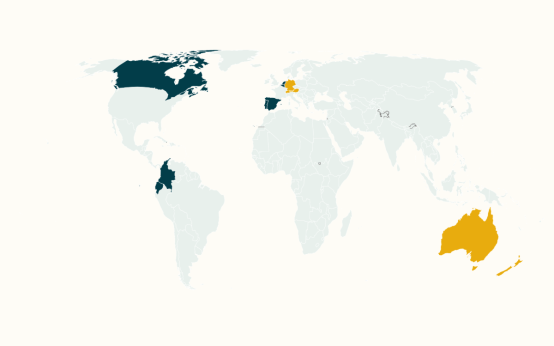 Dutch Review Board’s Euthanasia Ruling and International Debate
 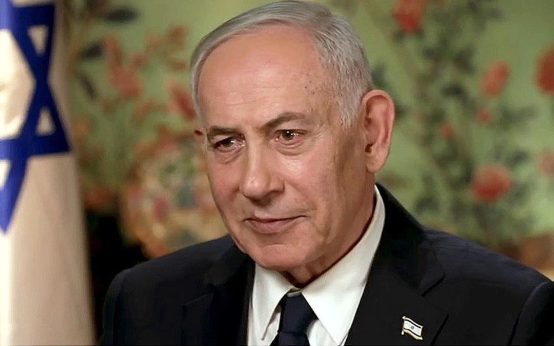 Israeli PM Commends Heroic Actions in Flight Emergency