
College sports face significant challenges. The American system of college athletics, existing for over a century, is now under pressure from nearly 150 legal challenges targeting NCAA rules. To safeguard the current college sports model, the Protect College Sports Act should be enacted by Congress.
Differences Between College and Professional Sports
Professional sports, like the NBA and NFL, consist of privately owned clubs with unionized employees. In contrast, the NCAA comprises 1,075 nonprofit colleges across three divisions. These institutions host 24 sports with more than 90 national championship competitions. NCAA athletes must meet academic standards, unlike their professional counterparts.
During the 2024-25 academic year, NCAA schools provided 554,298 participatory opportunities through approximately 20,000 teams. Division I men’s basketball and FBS football are the primary revenue-generating sports that support other college sports.
Graduation Rates and Professional Opportunities
Less than 3% of NCAA athletic departments generate more revenue than expenses. Only the Power Four conference schools achieve this. After college, fewer than 2% of NCAA athletes become professionals. However, college athletes have historically graduated at higher rates than the general student population.
Provisions of the Protect College Sports Act
The Act aims to sustain student-athlete graduation rates by limiting transfers and ensuring academic eligibility. It prevents scholarships from being revoked due to performance or injury. Moreover, it mandates financial assistance for 10 years post-eligibility. The Act establishes a consistent national law for athletes’ name, image, and likeness compensation.
It requires transparency for compensations over $600 annually and regulates endorsement contracts. The Act provides antitrust immunity for the NCAA’s enforcement of these rules. Starting July 2025, NCAA Division I athletes will receive payments from universities with caps adjusted for inflation yearly.
Future of College Sports
The Act allows universities to exceed revenue-sharing caps for retaining athletes and supporting non-revenue sports. It promotes fairness in competition and maintains the integrity of college athletics by regulating eligibility and compensation. Internal governance of athletics should align with educational goals and public interest.
To ensure stability, conflicting state laws must be addressed with the enactment of the Protect College Sports Act. This legislation will provide a unified framework for the future of college athletics.
Matthew Mitten is a professor of law and senior advisor at Marquette University Law School’s National Sports Law Institute.
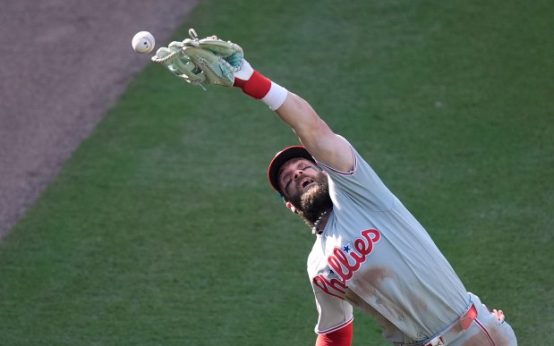 Phillies Edge Braves in 10th, Push Series to Game 3
 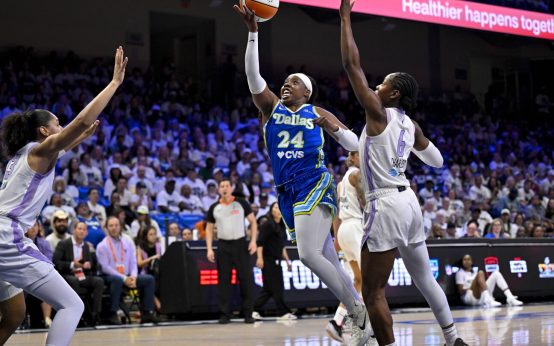 Arike Ogunbowale Sets Playoff Record as Dallas Wings Force Game 3
  Chicago White Sox Triumphs in 2026 Postseason
 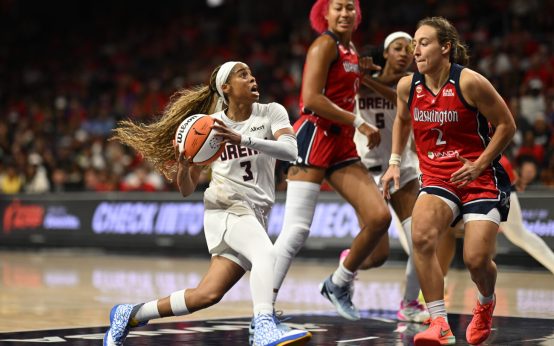 Atlanta Dream Defeats Washington Mystics to Advance in WNBA Playoffs
 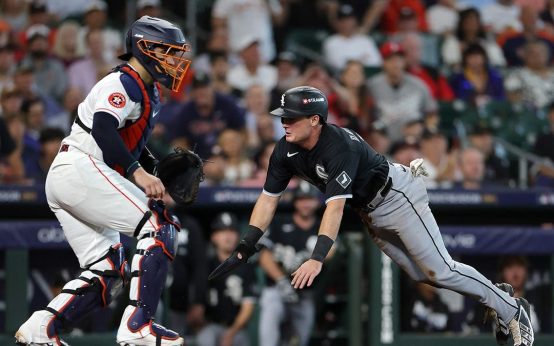 MLB Wild Card Series: Drama Unfolds
 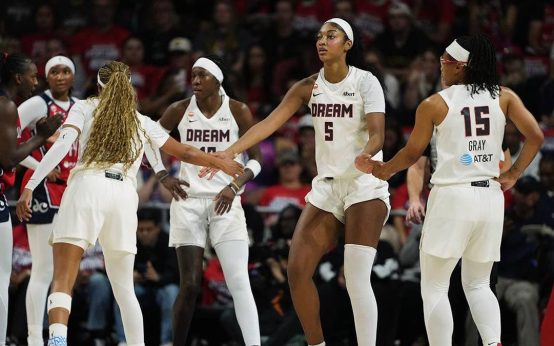 Atlanta Dream Advances to WNBA Semifinals After Defeating Washington Mystics