
On September 17, 2026, President Trump attended a dinner at the White House’s Rose Garden amid rising concerns over the United States’ foreign policy goals in the Middle East.
In March, President Trump declared that the U.S. had already “won” the war against Iran, yet he acknowledged the need to “finish the job.” However, as of September, the conflict in the region continues with increasing intensity, and diplomatic efforts have reached a standstill.
“It’s irrefutable that the U.S. failed in its main strategic goals,” remarked one expert, pointing to the ongoing instability and unresolved conflict.
The situation highlights the complexities of international relations and the challenges of achieving lasting peace. As fighting persists, the U.S. faces questions about its strategy and the broader implications for foreign policy in the volatile region.
 U.S. Military Operations in the Strait of Hormuz: Analyzing Sustainability and Impact
 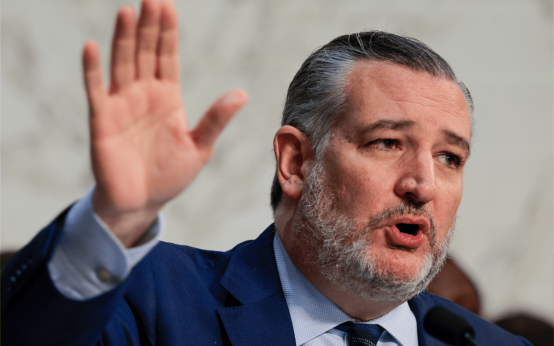 Ted Cruz Criticizes JD Vance Amid Early 2028 Presidential Speculation
 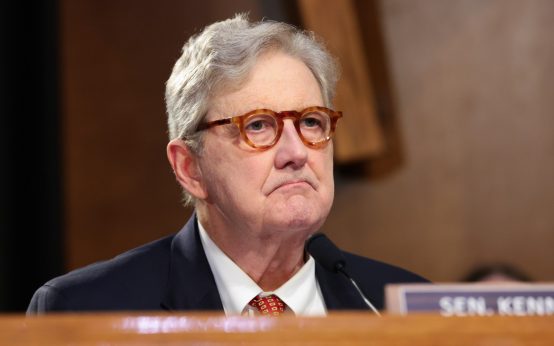 Kennedy Warns GOP on Cost of Living Concerns Before Midterms
 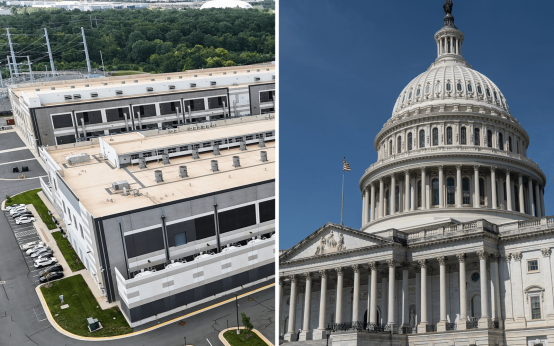 Virginia Congressional Districts Show Increasing Competitiveness
 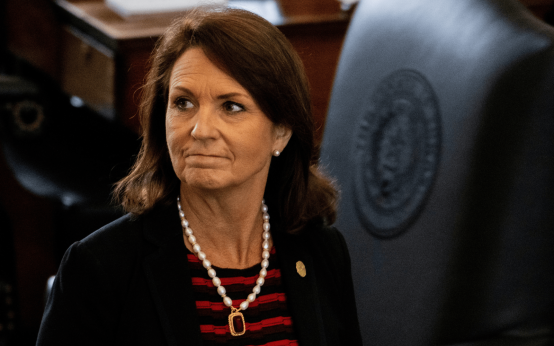 Angela Paxton Encourages Support for GOP Amid Personal and Political Turmoil
 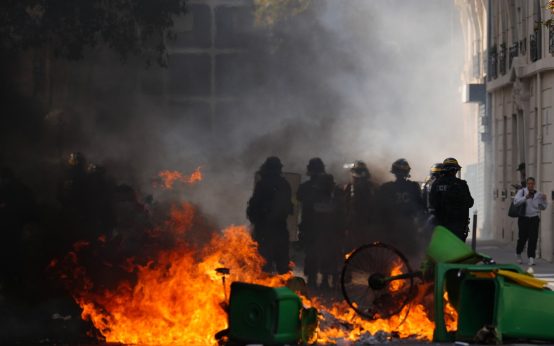 Escalating Student Protests in France: A Call for Educational Reform