
On September 17, 2026, President Trump attended a dinner at the White House’s Rose Garden amid rising concerns over the United States’ foreign policy goals in the Middle East.
In March, President Trump declared that the U.S. had already “won” the war against Iran, yet he acknowledged the need to “finish the job.” However, as of September, the conflict in the region continues with increasing intensity, and diplomatic efforts have reached a standstill.
“It’s irrefutable that the U.S. failed in its main strategic goals,” remarked one expert, pointing to the ongoing instability and unresolved conflict.
The situation highlights the complexities of international relations and the challenges of achieving lasting peace. As fighting persists, the U.S. faces questions about its strategy and the broader implications for foreign policy in the volatile region.
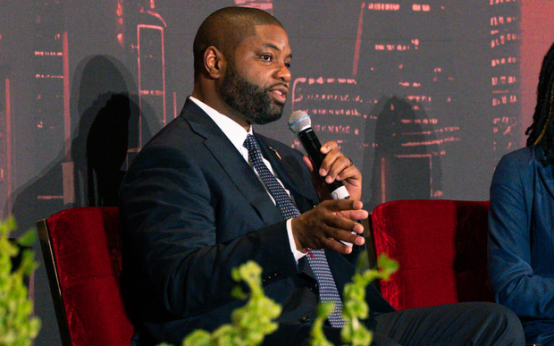 Byron Donalds Targets Black Voters in Florida Governor Race
  Heroic Passengers Prevent Catastrophe on Flight 1073
 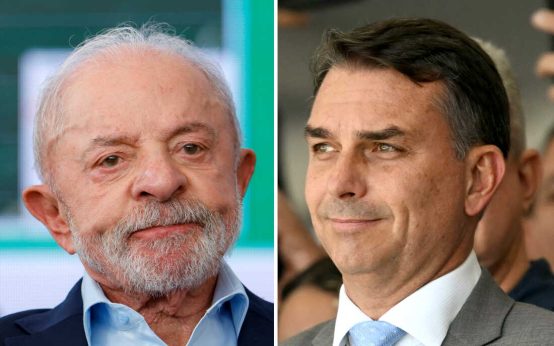 Brazil’s Presidential Race Heads to Runoff
 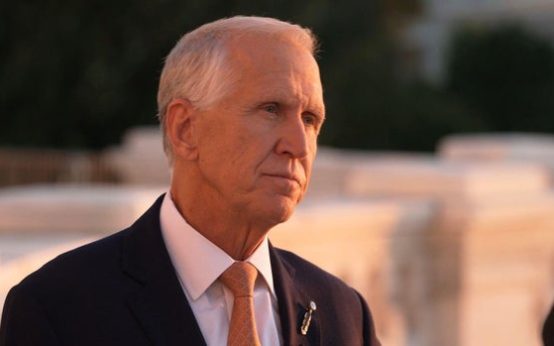 Sen. Thom Tillis Criticizes Trump’s Administration in New Book
  Controversy Surrounds Steve Hilton’s Campaign Ad Amid Gubernatorial Race
 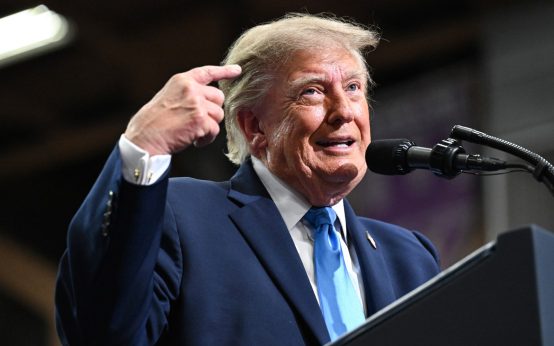 Trump Calls for Probe into Alleged ‘Paid Protesters’