
In 1964, President Lyndon B. Johnson delivered his State of the Union address, announcing an ambitious plan to combat poverty in America. This initiative, known as the ‘War on Poverty,’ aimed to address various socio-economic issues with a range of proposed programs.
Johnson’s plan advocated for a more extensive food stamps program and an increase in the minimum wage. Additionally, he sought to reform unemployment insurance to better support those in need. Education was another focal area, with proposals for increased funding to enhance educational opportunities for underserved communities.
Housing was a critical concern, as Johnson pushed for efforts to provide more housing solutions for impoverished populations. He also emphasized the need for improved infrastructure, suggesting expansions in mass transit systems, libraries, and hospital facilities. Additionally, he proposed hospital insurance for older citizens, to be funded through contributions from both workers and employers under Social Security.
Though the intentions were noble, the outcomes were varied. This highlights that having good intentions does not inherently lead to favorable results.
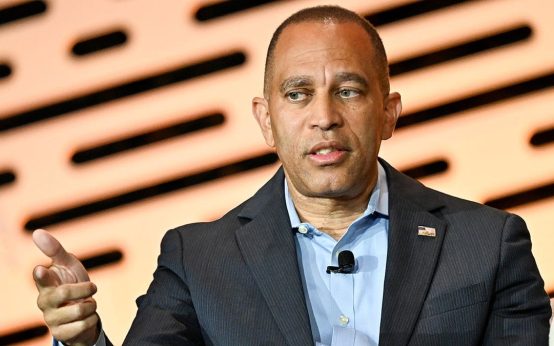 Upcoming Congressional Elections: Key Districts to Watch
  President Trump’s Pre-Midterm Interview on Key Issues
 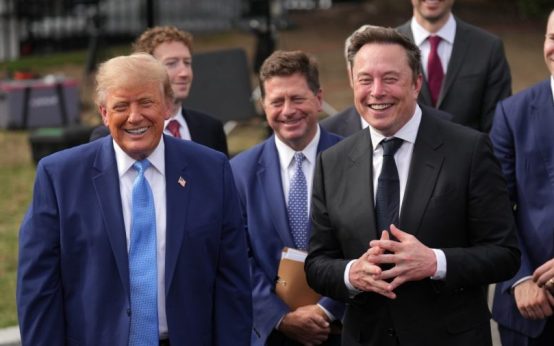 Trump’s 2024 Reelection and Evolving Voter Dynamics
  Defense Secretary Emerges as Key Player in the Trump Administration
  Hegseth’s Vision for the Military: Balancing Tradition and Innovation
 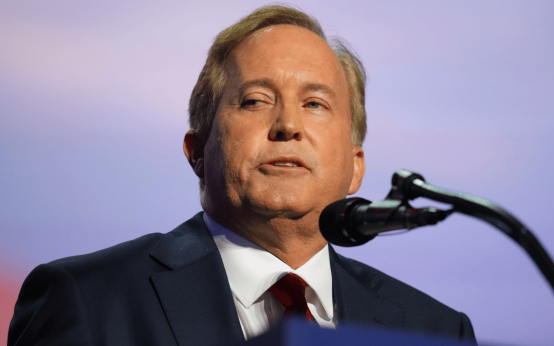 Significant Funding Boosts Ken Paxton’s Texas Senate Campaign Amid Tight Race