
Prolonged job searches affect more than just a person’s resources. They can significantly harm mental health. Despite low unemployment rates in the United States, many people face extended periods without work. According to the Bureau of Labor Statistics, over 25% of unemployed individuals are classified as ‘long-term unemployed.’ This means they have been actively seeking jobs for at least 27 weeks.
For someone searching for work, the lack of employment can deplete time, money, and energy. But the emotional toll can be even more severe. Extended periods of unemployment often lead to feelings of frustration and helplessness. This discouragement can damage self-esteem, particularly when job postings seem abundant yet remain unattainable.
Moreover, modern job-search techniques can exacerbate these feelings. ‘Ghost job’ postings, where listings exist but hiring is minimal or non-existent, contribute to the problem. AI interviewers and the lack of in-person communication can also impede job seekers from building meaningful connections. These factors may leave individuals feeling isolated and undervalued.
 The Daily Routine of Klook’s CEO Focused on Fitness and Efficiency
 The Jensen Huang Controversy: Silicon Valley’s Divided Opinion
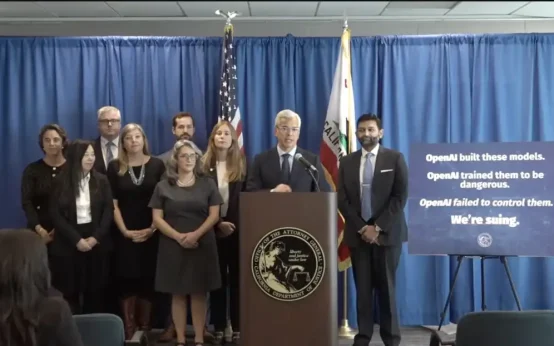 California Lawsuit Against OpenAI: Key Details and Implications
 Updates on Key International and Domestic Events
 E.l.f. Cosmetics Breaks Makeup World Record at TwitchCon
 Understanding Credit Freeze, Fraud Alert, and Identity Monitoring