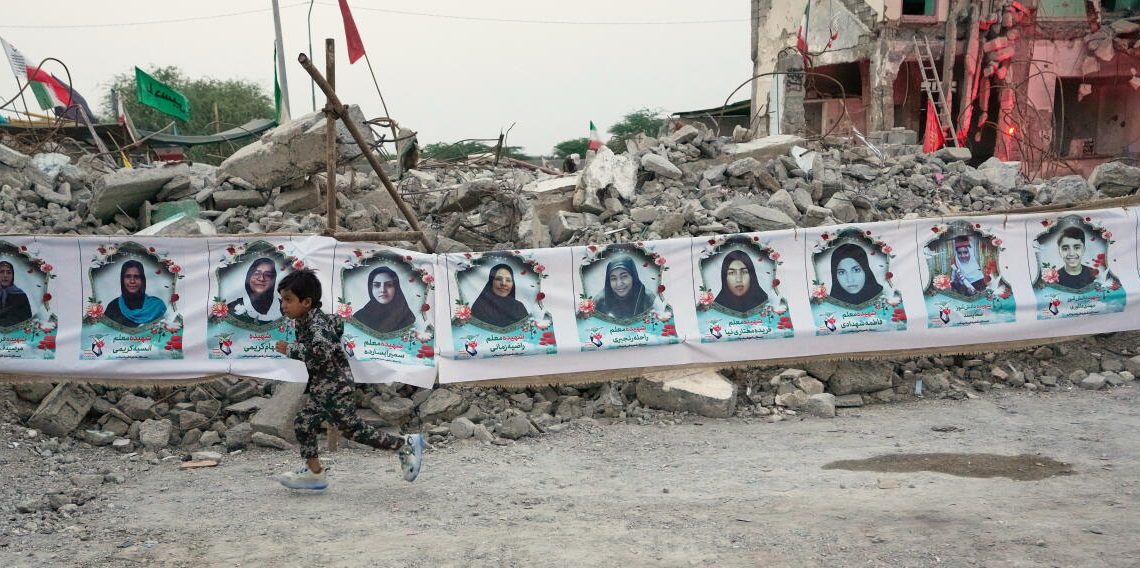
On February 28, a missile attack devastatingly hit an Iranian school, with U.S. personnel quickly recognizing American responsibility. The Pentagon’s internal investigation uncovers a series of avoidable errors leading to this tragedy. Two Tomahawk missiles struck Shajarah Tayyebeh Elementary School in Minab, killing over 150 individuals, including at least 123 children, marking it as the deadliest military targeting error involving children this century.
Military Targeting Errors and Child Casualties
The UN has deemed the strike a potential war crime. Despite the evidence, the U.S. hasn’t publicly taken responsibility, with President Trump casting blame on Tehran, as recently stated on July 14. However, Pentagon officials acknowledge internal investigation findings pointing to a cascade of missed opportunities.
The Trump administration’s directive for extensive strikes within a compressed timeline contributed to the tragedy. This urgency, reliance on flawed intelligence, reductions in civilian protection staffing, and overconfidence in AI technology created conditions primed for error.
Investigation Details and Constraints
The full Pentagon report remains undisclosed despite being largely complete. Admiral Brad Cooper has pledged transparency in congressional briefings, though details remain scant. Officials linked the incident to outdated intelligence and an overreliance on the AI-enabled Maven Smart System.
Misclassifications and lack of updated intelligence about Minab’s military status played critical roles. Disturbingly, the site had demonstrated changes visible in satellite imagery long before the attack. Yet, some personnel leaned too heavily on Maven technology, which consolidates data inputs but failed to flag stale information.
AI and Technology Reliance
Post-strike adaptations have aimed at improving Maven’s intelligence review capabilities to catch inconsistencies. Still, responsibilities for data quality remain with the Pentagon. Palantir, the company behind Maven, asserts that primary liabilities exist with the intelligence that Maven processes.
The ‘Kill Chain’ Process
The Minab facility underwent a multi-stage ‘kill chain’ assessment protocol before being targeted, a standard in complex military operations. Despite the typical process involving multiple checks, the urgency compressed timeline and staffing cuts led to loopholes in civilian protection reviews.
Prioritizing speed, Defense Secretary Pete Hegseth’s dismantling of the Pentagon’s civilian harm mitigation units exposed vulnerabilities. His revisionist approach favors rapid operational execution over civilian safety protocols.
Impact on U.S. Military Strategy
The Minab attack underscores flaws in targeting databases, the implications of which extend beyond Minab. With Iran’s critical location and role, the affected school in Minab highlighted missed intelligence updates and assumptions about existing military facilities.
The public and political fallout complicates U.S.-Iran relations, with additional international scrutiny on U.S. operational transparency. Meanwhile, the unsettling statistic of 1,701 civilian casualties within 39 days of conflict highlights the dire humanitarian impact.
Political Responses and Ongoing Demands for Transparency
In response, Democratic lawmakers, led by Sen. Jack Reed and Sen. Richard Blumenthal, demand comprehensive disclosure and probing into Pentagon protocols. Concerns of withheld information continue to stir bipartisan calls for accountability and deeper transparency on defense operations.
 Bolivia Faces Security Test Amid Unrest
  Incident on FlyDubai Flight Raises Security Concerns
  Journalist Gershkovich Discusses Wrongful Detention and Release in Russian Prisoner Swap
 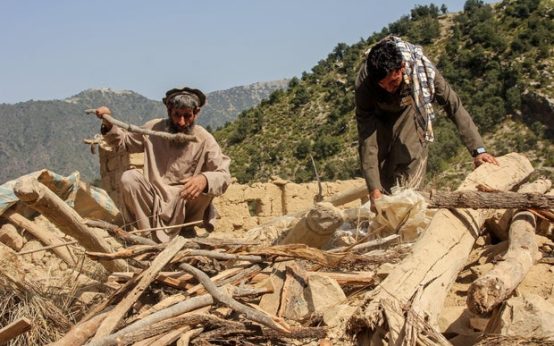 Pakistan Airstrikes in Afghanistan: Civilian Casualties Reported
 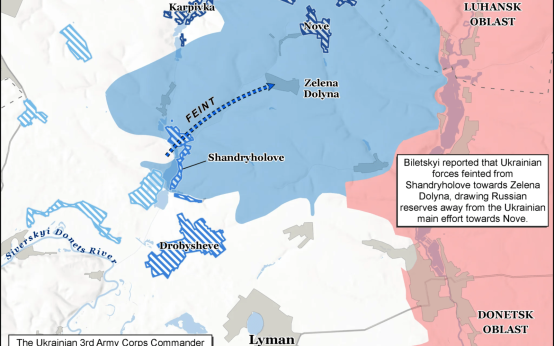 Ukraine Converts APCs to Explosive Devices in Donetsk Offensive
 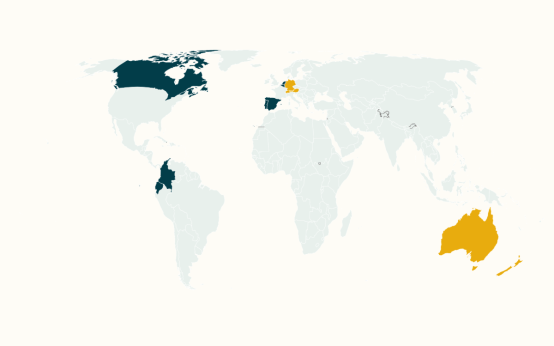 Dutch Review Board’s Euthanasia Ruling and International Debate