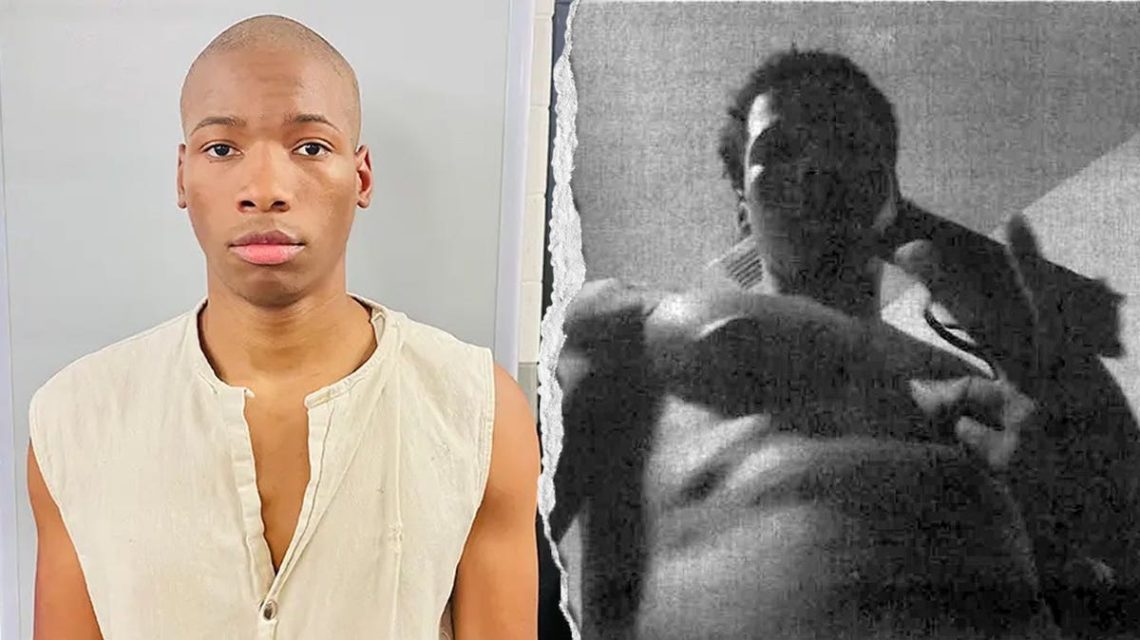
A recent 75-page court filing related to Texas killer Karmelo Anthony provides insights into alleged threats, gun photos, and violent messages. Yet, according to a Texas defense attorney, jurors might never see this document during trial.
The Role of Rule 404(b)
This filing, submitted before the trial under Texas Rule of Evidence 404(b), outlined potential evidence prosecutors wanted to use. This included claims of Anthony stalking his girlfriend shortly before he stabbed 17-year-old Austin Metcalf at a Frisco high school event in April 2025.
Prosecutors said the filing also mentions violent texts and gun imagery, alongside claims of Anthony’s involvement in robberies and narcotics.
Clarifying Misconceptions
Tiffany Burks, a partner at Varghese Summersett, explains that filing a Rule 404(b) does not guarantee jury exposure to the evidence. Instead, it informs the defense about potential evidence so they can adequately prepare.
This transparency helps the defense investigate claims, preparing to respond during trial.
Understanding 404(b) Utilization
According to Burks, to use alleged prior bad acts in trial, prosecutors must notify the defense in advance. This helps prevent courtroom surprises. The filing preserves prosecutors’ rights to present evidence later if deemed relevant.
The document’s length reflects the prosecution’s comprehensive approach to preserving evidence options, even if not all would be introduced in court.
Karmelo Anthony’s Defense Argument
Anthony claimed self-defense in the Metcalf stabbing. However, the jury dismissed this, convicting him and sentencing him to 35 years.
Prosecutors had filed the 404(b) notice a month before trial, positioning themselves to introduce past misconduct evidence if needed.
Key to the process of whether evidence reaches jurors is judicial approval. Judges determine admissibility under evidence rules, not the prosecutors or defense alone.
Burks emphasizes that while many think prior-act notices promise courtroom inclusion, only what aligns with rules and judicial decisions enters the trial.