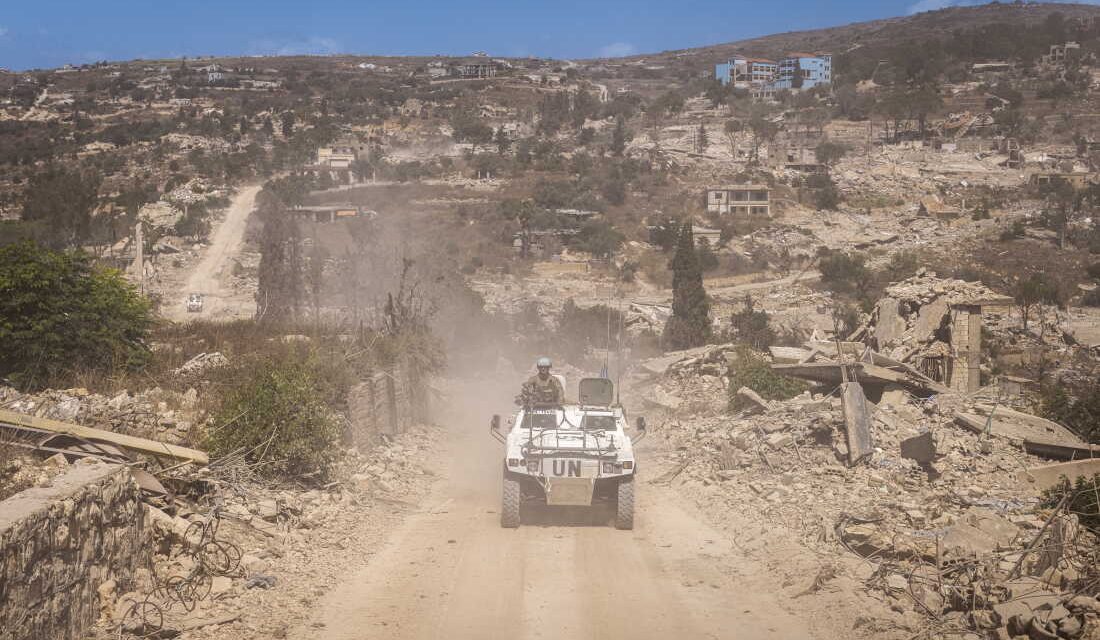
French UNIFIL peacekeepers are patrolling beyond the “yellow line,” a territory marking the boundary of Israeli forces’ occupation. They move through the war-ravaged towns of Houla, Kfar Kila, and Odaisseh. Israel has created a restricted area beyond that line following this year’s U.S.-brokered ceasefire.
The United Nations Interim Force in Lebanon (UNIFIL) operates in this region since 1978, ensuring Israeli troop withdrawal and supervising the ceasefire between Israel and Hezbollah. Established in 1982, Hezbollah aims to counter Israel’s invasion. Despite this, a lasting ceasefire remains elusive. The current UNIFIL mandate, expiring at year’s end due to opposition from the U.S. and Israel, won’t be renewed.
A June agreement between Israel and Lebanon briefly paused a conflict that began in March. Hezbollah’s rocket attacks on Israel escalated the situation. Lebanon reports over 4,300 fatalities and the displacement of 1.2 million people. Israel acknowledges the death of 39 soldiers, one military contractor, two civilians, and UNIFIL records the loss of seven peacekeepers.
The “blue line” demarcation, drawn by the U.N. in 2000, marked Israel’s withdrawal after an 18-year occupation. Though meant to be a boundary, it doesn’t fully reflect today’s realities as UNIFIL continues to patrol areas impacted by Israel’s establishment of a buffer zone.
Lives Affected and Boundaries Redefined
Lebanese towns near the buffer zone suffer from restricted access, invoking memories of past occupations. Civilian access remains denied over about 6% of Lebanon’s territory. In Kfar Kila, symbols like the Fatima Gate tell stories of border changes, having been sealed when Israel ended its occupation in 2000.
Throughout Houla, roads once traveled are now damaged; homes that held families lay in ruins. Houla also bears the scars of past violence dating back to 1948. Current UNIFIL peacekeeping patrols navigate this changed terrain amidst pressures from international powers to conclude their mission.
Amidst Conflict, Humanitarian Efforts
The ongoing conflict affects daily life, isolating communities and preventing access to necessities. Farmers, a significant part of the southern economy, face severe restrictions reaching their fields. This impacts their livelihoods critically.
Through initiatives like CIMIC (Civil-Military Cooperation), UNIFIL offers crucial medical services, operating clinics in areas under fire. Residents of villages like Ain al-Arab rely on visiting medical help due to a lack of local resources.
The altered “yellow line” reshapes southern Lebanon’s landscape. Areas identified as “pilot zones” see Israeli forces and Hezbollah withdrawing, allowing the Lebanese Armed Forces to exert control. However, damage from past conflicts persists, changing how communities interact with their surroundings.
Hope amidst Destruction
In Zawtar al-Gharbieh, residents displaced by conflict begin to return. Yet, they find rampant destruction and an absence of vital services like electricity and water. For many, proximity to ongoing clashes makes resettling difficult. Mahasen Fakih’s experience returning to her destroyed home underlines broader challenges facing displaced populations.
The blue line may still exist on maps, but the war’s tangible effects have redrawn the ground reality in southern Lebanon. As airstrikes continue and the lines of control shift, communities and UNIFIL navigate an unpredictable and often hostile environment.
 Rabbi and Jewish Leaders Criticize Adam Brody for ‘Genocide’ Comment
  Flydubai’s Emergency Landing Highlights Cockpit Security
 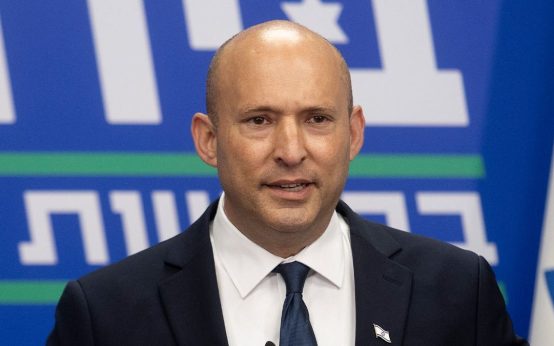 Former Israeli PM Naftali Bennett Commends Passengers and Crew for In-Flight Heroism
 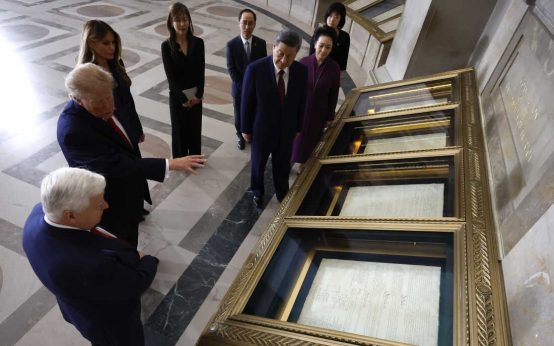 Diplomatic Complexities Unfold at U.S. National Archives Visit
 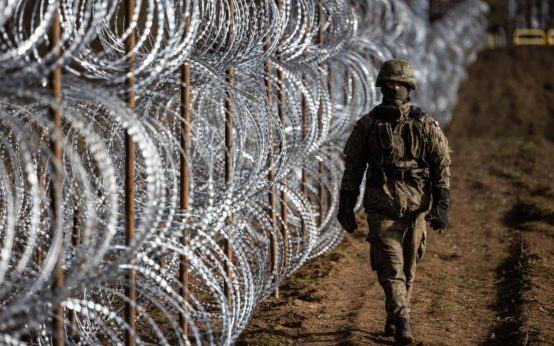 Russia’s Nuclear Threats Amid Tensions with the UK
  Future Cities: Ambitious Projects Aiming for Innovation and Sustainability