Volodymyr Zelensky recently announced that Donald Trump agreed to allow Ukraine to manufacture U.S.-designed Patriot air defense systems locally. The White House has not confirmed this yet, but even if the license is issued imminently, Ukraine might face greater challenges by the time it can produce its homemade Patriots. Russia’s defense industry is increasing production of ballistic missiles and jet-powered drones, which Ukraine’s existing air defenses struggle to counter effectively.
Russian military activity is intensifying. By Ukrainian estimates, Russia launched 587 ballistic missiles in the first seven months of this year compared to 511 in all of the previous year. On September 27, Russia deployed 76 jet-powered drones from a total batch of 170; the next day, 79 out of 165 drones fit this description. Zelensky revealed that the success rate for intercepting these jet-powered drones hovers around 55 percent, suggesting approximately 70 drones evaded interception over just two nights.
Ukrainian forces recognize the urgency of improving air defense strategies beyond relying on Trump’s agreement. Over the weekend, Ukraine’s General Staff outlined a priority to target missile and drone launch facilities before they become airborne threats.
Patriots and Promises
The American and Ukrainian presidents convened at the United Nations General Assembly sidelines on September 22. Their discussions likely covered many topics, of which air defense was paramount. Zelensky indicated plans to produce Patriot interceptors in Ukraine. A few days later, Zelensky said Trump personally assured him that Kyiv’s defense sector would receive licenses to manufacture Patriots domestically.
Obtaining legal confirmation for the agreement is just one hurdle. Zelensky mentioned Ukraine’s growing capability to intercept cruise missiles and standard drones. When it comes to ballistic missiles, Patriots are, “for now, the only effective option.” However, Patriots are complex and costly systems requiring numerous components before a missile can be launched.
The U.S. Army’s 2024 deal for PAC-3 MSE interceptors totals $4.5 billion, with even budget-friendly variants costing over $1 million each. Assuming Ukraine receives licenses swiftly and finds a way to cut costs for manufacturing, time remains a critical constraint. Zelensky estimates domestic Patriot production could take up to 18 months. Another initiative, the FREYJA program, won’t produce prototypes for months.
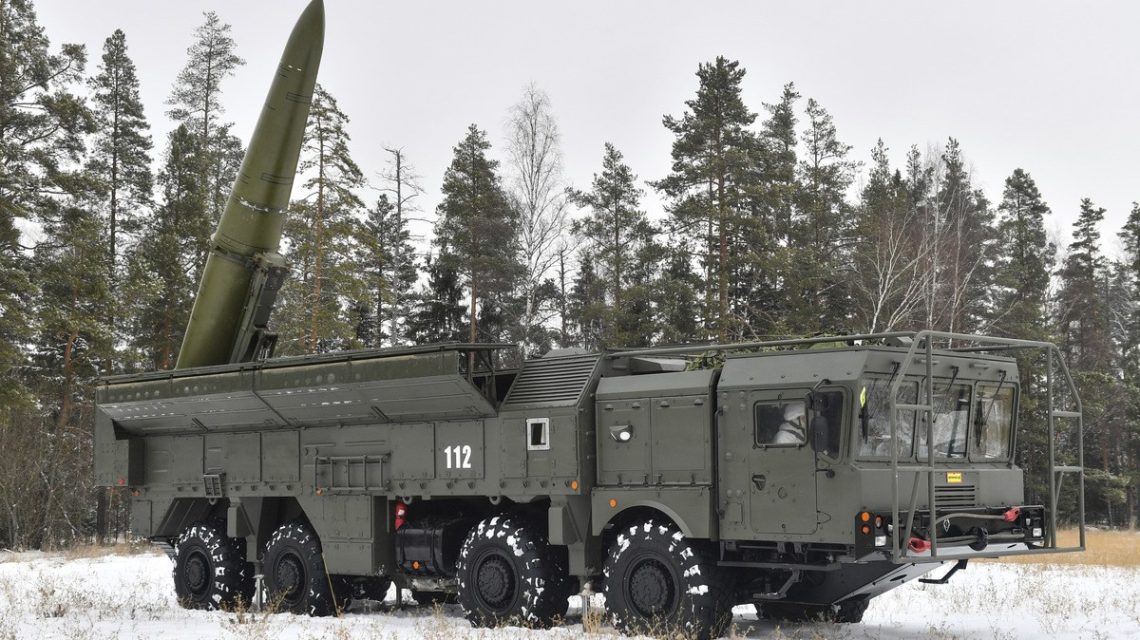
Ukraine believes Russia is making 55 to 60 Iskander-M ballistic missiles monthly, plus about 50 RM-48Us missiles. This means Moscow might effectively fire up to 100 ballistic missiles monthly without depleting stocks.
Putin and the Jets
Acquiring more Patriot systems could help Ukraine defend against Russian ballistic missiles, yet it’s impractical to use such costly interceptors on the daily swarm of drones. Russia is aggressively enhancing and deploying jet-powered drones.
In June, Russia launched about 350 drones from across the border. By July, this increased to 1,500. August saw 2,850. Zelensky reported over 2,730 drones were launched by Russia in September.
Russia’s defense sector not only increases production numbers but also improves drone capabilities. The initial Geran-3 drone was a mix of components, combining a jet engine with a propeller-driven airframe. Now, Russia is shifting to purpose-built Geran-4 and -5 models.
The Geran-4 flies at speeds of up to 300 mph, while the larger Geran-5 can reach 370 mph, carrying a 90 kg warhead. Enhanced electro-optical sensors and electronic warfare capabilities make them more precise, lethal, and challenging to intercept. Ukraine must improve its interception rates, as falling below 50 percent interception is untenable.
Ground-Based Countermeasures
Ukraine’s research and development teams are rapidly creating cheaper, faster interceptors to combat Russian threats. Four interceptor designs for jet-powered drones have been successfully tested and are progressing to production.
Focusing on prevention, Ukraine’s forces have also begun targeting missile and drone production and launch sites in occupied and Russian territory.
On September 17, Ukraine attacked Russian S-400 launchers, which also serve in air-defense roles. Soon after, the General Staff reported hits on a UAV production site near Sievierodonetsk and a missile depot in Oryol, Russia.
September 25 saw strikes on three Russian missile production sites, including propellant production facilities for Iskander missiles. Additional attacks occurred on September 26 and 27 against drone storage and launch facilities in occupied Donetsk.
These strikes mark a newfound emphasis on targeting launch and production facilities as vital military objectives. While engineers develop interceptor solutions, Ukrainian forces extend air-defense efforts to disrupt Russian missile and drone deployment from the ground.
 Dutch Review Board’s Euthanasia Ruling and International Debate
  Israeli PM Commends Heroic Actions in Flight Emergency
  Rabbi and Jewish Leaders Criticize Adam Brody for ‘Genocide’ Comment
  Flydubai’s Emergency Landing Highlights Cockpit Security
  Former Israeli PM Naftali Bennett Commends Passengers and Crew for In-Flight Heroism
  Diplomatic Complexities Unfold at U.S. National Archives Visit