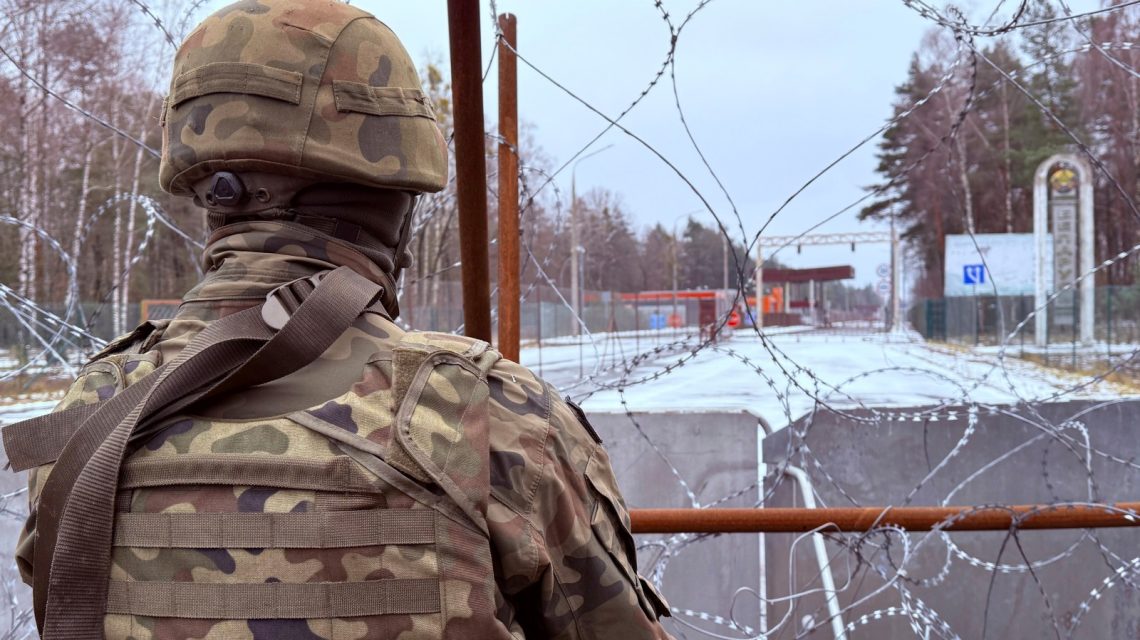
Poland’s Preparations for a “Pre-War Period”
Polish lawmakers are working on legislation focusing on a “pre-war period,” as reported by domestic media. This development comes in response to NATO officials’ concerns about a possible Russian attack on a member nation.
The Polish defense ministry has drafted a law aimed at strengthening Poland’s defense capabilities and fortifying the links between its military and internal security services, as mentioned by Rzeczpospolita newspaper. An unnamed source, reportedly close to the president, indicated that this legislation is part of preparations for a pre-war period. The Polish defense ministry has not yet commented on the matter.
Military Enhancement Plans
In 2022, Poland initiated major changes within its military structure, including increasing army size, acquiring new weapons—often from the U.S.—and simplifying military recruitment.
By 2039, Poland aims to expand its army to 300,000 active-duty soldiers, according to RMF24. This marks a substantial increase from 2015, supported by 200,000 reservists.
Support for Ukraine
Poland remains a strong supporter of Ukraine since Russia’s full-scale invasion over four years ago. Notably, Poland leads NATO in military spending as a percentage of GDP, planning to allocate over 4.81% of its GDP to defense this year.
NATO and Hybrid Warfare Concerns
Recent warnings from NATO officials highlight the risk of Russia escalating its “hybrid warfare” activities against alliance members. Hybrid warfare typically includes non-traditional combat actions like cyberattacks and information campaigns.
European capitals have reacted to multiple incidents linked to hybrid warfare, with Russia often implicated. Despite repeated accusations, Russia’s embassy in London denies these claims, attributing issues to technical failures or criminal acts.
Regional Incidents and Reactions
Several incidents have further strained relations. A fire at a Starlink satellite site was labeled as sabotage by Poland, with suspected Russian links. Additionally, a Russian drone targeted a passenger train between Kyiv and Warsaw, near the Polish border.
In mid-September, a Russian military helicopter breached Polish airspace from Russia’s Kaliningrad exclave. These incursions have unsettled NATO members bordering Russia or near Ukrainian territories.
Polish Prime Minister Donald Tusk warned about the “real risk” of further drone and missile incursions into NATO airspace. Russia tends to claim such events are “accidental.” Deputy Prime Minister Władysław Kosiniak-Kamysz stated that Warsaw would bolster helicopter and fighter jet operations due to these provocations.
Cyberattacks and Nuclear Threats
Denmark’s military and intelligence services noted an increase in Russian cyberattacks and sabotage. They described Russia as “more willing to take risks.” The Danish Defence Intelligence Service expressed concerns about Russia enhancing its hybrid warfare pressure on NATO.
Russian President Vladimir Putin threatened to use nuclear weapons to defend Kaliningrad against potential attacks, stirring further tensions. NATO dismissed such “irresponsible nuclear rhetoric,” asserting that the alliance does not pose a threat to Russia, even during military exercises in the Baltic Sea.
Kaliningrad, located between Poland and Lithuania, hosts a sizable Russian naval fleet and missile launchers but is surrounded by NATO states. A hypothetical scenario of a Russian attack on the UK, as presented by Sky News, has brought attention to the strategic importance of Kaliningrad.
The Danish Defence Intelligence Service report considers the likelihood of a “limited military attack” by Russia as “low but growing,” particularly on NATO’s eastern edge.
 U.S. Monitors Russian Plague Scare
  Current Developments in the Iran Conflict and the Impact on Oil Markets
  Defeat Threatens Sánchez and His Leadership
  Tensions Surround Prince William and Prince Harry Amid Diana Anniversary Projects
  Realtor Arrested for Alleged Work as Unregistered Chinese Agent
 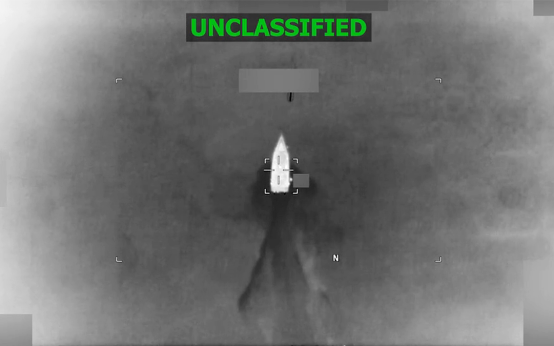 U.S. Military Strikes Vessel in Caribbean, Alleging Drug Trafficking