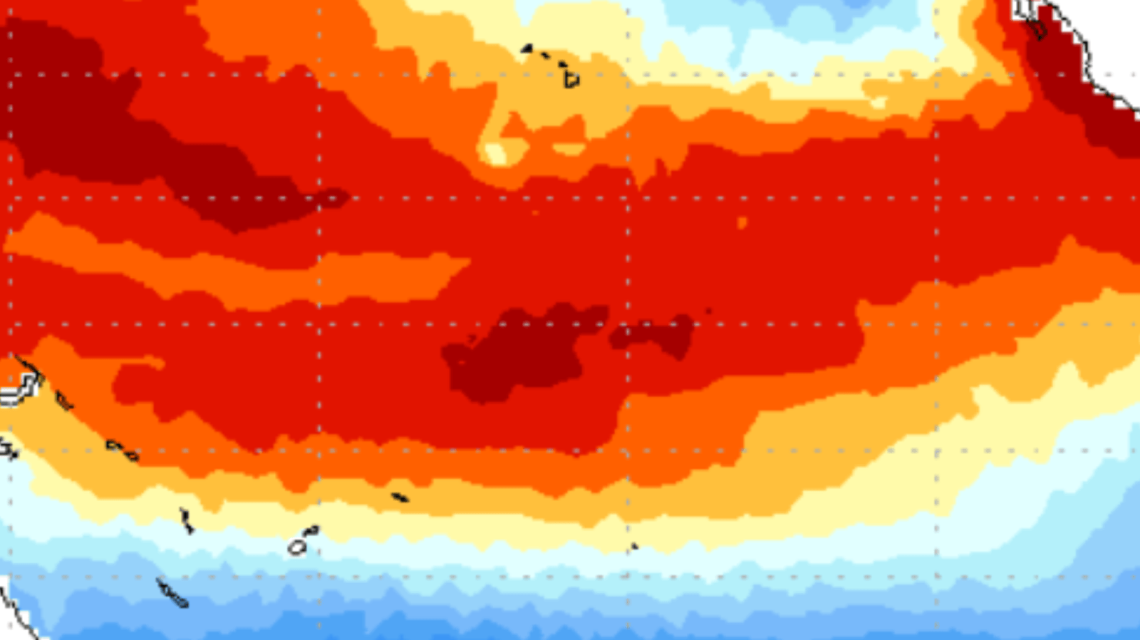
Rising Sea Surface Temperatures in the Pacific
Last month, temperatures in a crucial area of the Pacific Ocean reached a record high. The ongoing El Niño phenomenon continues to intensify, showing potential to become the strongest ever recorded. The European Union’s Copernicus Climate Change Service indicated that sea surface temperatures in this region hit 29.70 degrees Celsius. This is an unprecedented peak for El Niño, surpassing previous notable events in 1982-83, 1997-98, and 2015-16.
Carlo Buontempo, director of Copernicus, expressed the uniqueness of this year’s El Niño event. He stated, “This year’s El Niño…is ‘very exceptional,'” though it’s premature to determine if it’s the strongest on record. Regarding global temperatures, Buontempo suggested a potential trend, leading to record-breaking years in 2026 and 2027.
Polymarket, a betting odds platform, currently estimates an 80 percent chance that the 2026-27 El Niño will be the most powerful ever observed. Weather experts globally have been predicting this year’s El Niño to reach unprecedented strength. Remarkably, these temperature records have surfaced before the event’s anticipated peak.
Understanding El Niño
El Niño represents a naturally occurring climate pattern. It is characterized by warmer Pacific waters, impacting global temperatures and rainfall. In the United States, typical consequences include stormier weather in southern regions, drier conditions in the north, and shifts in hurricane activities.
The possibility of seeing the strongest El Niño since 1950 has been discussed by federal forecasters. The Climate Prediction Center of the National Weather Service alerted last week about the “magnitude” of this event, which heightens the likelihood of intense impacts.
Current Pacific Temperature Records
The temperatures in the 3.4 region of the Pacific were noted to be 2.99 degrees Celsius above the September average for the years 1991–2020, according to Copernicus’s bulletin. The prior record was during December 1997, when temperatures were 2.81 degrees Celsius above normal.
The World Meteorological Organization (WMO) predicts the peak of this year’s El Niño to occur in December, which could lead to further heating. Even post-peak, there is an 83 percent likelihood of experiencing a strong-to-very strong event between January and March 2027.
Significance of Warm Ocean Temperatures
El Niño releases stored heat into the atmosphere, spiraling global temperatures upward. “El Niño doesn’t add new heat to the planet. It releases heat the ocean has been storing beneath the surface,” explained Celeste Saulo at the Global Heat Forum in Bangkok. Saulo further elaborated that the ocean currently is at historically warm levels, thus providing ample heat to release.
The WMO acknowledges the rapid warming in the Pacific’s 3.4 region this year, climbing from 1.6 degrees Celsius above normal in June to 2.5 degrees above normal by August. This evolving El Niño is poised to bring above-average temperatures globally while modifying rainfall patterns, which heightens the risk of drought and floods across various regions.
 Energy Ceasefire Announced by Trump Amid Russia-Ukraine Conflict
  Loggerhead Sea Turtle Nesting Reaches Record High in Georgia
  Southern California Faces Coastal Erosion Challenges
 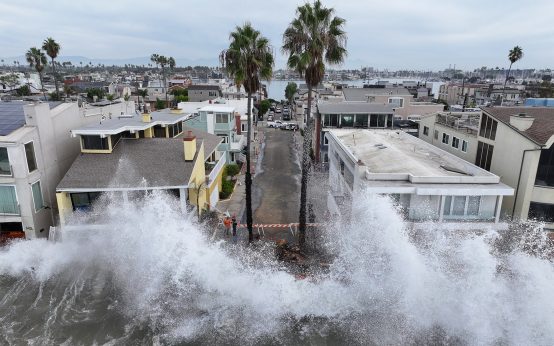 Danger of Saltwater Damage to Electric Vehicles in Southern California
 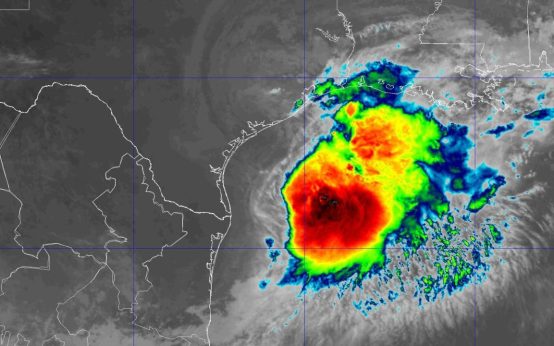 Atlantic Hurricane Season 2026: Summary and Storm Updates
  Hurricane Isaias and Tropical Storm Rachel Cause Widespread Damage