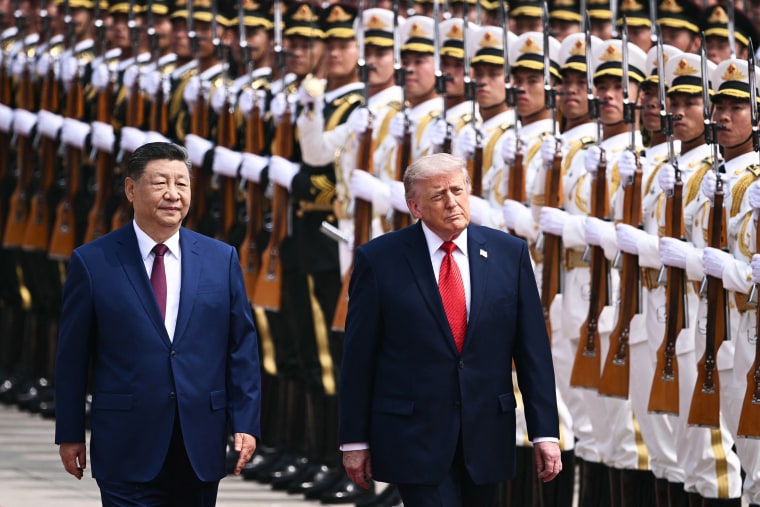
Summit on Iran War and the Strait of Hormuz Blockade
On May 14, 2026, President Donald Trump engaged in discussions with Chinese President Xi Jinping regarding the ongoing war with Iran and the blockade of the Strait of Hormuz. During an interview with NBC News, Secretary of State Marco Rubio stated that the United States did not request China’s assistance concerning Iran.
“The Chinese side said they are not in favor of militarizing the Straits of Hormuz, and they’re not in favor of a tolling system,” Rubio conveyed after lengthy talks between Trump, Xi, and their delegations in Beijing.
In a visit marked by Chinese sanctions, Rubio, the U.S. Secretary of State, who traveled to Beijing, advanced discussions on several pressing issues, including Taiwan and the case of Jimmy Lai, a prominent pro-democracy figure in Hong Kong.
Iran Ceasefire and Global Oil Prices
Trump anticipated China’s help to mitigate tensions related to the U.S.-Israeli war with Iran and the disruption in the Strait of Hormuz. Previous negotiations saw China playing a role in bringing Iran to the table for ceasefire discussions. Though Rubio noted the global impact on oil prices, he pointed out other nations were facing higher rates than the U.S.
“We are not immune to global oil prices…but other countries are paying higher prices,” Rubio remarked, without specifically naming China.
No Requests for Chinese Assistance
Regarding relations with China, Rubio clarified that President Trump did not solicit any help from Xi Jinping.
“We’re not asking for China’s help. We don’t need their help,” stressed Rubio. His sanctions, linked to his criticisms of China’s human rights record in 2020, did not hinder his trip.
Rubio also mentioned a shared stance on preventing Iran from developing nuclear weapons, upon which Trump and Xi found agreement.
The Taiwan Issue
Tensions over Taiwan constituted another major discussion point at the summit. Xi Jinping warned Trump of potential conflicts should the matter be mishandled. Despite having no formal relations, the U.S. supports Taiwan’s defense with arms, maintaining ‘strategic ambiguity’ about military intervention.
“Our policies on that have not changed,” affirmed Rubio, referencing the continuity across various U.S. administrations.
Concerns about Trump’s transactional perspective on Taiwan, especially regarding defense spending and the semiconductor industry, raised alarm among Taiwan supporters about possible concessions to China.
Jimmy Lai’s Case
The summit also addressed the imprisonment of Jimmy Lai in Hong Kong. Considered a symbolic case amid Beijing’s crackdown on dissent, Trump broached the subject with Xi.
“The president always raises that case and a couple others,” Rubio disclosed, hinting at potential positive outcomes.
Although Rubio did not confirm Lai’s potential relocation to the U.S., he expressed openness to arrangements favoring Lai’s freedom.
 The Threat of Melting Glaciers: A Call to Action
 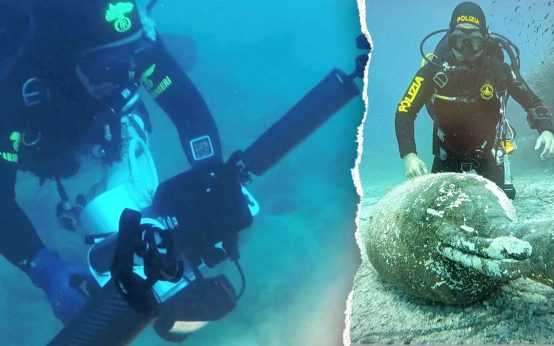 Police Discover Ancient Roman Artifacts Off Sardinian Coast
 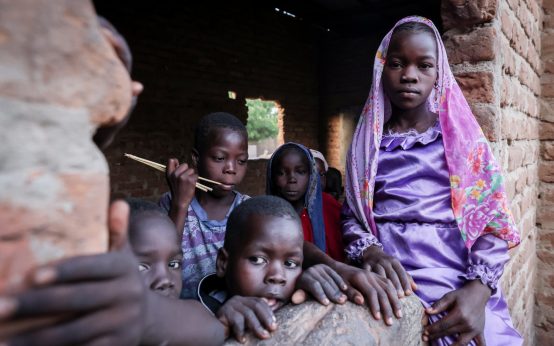 Urgent Need for Action in East Africa’s Food Crisis
  Suspected Plague Death in Siberia Sparks Health Measures
 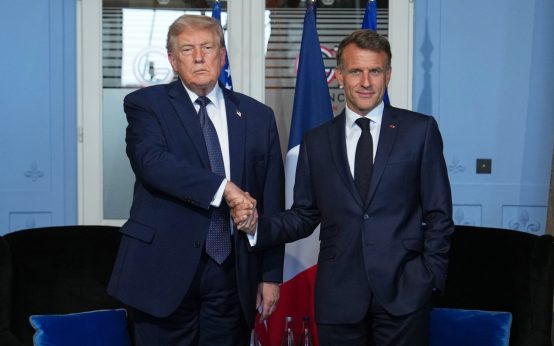 G7 Nations Agree to Release 100 Million Barrels of Oil Amid Fuel Price Surge
  Co-Pilot Attempts Hijack on Flight to Tel Aviv