ALTADENA, Calif. — A year and four months after the Eaton Fire devastated Altadena, residents are taking extraordinary steps to manage toxic contamination in their community. Geochemists require full-body protective gear to enter homes, and families like that of a local mother have turned to chelation therapy for their children after discovering lead contamination. One resident, a cinematographer, invested substantially in testing and remediation efforts for his property where government programs failed to clean up.
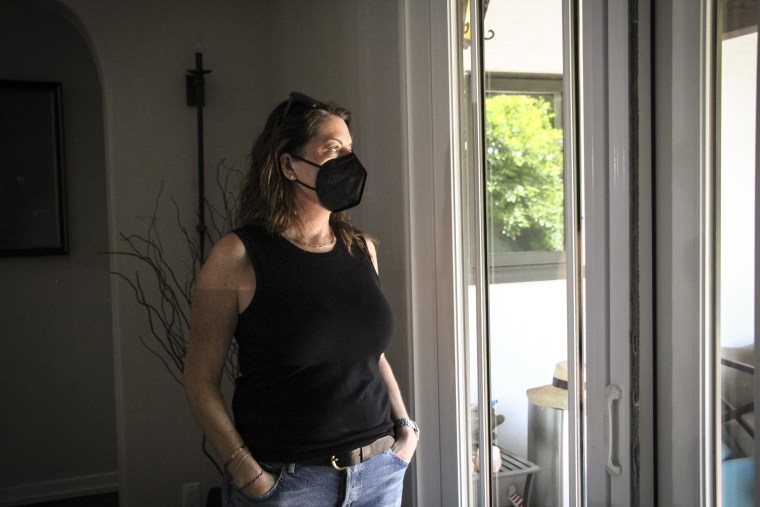
The fire’s unprecedented urban nature, fueled by homes and vehicles, released hazardous heavy metals into the environment. Despite official cleanup efforts, tests revealed persistent high levels of lead, putting children at risk. Jennifer Rochlin, a ceramic artist and single mother, found lead throughout her home using a lead test kit she purchased online for $75. Her insurance company only approved testing after she personally detected lead, including in her HVAC system. She has had to temporarily relocate twice and replace items like mattresses due to contamination.
Such circumstances are why many residents have not returned to Altadena, a suburb northeast of Los Angeles. Thousands remain displaced, a situation costly to both insurers and residents as coverage options dwindle. The uncertainty around safety and rebuilding led academics and activists to conduct independent studies of the contaminated areas.
Dawn Fanning, managing director of Eaton Fire Residents United, emphasized the unpreparedness of systems designed to respond to fire disasters. Altadena’s contamination involved unique challenges beyond typical fire response capabilities. For instance, California lacks specific safety standards for indoor contamination by substances found post-fire, complicating decisions for homeowners and insurance companies on when re-entry is safe.
This was an urban conflagration, and the contamination we were dealing with was unlike anything you would have normally seen,Fanning noted.
Testing companies have varied methods, and entities like FEMA and the U.S. Army Corps of Engineers did not mandate comprehensive soil testing. Some cleanup workers voiced concerns over incomplete debris removal, citing inconsistencies compared to other fire recoveries.
An Army Corps spokesperson explained that the scope of cleanup, including what to remove, was pre-determined by FEMA and local authorities. Their mission focused on removing structural ash, debris, and the top six inches of soil from affected areas. However, soil testing was not included in their assignment, leaving potential contamination unchecked.
Altadena, located where wilderness meets city, faced the Eaton Fire’s wrath in January 2025. The fire consumed 9,400 structures, spreading materials like lithium, arsenic, and asbestos through massive winds. Alireza Namayandeh, a postdoctoral fellow with the National Science Foundation, captured samples from the fire’s plume in nearby Pasadena, finding predominantly nanoparticles small enough to enter human lungs, the bloodstream, and the brain.
 Increased Funding Needed for Psychiatric Hospitals
  Trump Administration Distributes ACA Refund Checks
  Higher Consumption of Ultra-Processed Foods Linked to Increased Health Risks
  Swiss Glaciers Show Effects of Ice Loss Amid Global Warming
  Understanding Inflammation: Myths and Facts
  Climate-Resistant Rock Glaciers: Hidden Water Resources