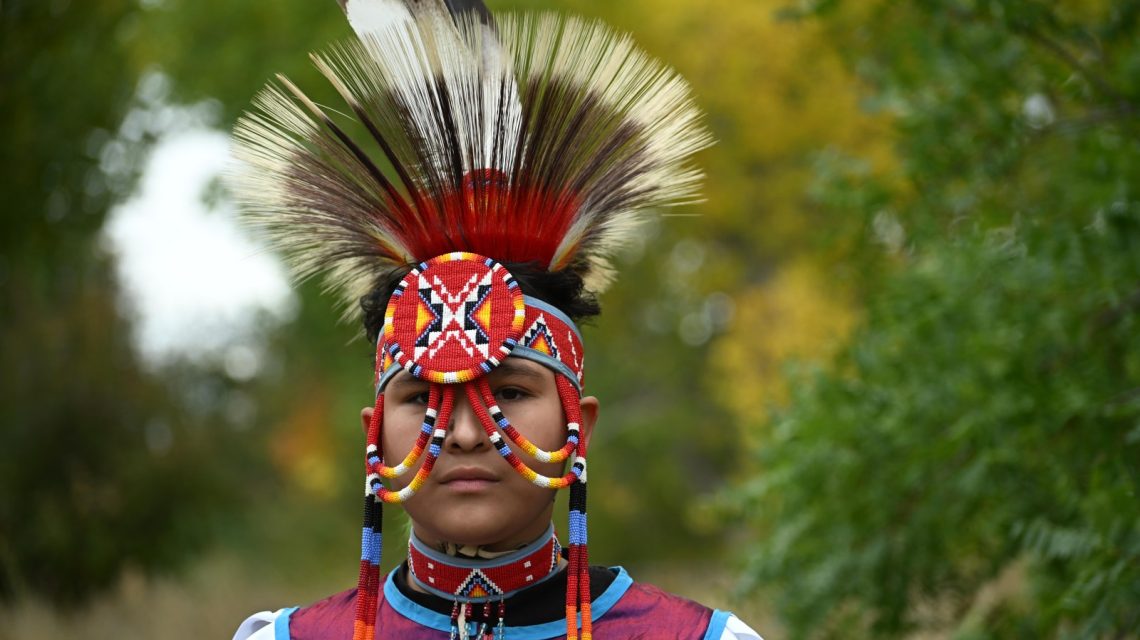
Americans recognize the second Monday of October differently, depending on where they live. There is a national division on whether to celebrate Columbus Day, Indigenous Peoples’ Day, or both. This year, the day was marked on October 12.
Columbus Day remains an official federal holiday, but states increasingly recognize Indigenous Peoples’ Day to honor Native Americans. According to Pew Research Center, 30 states and three U.S. territories recognize Columbus Day in some form; however, only 20 states and two territories treat it as a paid holiday for state employees. Meanwhile, 17 states along with Washington, D.C., recognize Indigenous Peoples’ Day on the same day. Only five of these states combine the recognition with Columbus Day as a paid holiday: Montana, Nebraska, Ohio, Pennsylvania, and Rhode Island.
Why the Holiday Debate Matters
The naming of this October holiday highlights broader discussions about how the United States honors its historical narratives. Despite Columbus Day’s status in federal law, more states are choosing to recognize Indigenous peoples either alongside Columbus or as a replacement.
Is Indigenous Peoples’ Day a Federal Holiday?
Indigenous Peoples’ Day is not currently a federal holiday. Columbus Day holds that designation by virtue of federal law. President Joe Biden issued a proclamation recognizing Indigenous Peoples’ Day in 2021, although this did not lead to a change in the federal holiday’s statutory name or discontinuation of Columbus Day. Biden highlighted the significance of Indigenous contributions and the government’s obligations towards Tribal Nations. On the other hand, President Donald Trump issued a proclamation celebrating Columbus’s legacy and expressed a commitment to its preservation.
State Recognition of Indigenous Peoples’ Day
Currently, 17 states and Washington, D.C., observe Indigenous Peoples’ Day. These observances vary:
- Alongside Columbus Day: Five states view Indigenous Peoples’ Day as a paid holiday along with Columbus Day: Montana, Nebraska, Ohio, Pennsylvania, and Rhode Island. Alabama also acknowledges both Columbus Day and American Indian Heritage Day.
- Instead of Columbus Day: Four states have substituted Columbus Day with a paid Indigenous Peoples’ Day: Maine, New Mexico, South Dakota, and Vermont. Maine, New Mexico, and Vermont made this change in 2019, while South Dakota renamed it Native American Day much earlier, in 1990.
- Without paid status: Seven states recognize Indigenous Peoples’ Day without making it a paid holiday: Alaska, California, Hawaii, Minnesota, Oklahoma, Oregon, and Wisconsin.
Nonetheless, 30 states continue to recognize Columbus Day, and in many, it remains a paid holiday. Both Alabama and several other states celebrate an Indigenous observance while keeping Columbus Day. The debate over this holiday nuances the longstanding disagreement on Columbus’s legacy. Proponents of Columbus Day emphasize his importance to Italian American heritage, while supporters of Indigenous Peoples’ Day argue that the holiday should reflect historical realities involving Native peoples before the arrival of Europeans.
The Evolution of Indigenous Peoples’ Day
The formation of Indigenous Peoples’ Day encompasses several decades and events. A significant international conference on discrimination against Indigenous populations was held in Geneva in 1977, wherein the potential replacement of Columbus Day with Indigenous Peoples’ observances was discussed. South Dakota was an early adopter, establishing Native American Day in 1990. Followingly, Berkeley, California became the first U.S. city to officially observe Indigenous Peoples’ Day in 1992, which marked the 500th anniversary of Columbus’s 1492 voyage.
The movement reached a significant point in 2021 when President Biden issued a presidential proclamation to commemorate Indigenous Peoples’ Day. While this did not solidify a federal holiday, it was a notable progression in the recognition process.
Business and Educational Observance
Columbus Day remains a federal holiday, prompting the closure of federal offices and the U.S. Postal Service. The Federal Reserve Banks also close, affecting many traditional bank branches, though schedule decisions rest with individual institutions. School closures for Columbus Day or Indigenous Peoples’ Day lack uniformity; they depend on state and local decisions. Private businesses likewise set their own opening and closing rules.
Future of the Holiday Recognition
In conclusion, federal offices will consistently recognize Columbus Day, yet the broader debate over holiday recognition continues. State governments can adjust their holiday calendars to honor Indigenous peoples, yet federally, Columbus Day remains protected by law. Trump’s previous statements asserted American gratitude towards Columbus and promised to maintain his legacy despite opposing views.
 Will County Election: Key Races for Clerk, Superintendent, and Treasurer
  Voters in Multiple States to Decide on Education Ballot Measures
  Iowa’s Political Landscape Amid Midterm Elections
  Ken Paxton Receives Contributions Amid Senate Bid
  Michigan Candidate Proposes Freeze on Advanced AI Development
  Voter Roll Controversy Sparks Protests in India