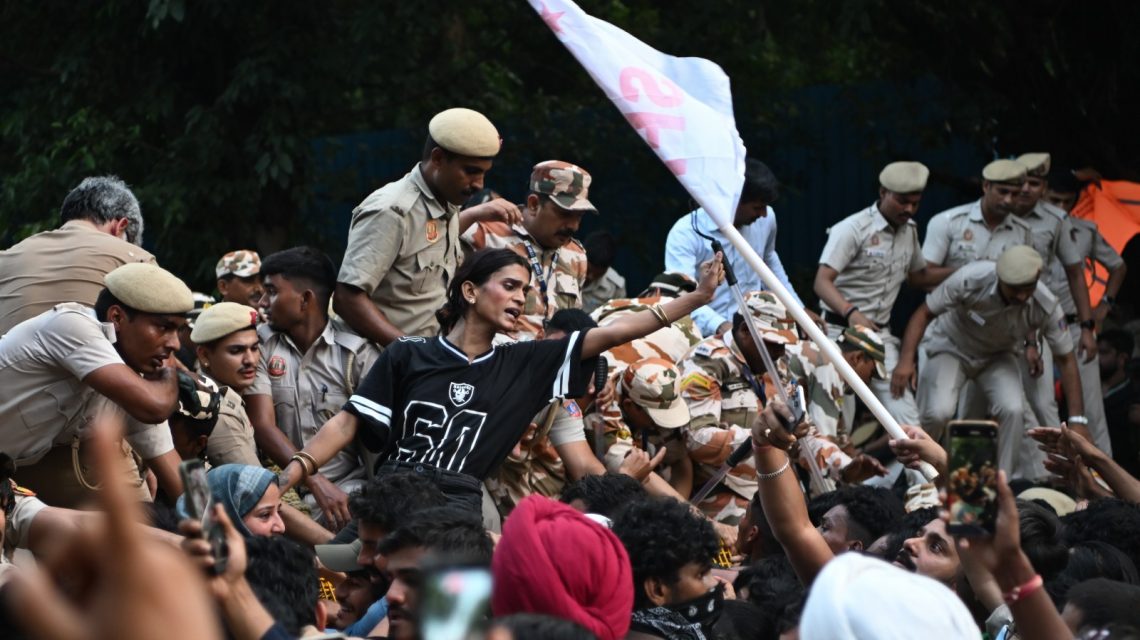
Maya Devi resides in an informal settlement on the outskirts of Delhi. Her life there once allowed her a voice in the world’s largest democracy. Now, she is one of over 130 million people removed from India’s electoral rolls, according to the Election Commission. This massive removal has fueled anger, accusations of foul play, and intensified protests against Prime Minister Narendra Modi, leader of the world’s most populous nation.
Leaders of the Cockroach Janta Party (CJP), a youth-led movement, were detained during a protest demanding the resignation of the Chief Election Commissioner, Gyanesh Kumar. Recently, more than 2,400 protesters faced temporary detention. On Monday, opposition leaders marched to the Supreme Court, seeking intervention over the voter lists.
While voter rights spark debates in the United States, the situation in India, a country of 1.4 billion people, involves the removal of names amounting to the population of Mexico. The official explanation attributes the deletions to deaths, duplicates, absentees, untraceables, or those who have permanently moved. Critics argue the changes may benefit Modi and his Hindu nationalist Bharatiya Janata Party (BJP).
Maya Devi expressed her shock to Newsweek, saying, “I have been voting for decades, and suddenly that right has been taken away from me and my entire family. All our names have been removed from the voter list.”
Critics accuse Kumar of leading a voter-list revision that may disenfranchise eligible citizens. Both the Election Commission and BJP deny political manipulation, asserting that the numbers include those marked as absent, shifted, deceased, or duplicate in draft rolls, not those deleted from final rolls.
Hrishika Jain, a legal scholar, called for the rollback of the Special Intensive Revision (SIR), stating that it unfairly affects those without stable housing, such as migrant workers. Jain highlighted the challenges brought by high literacy demands on these populations and the potential implications beyond voting rights, including housing claims.
Election Impact
Political analyst Neelanjan Sircar examined the impact of voter-roll revisions on electoral outcomes. In West Bengal’s 2026 election, a significant median contraction in voter rolls suggested a swing benefiting the BJP at the expense of the regional opposition party, Trinamool Congress (TMC). Sircar mentioned a Sabar Institute audit finding that over 70% of 2.7 million removed voters in a key phase were Muslims.
Praveen Rai, a political analyst, noted the absence of evidence for deliberate removals based on religion or caste. The removals’ validity is tied to concerns about illegal immigration, primarily from Bangladesh. Rai warned that attacks on the Election Commission and calls for scrapping the SIR could undermine confidence in this constitutional body.
Rashmi Singh, a political sociologist, emphasized the difficulty for voters to reinstate names on the rolls, particularly those lacking support networks like the BJP’s extensive booth-level organization.
Jain argued that addressing the Election Commission’s independence requires changes to the appointment process beyond calls for Kumar’s resignation. Devi concluded by describing how losing voting rights compounded challenges her family faced after their home was bulldozed, forcing them to informal sheltering options.
 Michigan Candidate Proposes Freeze on Advanced AI Development
 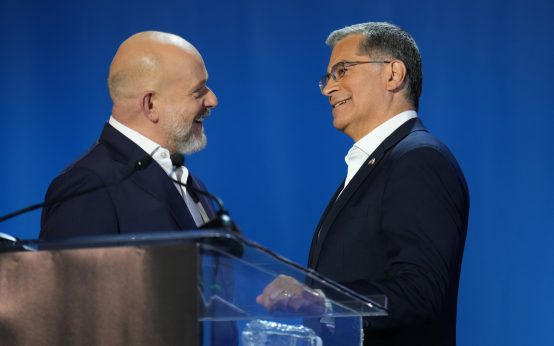 Steve Hilton Criticizes Xavier Becerra, Outlines Campaign Goals
 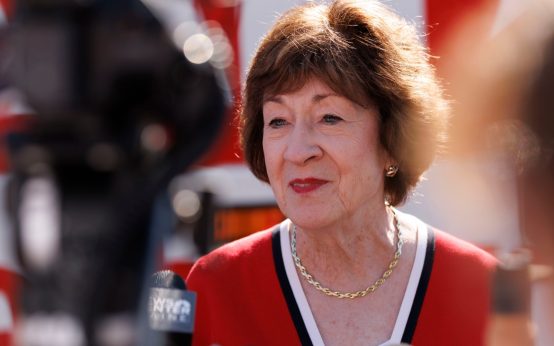 Republican Super PAC Error Prompts Ad Campaign Mix-Up for Maine Senate Race
  The Division on Recognizing Columbus Day and Indigenous Peoples’ Day
 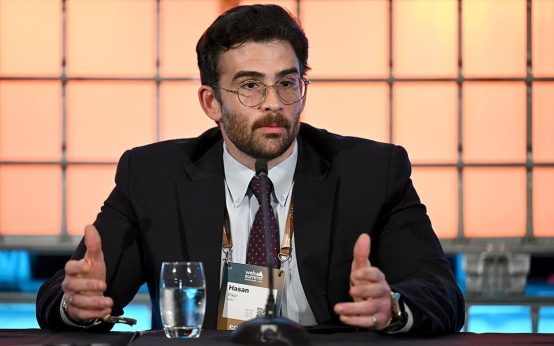 Hasan Piker Discusses Wealth and Politics in Interview
  Man Cut Off by Network After Criticizing Trump