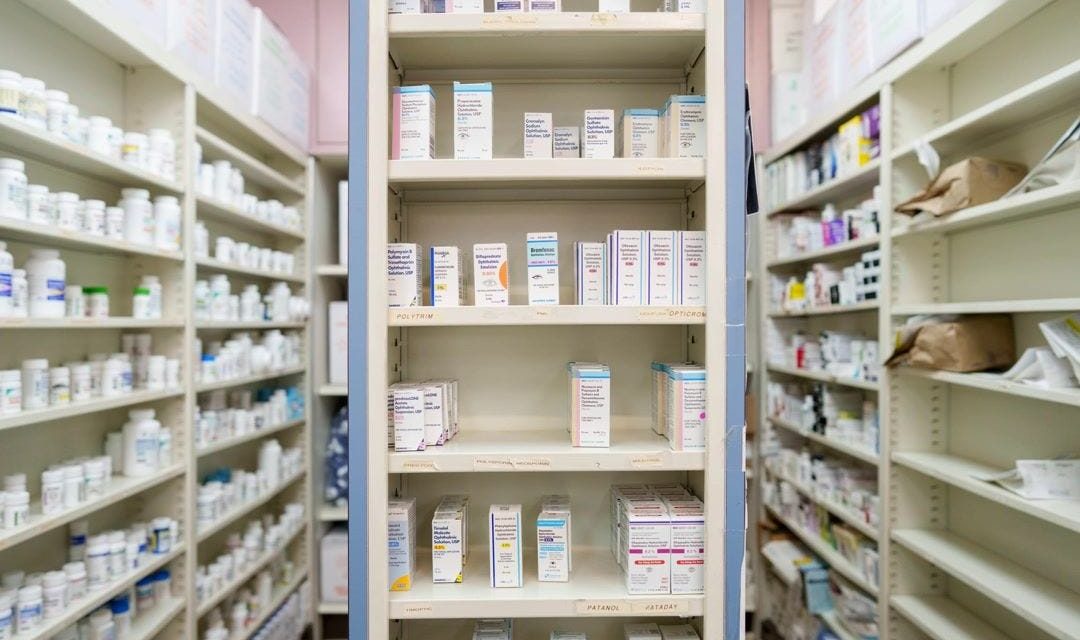
Compounded GLP-1 injections, made by a pharmacy previously warned by the FDA about patient safety risks, have been recalled nationwide. Apothecary Pharma LLC initiated a voluntary recall of tirzepatide injections on September 24 due to ‘lack of assurance of sterility,’ according to an FDA notice. The recall was updated on October 10 to a ‘Class II’ status, indicating that the medication might cause ‘temporary or medically reversible adverse health consequences,’ with a small risk of serious harm.
The recalled injections are compounded versions of the GLP-1, created by a compounding pharmacy rather than being name-brand or FDA-approved. Issues around sterility and sanitation in compounding pharmacy injections have sparked controversy in the past, such as the 2012 fungal meningitis outbreak that sickened nearly 800 and killed 64 due to unsanitary injections from the New England Compounding Center.
The FDA has focused on compounded GLP-1s since tirzepatide and semaglutide were removed from the drug shortage list in late 2024 and early 2025. Despite expectations to cease production, many compounding pharmacies continued, leading to FDA warnings and legal challenges.
In December 2025, Apothecary Pharma received an FDA warning letter citing ‘serious deficiencies’ in sterilization practices, which posed risks to patients. Despite reaching out to Apothecary Pharma and the FDA for comments, USA TODAY has not received a response.
Recalled Compounded GLP-1 Injections
A total of 22 vials of tirzepatide have been recalled nationwide. The details are as follows:
- Apothecary Pharma Tirzepatide Injection: 18mg/mL, 4 mL sterile multi-dose vial, Rx only.
- Lot AP-202622, BUD 07-Oct-2026
- Lot AP-202623, BUD 08-Oct-2026
- Lot AP-202624, BUD 19-Oct-2026
- Lot AP-202625, BUD 10/20/2026
- Lot AP-202627, BUD 10/26/2026
- Lot AP-202628, BUD 10/27/2026
- Lot AP-202629, BUD 10/28/2026
- Lot AP-202630, BUD 10/31/2026
- Lot AP-202631, BUD 11/01/2026
- Lot AP-202632, BUD 11/03/2026
- Lot AP-202633, BUD 11/07/2026
- Lot AP-202634, BUD 11/08/2026
- Lot AP-202635, BUD 11/16/2026
- Lot AP-202636, BUD 11/17/2026
- Lot AP-202637, BUD 11/18/2026
- Lot AP-202638, BUD 11/19/2026
- Lot AP-202639, BUD 11/20/2026
- Lot AP-202640, BUD 11/21/2026
- Lot AP-202641, BUD 11/22/2026
- Lot AP-202642, BUD 11/24/2026
- Lot AP-202643, BUD 11/25/2026
- Lot AP-202644, BUD 11/26/2026
Handling Recalled GLP-1 Injections
The FDA and Apothecary have not issued specific guidelines on handling affected vials. Customers have reported via online forums that prescribers are asking patients to return or dispose of them. If you have an affected lot, avoid using it and contact your prescriber for instructions.
Understanding Compounding Pharmacies
Compounding pharmacies create custom drug formulations from raw ingredients. They have gained attention due to GLP-1 demand and the peptides industry growth. Unlike commercial pharmacies that distribute mass-produced drugs, compounding pharmacies tailor medications to patient needs, adjusting dosages or removing allergens like dyes.
They are valuable during drug shortages, as temporary FDA approval allows them to produce drugs in bulk to meet demand. This occurred in 2022, when compounders were authorized to create GLP-1 versions amid shortages. Even after tirzepatide and semaglutide were off the shortage list, pharmacies continued production.
Compounding pharmacies use FDA-approved ingredients, but their formulations aren’t evaluated for purity, safety, or effectiveness like manufactured medications. They aren’t routinely FDA-regulated, leading to sanitation issues and legal actions, as seen in past incidents.
To determine a compounding pharmacy’s reputation, consult the Alliance for Pharmacy Compounding website and your healthcare provider.
 Crest 3D Whitestrips Offer Affordable Teeth Whitening at Home
 Ebola Outbreak in Africa: Current Situation and Responses
 Dr. Vanessa Kerry’s Role in Building Global Health Resilience
 Trump’s Executive Order on Women’s Health Initiatives
 White House Chief of Staff Susie Wiles Declared Cancer-Free After Breast Cancer Battle
 The Connection Between Walking and Enhanced Creativity