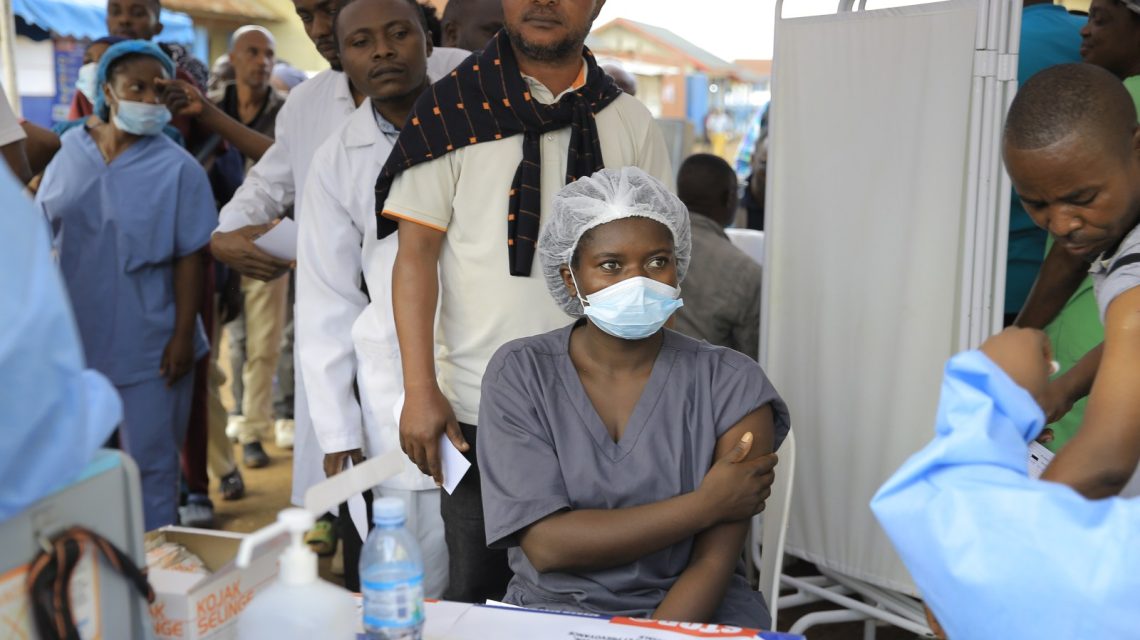
Nigeria Confirms Ebola Case in Abuja
Nigeria has identified an Ebola case in its capital, Abuja. The patient, who traveled from Uganda, was admitted to a private hospital before testing positive. Health authorities are currently tracing 44 individuals who had contact with the patient. This case is part of a broader outbreak that includes nine confirmed infections in Kenya and over 9,000 cases in the Democratic Republic of the Congo (DRC).
Ebola Situation in Kenya
Kenya has confirmed its ninth case of Ebola within a single cluster. All infections are connected to the country’s first patient, and officials have found no evidence of transmission beyond this group. The situation underscores the potential for the virus to cross international borders. The Kenyan Health Ministry has placed 134 contacts in quarantine, aiming to prevent further spread.
Current Ebola Outbreak in the DRC
The outbreak in the DRC is the second-largest on record. As of October 11, the World Health Organization (WHO) reported 9,066 confirmed cases and 4,381 deaths, with a crude case-fatality rate of 48.3 percent. Bundibugyo virus causes the current outbreak, with no approved vaccine or specific treatment available. Early supportive care improves survival rates.
International Implications and Risks
Health authorities in Africa are on high alert as the virus has crossed borders, notably with cases reported in Kenya from travelers coming through Uganda from the DRC. The Centers for Disease Control and Prevention (CDC) considers the likelihood of the virus spreading to the United States very low. The WHO advises against travel and trade restrictions based on current information and supports coordinated control measures.
Outbreak Management Strategies
WHO is aiding Kenya’s Ministry of Health, providing protective equipment and testing supplies worth around $70,000 USD. Contact tracing and surveillance measures are emphasized for early detection and containment. WHO’s Director-General highlighted Kenya’s efforts in tracking and isolating possible cases, reinforcing the importance of sustained public health interventions.
Ebola Mortality and Incubation Details
Ebola generally has a case-fatality rate of about 50 percent, with rates varying from 25 percent to 90 percent in past outbreaks. The current DRC outbreak shows a crude mortality rate of 48.3 percent. The incubation period for Bundibugyo virus ranges from two to 21 days, with symptoms typically starting eight to ten days post-exposure. Intensive supportive care can enhance survival rates.
The virus spreads through direct contact with bodily fluids of infected individuals or contaminated surfaces and materials.
 Efforts to Release American Teacher Held by Russia
 Efforts to Release American Detained by Russia and Recent Political Developments
 Escalating Houthi Attacks Prompt U.S. Security Alerts in the Middle East
 Arrests Linked to Alleged Iranian Plot Against U.S. Bomber Base
 Trump’s Bold Endorsement of Netanyahu’s Political Future
 Dr. Vanessa Kerry’s Role in Building Global Health Resilience