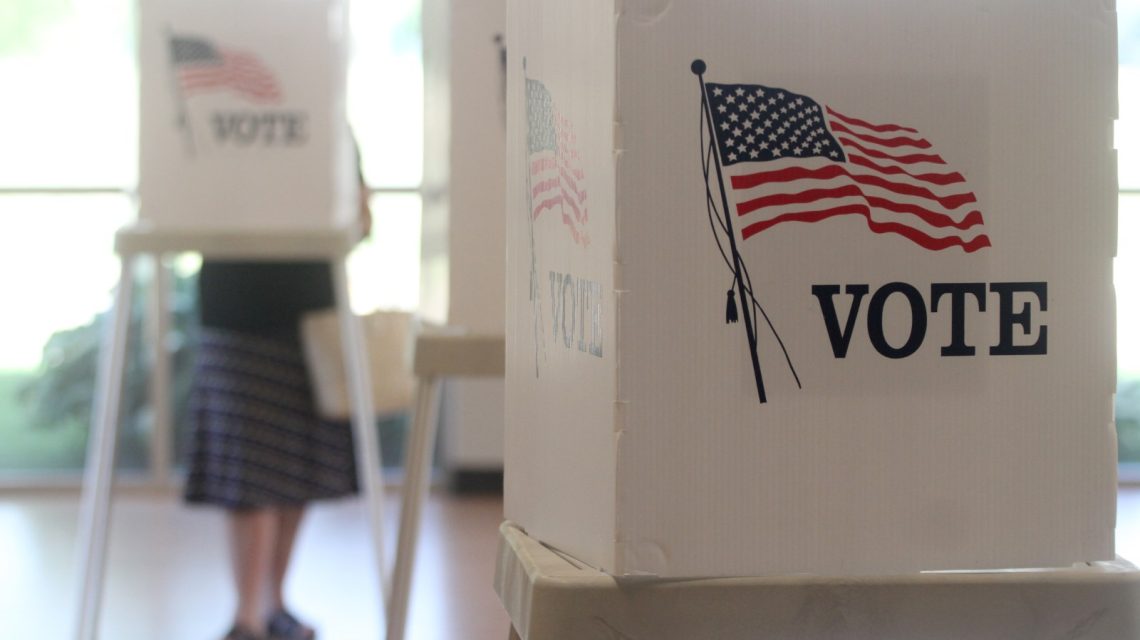
As voters participate in this year’s midterm elections, donations connected to the growing artificial intelligence (AI) industry are under scrutiny. Experts suggest the influx of AI-related money might shape voter perceptions of candidates, although its ultimate impact at the polls is unclear.
Corporate political donations have been a staple of American elections. However, the rise of AI and rapid expansion of data centers across the U.S. have put the industry’s political spending in the spotlight. Candidates in several key races now face questions on how financial backing from AI-linked sources might influence their positions on issues like electricity costs, tax incentives, and approval of new data centers.
“Data-center backed candidates may face some backlash by their political association,” Virginia Tech professor Cayce Myers told Newsweek. “It’s difficult to say that candidates who accept this money will have definitive backlash, but there are some voters where this is the single issue affecting their decision. In an election where there is a tight race a handful of votes can be the difference between victory and defeat.”
Midterm Races and AI-Related Donations
Several races feature AI-affiliated campaign donations making headlines as Election Day approaches on November 3. For example, in Texas, where Republican Governor Greg Abbott faces Democratic state Representative Gina Hinojosa, Abbott has received millions from data center donors, even after halting new data center approvals pending an audit.
In Ohio, Republican Senator Jon Husted and Democratic former Senator Sherrod Brown have clashed over AI-related donations in their Senate race. Husted’s total campaign donations amount to significantly more over his career, but current donations show he received $11,000 this year from AI-affiliated companies, rising to $22,000 since May 2025.
A representative for Husted’s campaign stated that he believes decisions on data centers should remain local, with communities not bearing infrastructure costs. He introduced the Ratepayer Protection Act to ensure companies cover their own power infrastructure costs, which faced opposition from Senate Democrats.
In contrast, Brown’s campaign accused Husted of pushing data centers into Ohio, leading to higher electric bills for residents and substantial tax breaks for corporations. Brown himself, however, has also received funds from PACs connected to data centers while securing federal funds for a related research center.
Neither campaign provided Newsweek with assurances their decisions would remain uninfluenced by data center contributions.
The Impact of AI on Voter Priorities
AI has become a notable issue for Ohio’s electorate and many across the U.S. Although not seen as a decisive factor, AI and data centers concern many voters. A recent poll highlighted that 19% of Ohioans consider AI and data centers significant, demonstrating a notable level of concern alongside dominant economic issues.
While average voters may not track each financial detail, media exposure raises awareness of impactful contributions. Political perception often equates to reality; connections to Big Tech can lead to voter suspicion, regardless of the true nature of these relationships.
Though AI and data centers are prominent discussion topics, many Americans feel the immediate impact through rising bills. The tension between affordability and growing tech influence shapes voter sentiment as political discourse evolves.
As the election unfolds, whether AI-linked contributions influence outcomes remains to be seen. Notably, skepticism over corporate influence in politics endures, with money often viewed as a controversial force swaying politicians away from the interests of everyday voters.
 Maine Senate Race Draws National Attention
 The Importance of Investing in Military Modernization
 Change at the James S. Brady Press Briefing Room
 Modernizing Military: The Role of Private Investment and AI
 Shortest Press Secretary Tenure in U.S. History
 Slow-moving Nor’easter Threatens East Coast with Severe Weather