
As the United States prepares for the upcoming midterm elections on November 3, the focus is largely on political control of Congress and its potential impact on the country. While these questions are crucial, there is a deeper inquiry: What legacy are we leaving for future generations?
Historically, the American Dream has been about ensuring that the next generation experiences greater freedom and opportunity. Early settlers crossed oceans and endured hardships, driven by the belief that their descendants could lead better lives. They understood that the true measure of a generation was not only in the wealth it accumulated but in what it safeguarded for those who would come after them.
Consider the settlers who embarked on the Atlantic voyage in search of religious freedom. Despite the challenges, they believed that worship according to one’s conscience was a freedom worth securing. This conviction contributed to the belief that faith and conscience are individual choices, shielded from government control.
Thomas Jefferson, in his 1802 letter to the Danbury Baptists, emphasized that religious liberty protected personal faith from government interference.
Later immigrants pursued economic opportunities in America, working hard in hopes of providing their children with a better future. Although their circumstances were different from those of the initial settlers, they shared the core understanding of the American Dream: sacrificing personal comfort for future security.
However, over time, the perspective shifted towards immediate gratification. The American Dream became more about personal acquisition rather than laying a foundation for the next generation. Addressing this change requires considering how to secure the future in areas like national finance, where accumulating debt threatens future generations.
A free society depends on the ongoing sacrifice and stewardship of freedoms passed down. Elements like religious liberty, economic opportunity, and strong communities need more than appreciation; they demand a commitment to preserve these blessings.
The Christian perspective aligns with these principles. Biblical teachings encourage caring for others and sharing faith across generations. John 13:34, for instance, commands believers to love one another as Jesus did.
Previous generations made sacrifices to secure freedoms often taken for granted today. Christians now may hesitate to express their faith openly due to fear of social repercussions.
Christian leaders face pressure to avoid controversial topics, yet the scriptures emphasize addressing cultural challenges head-on, as articulated in Hebrews 4:12.
Effective leadership in faith doesn’t soften the message but instead prepares believers to embody biblical truth faithfully.
November’s elections are temporary, determining political power only briefly. The responsibility to educate children, to teach freedom’s value, and to prioritize future generations remains beyond governmental duties.
The American Dream is not solely a personal pursuit; it is a commitment to ensure freedoms and opportunities are available for future generations. This is because previous generations treated these principles as worth defending beyond their lives.
The essence of this dream is everyone’s duty—to leave a lasting impact for those who follow.
Troy Miller is the president and CEO of National Religious Broadcasters, a nonprofit that does not support or oppose political candidates.
 NFL’s Attempts at Embracing Diversity Through Spanish Feels Forced
 Hakeem Jeffries’ Bid for House Speaker Faces Progressive Hurdles
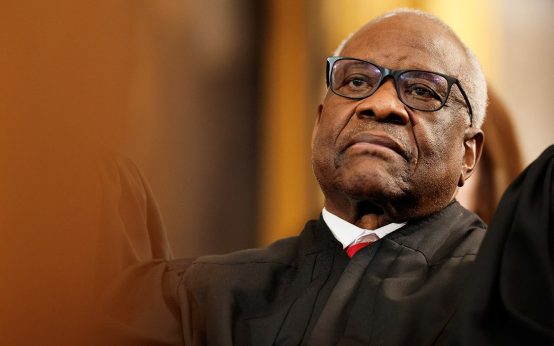 Supreme Court Declines Challenge to California Law on Speech
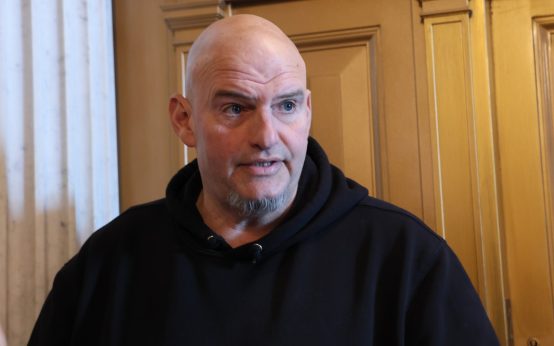 Senator Fetterman’s Possible 2028 Primary Challenge
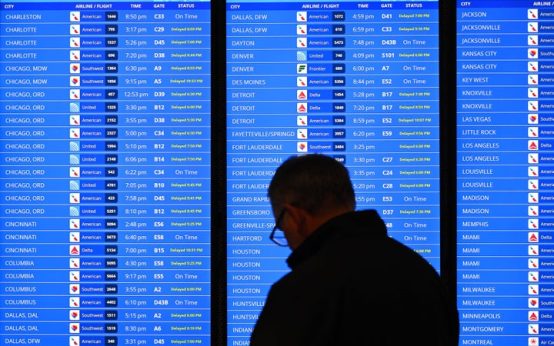 Transportation Secretary Addresses Nationwide Ground Stoppage
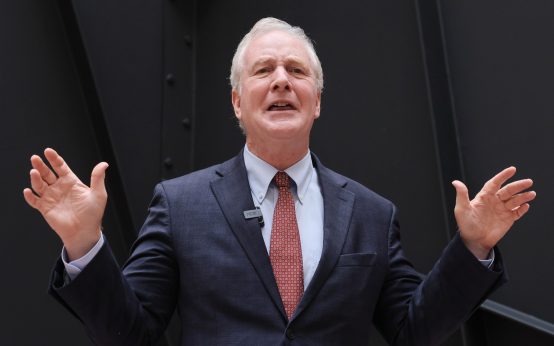 Senator Chris Van Hollen Challenges Chuck Schumer’s Leadership