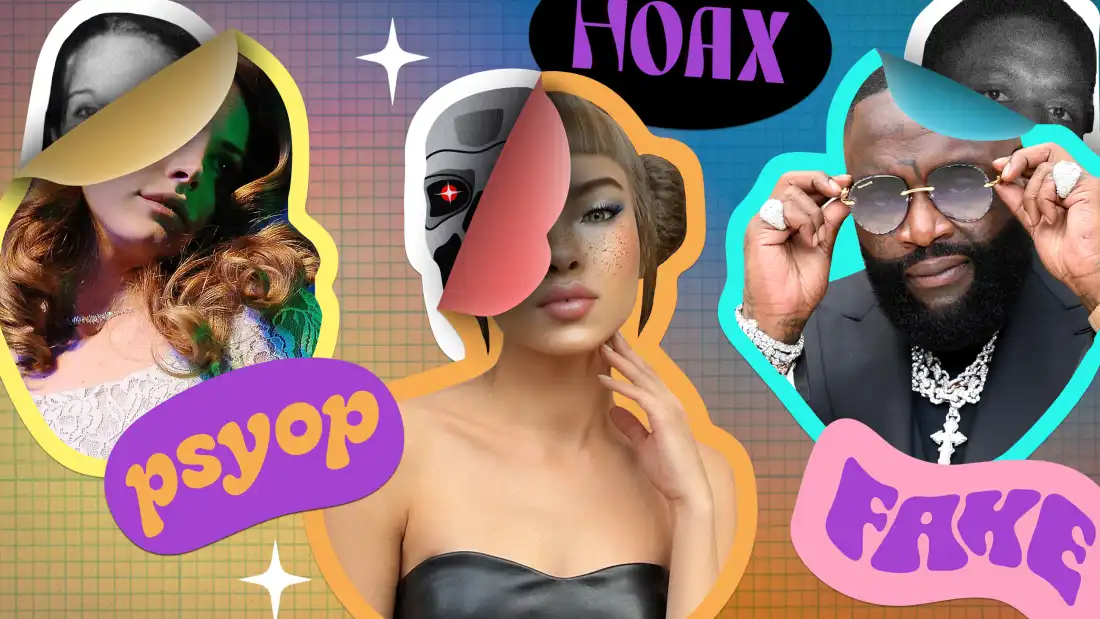
The music industry has long been riddled with debates over what constitutes authenticity. In 2026, this issue has reached new heights, fueled by AI artists and ‘industry plants.’ The line between real and fake feels blurrier than ever, with artists rapidly climbing the Billboard charts amid skepticism about their promotional tactics.
Historical Precedents in Musical Fraudulence
Ann Powers’ essay highlights that authenticity crises are not new in music history. Technological advances and new music discovery methods have historically bred suspicion about the purity of music.
NPR Music Staffers’ Favorite Fake Music Scandals
One notable scandal was that of Scottish musicians Gavin Bain and Billy Boyd, who posed as American rappers to form Silibil N’ Brains. Rejected when performing with their native accents, they adopted American personas and achieved success. This deception took a mental toll, ending in 2007 when Bain revealed the truth during a performance.
“Eventually, we couldn’t come out of character,” Bain recounted in 2010.
Their story underscores how manufactured authenticity can triumph if it fulfills industry desires.
The Joyce Hatto Plagiarism Scandal
The classical music world faced its own scandal with pianist Joyce Hatto. Despite an initially unremarkable career, Hatto received massive acclaim for her recordings released through her husband’s label. When discrepancies in her recordings were discovered in 2007, it was revealed that her husband had substituted the performances of other pianists.
“Plagiarism is always despicable — and routinely reveals itself in the end,” wrote Tom Huizenga.
This incident challenges perceptions of real and fake, cautioning against blind bandwagon acceptance.
Rick Ross and Hip-Hop Credibility
Rick Ross, known for luxury rap, faced scrutiny following the leak of a photo showing him as a correctional officer. Despite initial denial, Ross admitted to his past but continued to build his musical legacy through superior artistry, defying traditional expectations of street credibility.
Critics argue that his triumph reflects unfair biases linking rap authenticity to criminality.
The Lana Del Rey Authenticity Debate
Lana Del Rey’s debut sparked debates due to her stage name and transformation from Lizzy Grant. Her retro aesthetic and pop approach divided critics. Del Rey’s blend of genres and personas confused audiences, yet she emerged as a respected songwriter whose life and art blur lines.
Hazel Cills noted, “Maybe she was one of the more authentic singers out there from the start.”
AI Influencer Lil Miquela’s Pioneering Role
Lil Miquela, a digital musician and influencer, embodies the AI-generated future. With her uncanny appearance, she gained a following before revealing her AI origins. Her journey reflects shifts in perceptions of authenticity in the digital age.
Her novelty marked the beginning of AI’s impact on fame and culture.
Sexism in Hip-Hop: Ghostwriting Allegations
Ghostwriting in hip-hop challenges authenticity, often weaponized against female rappers. Lil Yachty’s claims of writing for Karrahbooo exemplify attempts to undermine female artists, reinforcing harmful narratives of gender hierarchy.
“I’ve given you a career and time and time you just disrespect me,” Yachty claimed.
The dispute highlights broader issues of ownership and legitimacy.
 Jennifer Lopez Discusses Marriage and Humor During 92NY Event
 Teri Hatcher’s Makeup Transformation into Miranda Priestly
 AEW’s Blood and Guts: A Glimpse into the Brutal Spectacle
 Author Discusses Challenges with ‘Children of Blood and Bone’ Film Adaptation
 Valerie Bertinelli Reminisces About ‘Hot in Cleveland’
 Judi Dench’s Beauty Secrets and Her Journey with Aging