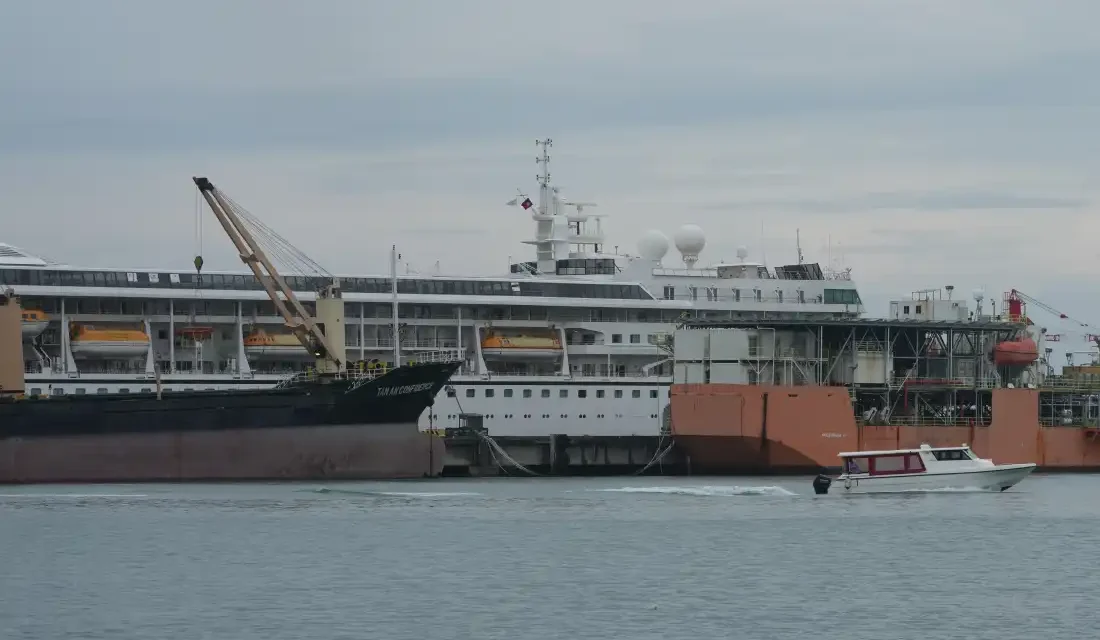
PHNOM PENH, Cambodia — The U.S. cruise ship, MV Odyssey, recently docked at the Sihanoukville Autonomous Port in Cambodia, has stopped its residential world voyage due to high fuel costs. This decision compels hundreds of passengers to leave their homes at sea.
The Odyssey started a three-year journey two years ago, meant to offer long-term sea living combined with global travel. The cruise was marketed to travelers interested in experiencing all seven continents over several years.
Based in Florida, Villa Vie Residences revealed that fuel expenses per cabin, which were around $1,800 per month, have skyrocketed to an estimated $6,000 to $8,000 in certain Asian regions amid the ongoing war in Iran. Despite attempts to lower fuel use by slowing the itinerary and increasing port stays, the company couldn’t manage the increased financial burden.
“We can no longer handle the operating losses,” the company stated. “Transferring these costs to residents is impractical. Our current priority is supporting our residents, crew, and staff as we attempt to restructure.”
The Sihanoukville Autonomous Port reported that the ship arrived on October 23 for a short visit, planning to leave for Vietnam but remained docked as of Wednesday. Onboard were 203 passengers from 15 different countries, primarily Americans, along with 156 crew members. The ship could host 650 residents in total.
Passengers have been notified to disembark, though the crew’s situation remains uncertain. Originally, the Odyssey had secured plans extending into November 2027. There were intentions to launch a second residential cruise ship by 2029, though the company’s statement about the Odyssey’s suspension did not mention this future vessel.
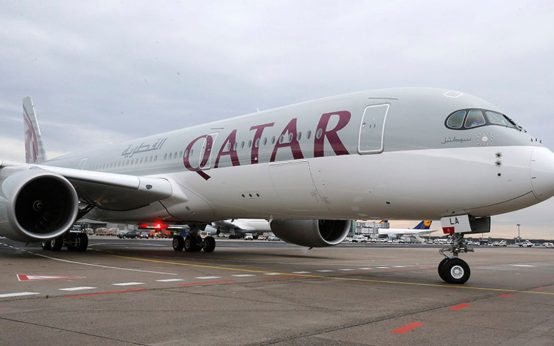 In-Flight Altercation on Qatar Airways Leads to Police and FBI Response
 Virginia Residents Sue Over Alleged Immigration Violations
 Updates on Key International and Domestic Events
 Pope Leo XIV Completes South American Tour with Farewell Mass in Peru
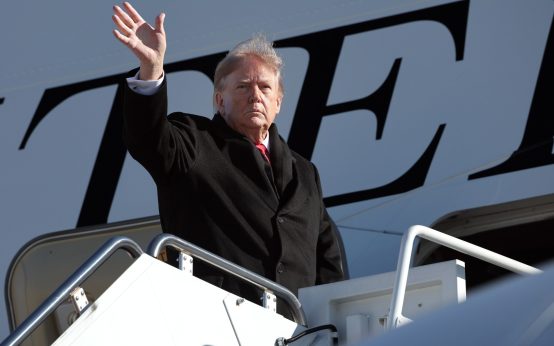 President Trump’s Critical Asia Trip: Key Meetings and Implications
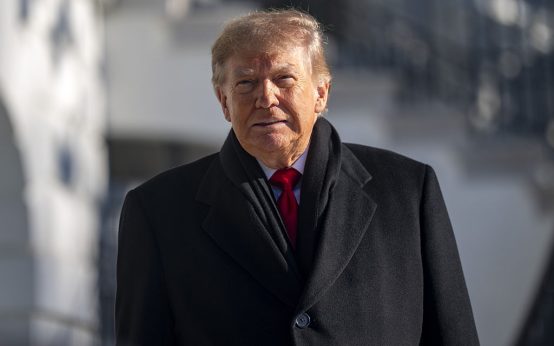 U.S. Plans to Restrict AI Chip Exports Before Trump-Xi Meeting