John Boehner’s Legacy and Challenges for Successors
In 2015, John Boehner, the outgoing Speaker of the House, remarked on the loneliness of the position. He expressed the difficulty of negotiation without assured support from his party, despite having 242 Republican seats at the time. Paul Ryan, his successor, faced threats to his leadership, and Kevin McCarthy struggled similarly, needing multiple ballots to secure his position only to be ousted after 269 days.
Hakeem Jeffries: A New Democratic Leader
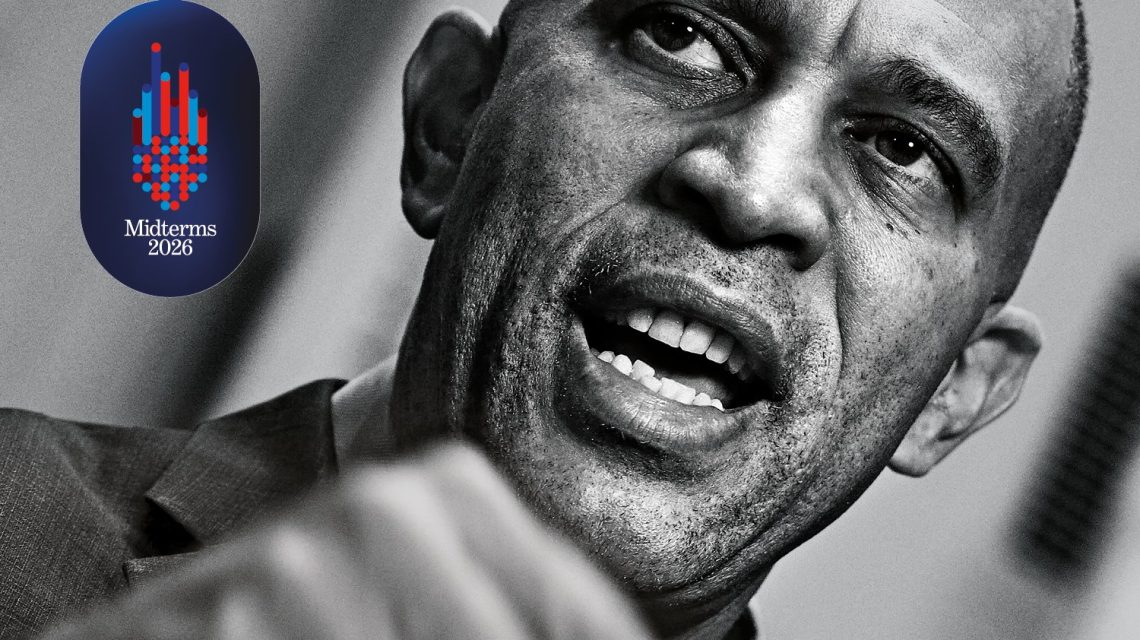
As Republican challenges mounted, Democratic leader Hakeem Jeffries watched from across the aisle. Amid a fragmented GOP, Jeffries received consistent support from his fellow Democrats. Predicted election outcomes indicated a potential Democratic majority, poised to make Jeffries the first Black House Speaker. Despite optimism, intra-party tensions resembling those faced by his predecessors could emerge.
“A Black face in a high place is still very limited in a corrupt system, but I still acknowledge it as a blow against white supremacy, and that’s always a beautiful thing,” commented philosopher Cornel West, reflecting on Jeffries’ potential leadership and its significance.
The Democratic Shift and Jeffries’ Potential Majority
After a loss in 2024, the Democratic Party began shifting toward a more populist approach. Predictions suggested Democrats might gain control of the House with 19 to 39 seats. This range impacts Jeffries’ potential speakership, offering different challenges depending on the majority’s size.
DSA members like Alexandria Ocasio-Cortez and Rashida Tlaib are forming a progressive bloc within the party, and elections have seen DSA-endorsed candidates succeed in various districts. Jeffries expressed openness but maintains certain ideological distances, highlighting a broad Democratic caucus.
Balancing a Broad Coalition
Jeffries campaigned across swing districts and engaged with diverse Democratic factions. His approach contrasts ideological purity with a big tent, emphasizing unity and pragmatic governance. This stance has tested his leadership, demonstrated by differing responses to Blue Dog Democrats who occasionally sided with Republicans on key votes.
“He’s not trying to force ideological purity but rather embrace a big tent Democratic Party that could potentially govern for a long time,” stated Representative Adam Gray.
Jeffries’ Pathway and Political Strategy
Jeffries’ career started in Brooklyn, where he rose from challenges to incumbents to becoming a steady political presence. Despite initial outsider status, he built a reputation through strategic alliances and legislative success. This path mirrored challenges and opportunities faced by many Democratic leaders navigating political transitions.
Jeffries’ role in Washington saw him support Obama over local favorite Hillary Clinton, pass significant legislation in the state assembly, and later rise within Congressional leadership. His ascent symbolizes shifts within the party, balancing traditional and progressive influences.
Managing Diverse Democratic Voices
Jeffries’ leadership involved navigating between maintaining unity and addressing insurgent movements within his party. His dealings with left-wing factions, while maintaining caution toward highly charged ideological debates, demonstrate the complex nature of his leadership. His Brooklyn roots provide insights into grassroots movements and the political dynamics of growing demographics.
The challenge for Jeffries involves addressing expectations from both progressive and moderate quarters. Remaining in tune with these groups will shape his leadership approach, especially regarding contentious issues like housing and healthcare, important themes in urban political discourse.
Facing Political Realities
Jeffries contends with evolving political realities, deeply aware of recent internal party challenges. The balancing act involves confirming pragmatic decisions while handling potential dissent and ensuring a cohesive caucus. Former Democratic figures have emphasized the importance of widescale unity beyond immediate ideological differences, a view reflected in Jeffries’ strategic positioning.
Conclusion: Leadership Beyond Ideology
As Jeffries navigates these challenges, his ability to unify and manage a growing and diverse Democratic caucus will be crucial. If successful, his tenure could redefine party leadership standards. If challenges persist, familiar tensions may emerge, providing impetus for anti-establishment elements within his political landscape.
 Mayor Mamdani’s Policing Reform Plans
 Gen Z Voter Shifts and Their Impact on the 2026 Midterm Elections
 Disappearance of US Senate Candidate Raises Questions
 DOJ Rule Change Reduces Appeal Time for Immigrants Facing Deportation
 Hakeem Jeffries’ Bid for House Speaker Faces Progressive Hurdles
 Ohio Judge Dismisses Defamation Lawsuit by Rep. Max Miller