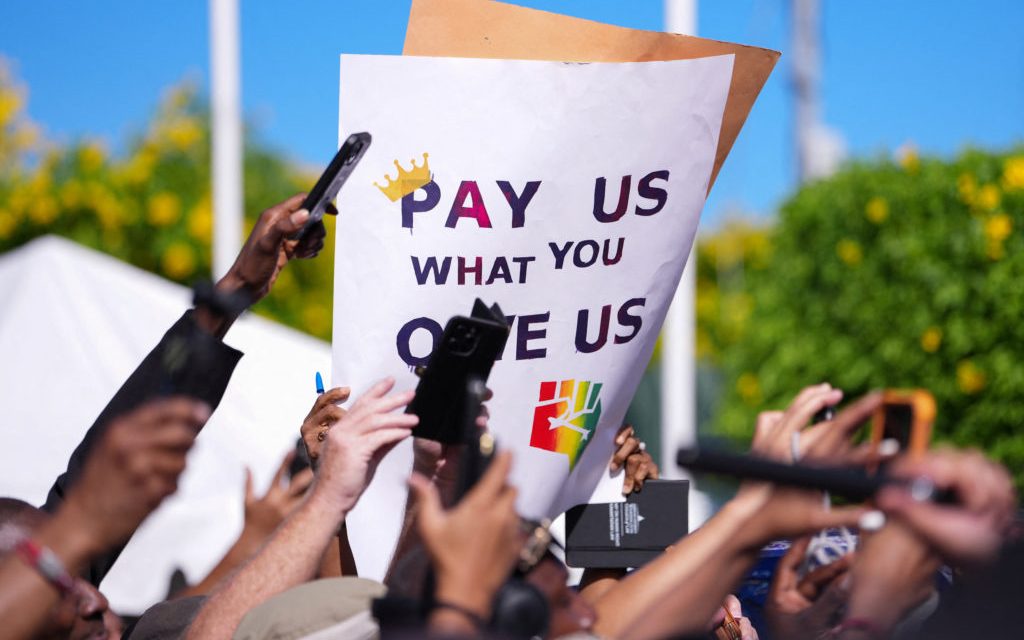
As King Charles III embarks on a tour of the Caribbean, reminders of Britain’s historical links to slavery persist. The monarchy has long been connected to the transatlantic slave trade, a legacy that continues to generate demands for apologies and reparations.
During his travels through the Bahamas, Guyana, and Antigua and Barbuda, King Charles faces pressure to address the monarchy’s past involvement in slavery. He has previously acknowledged slavery as “an atrocity that forever stains our history,” but this stops short of a formal apology.
“It is only right that we should acknowledge the great suffering and injustices of the past,” Charles stated at a youth rally in Nassau. However, critics argue that his comments do not promote meaningful dialogue or engagement with the descendants of those affected by slavery.
Brooke Newman, author of The Crown’s Silence: The Hidden History of the British Monarchy and Slavery in the Americas, contends that the monarchy’s links to slavery date back to 1563. Queen Elizabeth I, for instance, financially benefited from a slave-trading venture led by sea captain John Hawkins.
Kings Charles II and James II also supported the trade through the Royal African Company, which expanded from dealing in commodities like gold and ivory to the buying and selling of enslaved people. Newman argues that these involvements enriched the royal family, marking a significant historical legacy.
In recent years, there has been growing pressure for Britain, alongside other nations like the United States and Spain, to pay reparations for the period of enslavement. This call was reinforced by a United Nations resolution advocating for reparatory justice, including an apology and compensation for ongoing impacts on Black communities.
Constitutional law expert Craig Prescott notes that the king’s potential apology remains limited by government policy. As a representative of the elected government, Charles cannot independently apologize. The government acknowledges slavery’s legacy but has not committed to reparations, which hold significant financial implications.
King Charles’ visit to Antigua and Barbuda includes a meeting of Commonwealth leaders, a body comprising 56 nations, many of which were once British colonies. This visit occurs amidst calls from leaders like Hilary Beckles, chair of the Caribbean Community’s reparations commission, who urges Charles to connect personally with the issue.
The historical struggles surrounding Britain’s involvement in slavery continue to challenge its leaders, as seen in past commemorations like the 200th anniversary of the abolition of the slave trade. Public sentiment remains critical of perceived self-congratulation without addressing the full extent of slavery’s impact.
As long as the monarchy and Britain grapple with these historical ties, voices like Newman’s emphasize that merely quick sound bites are insufficient. The residual effects of colonialism and slavery endure today and require deeper engagement.
The role of a free press in discussing these issues remains crucial in supporting civil dialogue and democracy.
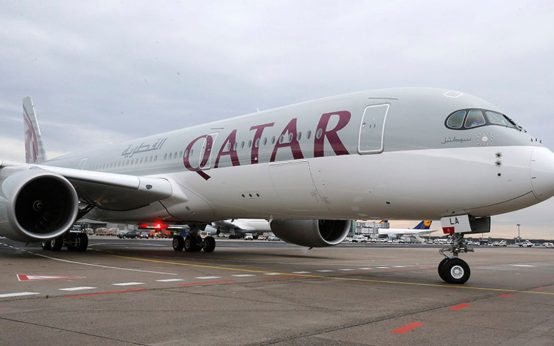 In-Flight Altercation on Qatar Airways Leads to Police and FBI Response
 Virginia Residents Sue Over Alleged Immigration Violations
 Updates on Key International and Domestic Events
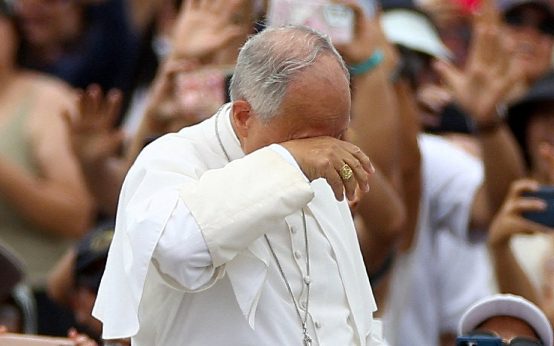 Pope Leo XIV Completes South American Tour with Farewell Mass in Peru
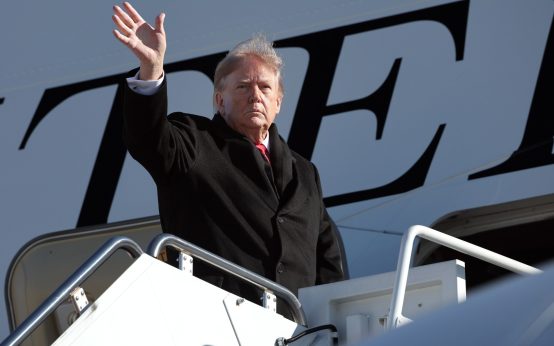 President Trump’s Critical Asia Trip: Key Meetings and Implications
 U.S. Plans to Restrict AI Chip Exports Before Trump-Xi Meeting