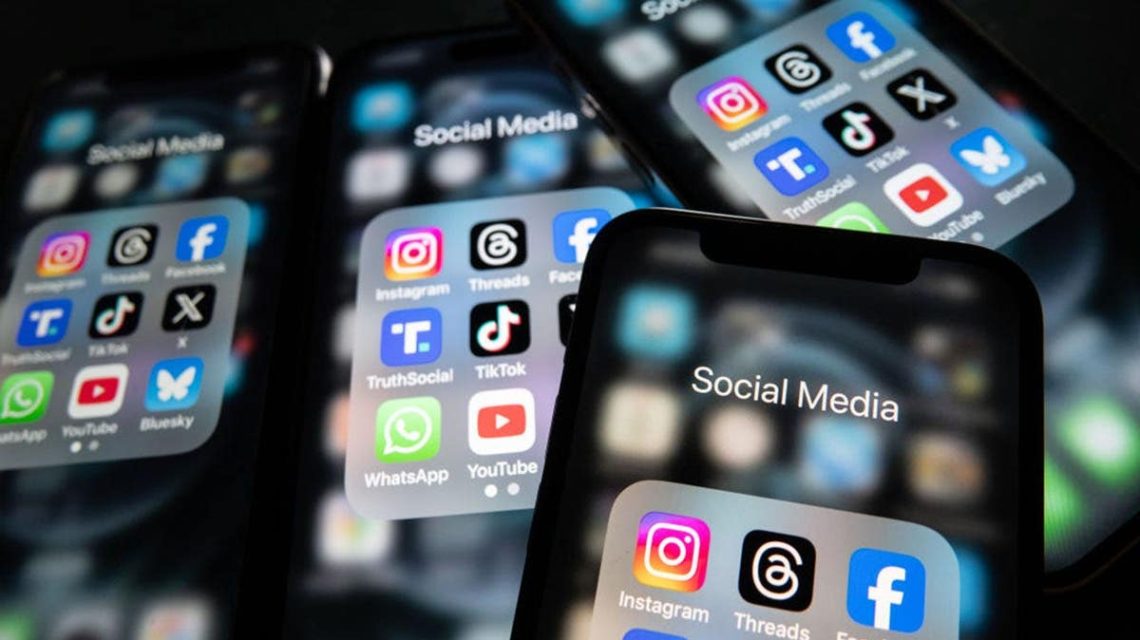
Social media platforms have increasingly become spaces where negativity outshines positivity. People are often quick to criticize, insult, and spread false information online, behaviors unlikely in face-to-face interactions. This has drawn attention recently with figures like ESPN commentator Pat McAfee highlighting online threats affecting their safety.
McAfee reported feeling unsafe at a Utah college due to online threats, including references to an attack like the one on political activist Charlie Kirk. Similar sentiments have been shared by individuals like Clay Travis, who receive such messages regularly. Public figures and those expressing controversial opinions often encounter a significant amount of online abuse.
The impact on mental health is observable. A study conducted in 2025 with 128 adults revealed that exposure to negative social media comments increased anxiety and diminished mood scores compared to positive or neutral comments. Specifically, anxiety was recorded at 2.42 for negative comments, while neutral comments yielded a score of 1.77, and positive comments scored 1.55. Mood scores showed a similar trend, with negative comments reducing them to 2.37 compared to 3.05 for neutral comments and 3.25 for positive comments.
Furthermore, adolescents encountering cyberbullying are found to have 2.73 times the risk of developing depression compared to those not experiencing cyberbullying. This highlights the severe emotional distress this negativity can inflict on varying demographics, from youth to professionals.
Dr. Jesse Morse, notable for his analysis of NFL player injuries, recently stepped back from his role due to persistent negativity on social media despite having over 200,000 followers. He stated, “My reputation is not worth it. I get so much hate. It’s just not worth it anymore.” The choice to engage with social media toxicity is personal, but the detractors should be disregarded as they remain unknown entities in one’s life.
Social media app logos such as Instagram, Threads, Facebook, and others shown in an illustration underscore the pervasiveness of online platforms. These platforms, once tools for connection, now face scrutiny after the Australian Senate passed a law prohibiting under-16s from having social media accounts, threatening fines for non-compliance.
“Think about the logic of allowing someone who does not know you to determine your mood.”
Like in film reviews, judgments are often made on incomplete information online. Many criticisms on social media stem from isolated posts or comments without considering the person’s whole character or situation. These opinions lack credibility unless given attention.
Studies indicate that negative content garners more engagement and spreads faster online. This results in a skewed representation of public opinion, where negative voices dominate over quieter positive ones. In past generations, strangers’ opinions were mostly unknown, but now technology delivers them directly to us.
Yet, these opinions haven’t improved in quality or importance. The shift is only in the medium through which they are conveyed. It’s crucial not to grant them undue significance. Users can actively choose to disengage from online negativity by turning off mentions, restricting replies, and disabling public comments. Even deleting social media can diminish its influence, rendering the negativity powerless.
Unless the negativity poses a direct threat to one’s friends, family, career, health, or safety, it should have no space in one’s thoughts. Ignoring online hate can make it inconsequential. Bobby Burack, a contributor to OutKick, emphasizes the insignificance of unrecognized hate.
 The Daily Routine of Klook’s CEO Focused on Fitness and Efficiency
 The Jensen Huang Controversy: Silicon Valley’s Divided Opinion
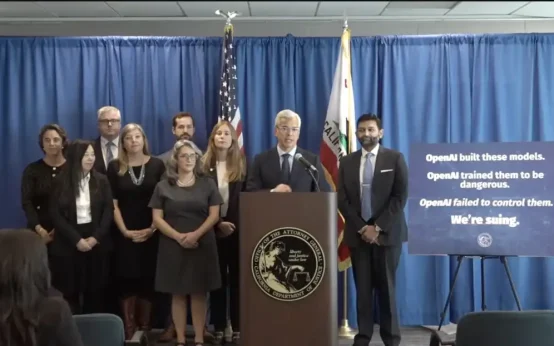 California Lawsuit Against OpenAI: Key Details and Implications
 Updates on Key International and Domestic Events
 E.l.f. Cosmetics Breaks Makeup World Record at TwitchCon
 Understanding Credit Freeze, Fraud Alert, and Identity Monitoring