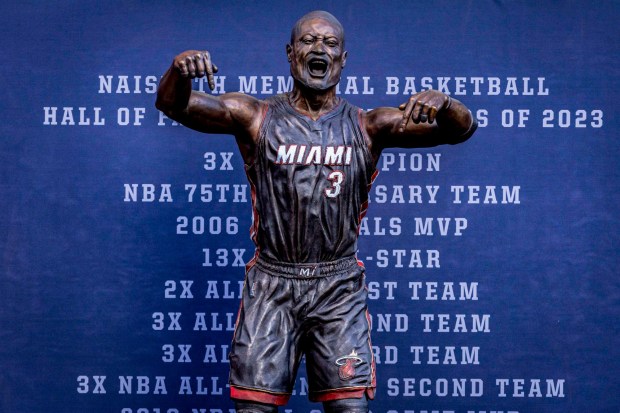
The statue of Miami Heat legend Dwyane Wade at the Kaseya Center has undergone a transformation following critical feedback. This change marks a significant shift from the previous version of the statue, which had been the subject of widespread criticism since its unveiling. The artists behind the statue, Omri Amrany and Oscar Leon, implemented modifications to better capture Wade’s likeness and presence.
Originally unveiled on October 27, 2024, the statue depicted Wade striking his iconic “This is my house!” pose. This pose was famously displayed during a game against the Chicago Bulls in 2009, showcasing Wade’s determination and skill. Over the past year, the team engaged with the artists to address concerns over the statue’s accuracy, focusing on improving the representation of Wade’s image.
The retrofit involved adjustments to the statue’s head while maintaining the integrity of the existing torso. The artists explained their decision in a statement: “We saw an opportunity to strengthen the portrait once it was evaluated in its permanent environment. We felt it was essential to refine the likeness and presence of Dwyane Wade.” Wade himself has embraced these changes, recounting his evolving perspective in a Substack essay published on the day of the revised statue’s unveiling.
“At first, it was hard not to feel protective of it,” Wade wrote, noting his initial connection to the statue. “I understood all that went into creating it, so defending the work felt natural. But honest conversations led to necessary adjustments.”
Through this process, Wade aimed to ensure the statue connected more directly with the person it represented. The revised version now stands as a testament to Wade’s career and achievement, aligning with his view of the statue as an artistic interpretation rather than a literal representation.
When the initial version debuted, Wade interacted with critiques with humor and resilience. He maintained perspective on the artistic choices involved, emphasizing the honor the statue represented despite the criticisms. Charles Barkley notably commented on the statue’s shortcomings, urging for improvements, aligning with Wade’s eventual approach toward accepting the opportunity for a course correction.
“It was a football game going on, and they had it behind the guy who missed the field goal,” Wade recalled humorously. “If you don’t have a statue, I don’t wanna talk.”
Adjustments required extensive work, making the transformation a significant venture. The original statue took around 800 hours to complete, with Wade actively contributing throughout the process. Wade acknowledged that being sculpted in Miami demanded additional durability to withstand environmental conditions.
Reflecting on the reimagined statue, Wade expressed hope that people would see a better likeness of him and identify with the shared history and triumphs of his career. “It may be my likeness, but it will always be our house,” he remarked in his Substack.
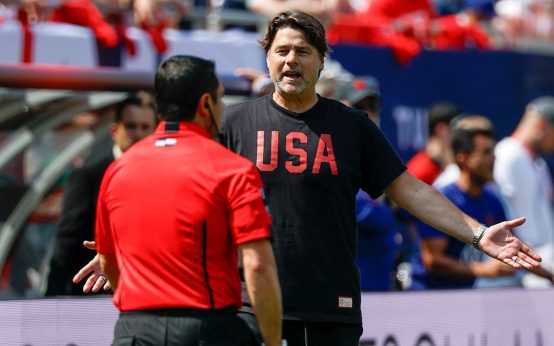 Challenges Facing US Soccer: Insights from Mauricio Pochettino
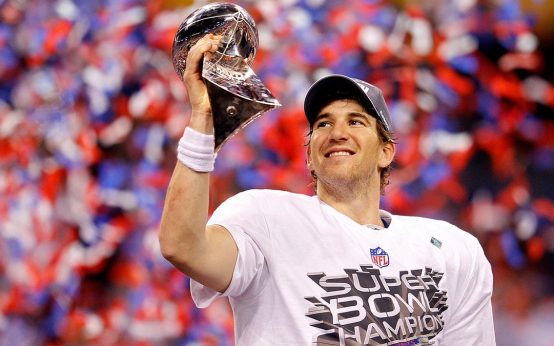 Giants’ Historic 2008 Upset Gets Spotlight in New Netflix Documentary
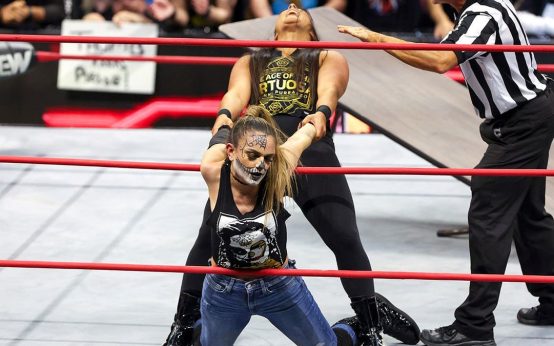 AEW’s Blood and Guts: A Glimpse into the Brutal Spectacle
 Nationals Retain Jacob Young with Four-Year Contract
 TNA Destination X: A Night of High Stakes and Intense Matches
 Kenneth Walker’s Injury and Impact on Kansas City Chiefs