Chicago’s mayoral race has drawn significant interest, with 16 candidates vying for the position. Each sees an opportunity to tackle the city’s fiscal and confidence issues, aiming to leave a lasting legacy by rescuing a city considered one of America’s greatest.
Comptroller Susana Mendoza’s Bold Move
Illinois Comptroller Susana Mendoza is among those seeking to become the next mayor. She chose not to run for reelection as comptroller to focus entirely on the mayoral race. Mendoza said, “I have nothing to lose except our city,” emphasizing her confidence and commitment. This decision reflects the audacious spirit needed by the next mayor given Chicago’s current challenges.
“I hope my son can someday say to his grandchildren, ‘Your abuelita saved Chicago,’” Mendoza added.
Challenges in City Council Races
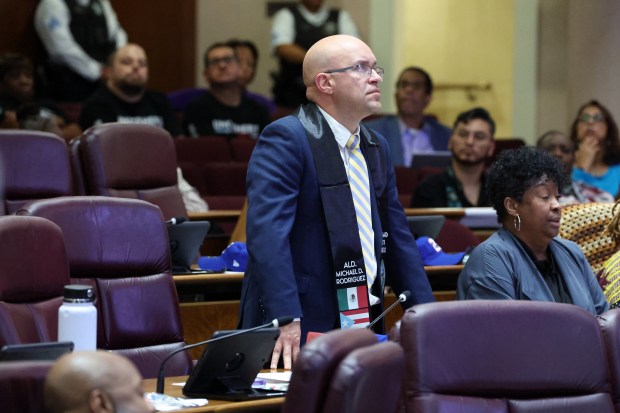
While the mayoral race is competitive, the same cannot be said for the upcoming City Council elections. Eleven of the 50 aldermanic seats are unopposed, including the 22nd Ward seat held by retiring Alderman Mike Rodriguez. Residents in his ward will only see Rodriguez’s chief of staff, Elianne Bahena, on their ballots, without any competition.
The council dynamics are notable, with Rodriguez and others supporting Mayor Brandon Johnson consistently, including on issues like the corporate head tax and the mayor’s fiscal policies.
Concerns Over Unopposed Aldermanic Seats
Ald. Matt Martin, representing the 47th Ward, seeks a third term without opposition. Martin has backed Johnson’s propositions, such as the head tax and recently supported the mayor’s veto of legislation requiring a supermajority for future bond authorizations.
Ald. Andre Vasquez in the 40th Ward also runs unopposed, having supported the head tax but broke ranks by voting to override Johnson’s veto on debt-supermajority measures. Vasquez’s constituents won’t have an electoral choice, similar to those in Martin’s ward.
Lamont Robinson of the 4th Ward, a consistent supporter of Johnson, faces no opponents either. Despite supporting Johnson on crucial issues, Robinson’s ward remains without the ShotSpotter gunshot-detection technology.
Implications of Uncontested Elections
Other aldermen running unopposed include Peter Chico, Nicole Lee, Raymond Lopez, Ronnie Mosley, Samantha Nugent, Anthony Napolitano, and Debra Silverstein. While some are respected council members, the absence of alternatives doesn’t serve the electorate’s interests in a significant election year.
Chicago is moving into a consequential election period, with the number of uncontested seats increasing from recent years. In 2023, 10 seats were unopposed, and in 2019 only five candidates faced no competition.
The Concern: The lack of opposition reduces voter choice in a time when the role of aldermen is more crucial than ever. Mayor Johnson’s political situation provides an opportunity for greater City Council independence, allowing aldermen to become co-equal policymakers.
As Chicago prepares for a decisive vote next year, the importance of having choices on the aldermanic ballot remains a pressing concern.
 Mayor Mamdani’s Policing Reform Plans
 Gen Z Voter Shifts and Their Impact on the 2026 Midterm Elections
 Disappearance of US Senate Candidate Raises Questions
 DOJ Rule Change Reduces Appeal Time for Immigrants Facing Deportation
 Hakeem Jeffries’ Bid for House Speaker Faces Progressive Hurdles
 Ohio Judge Dismisses Defamation Lawsuit by Rep. Max Miller