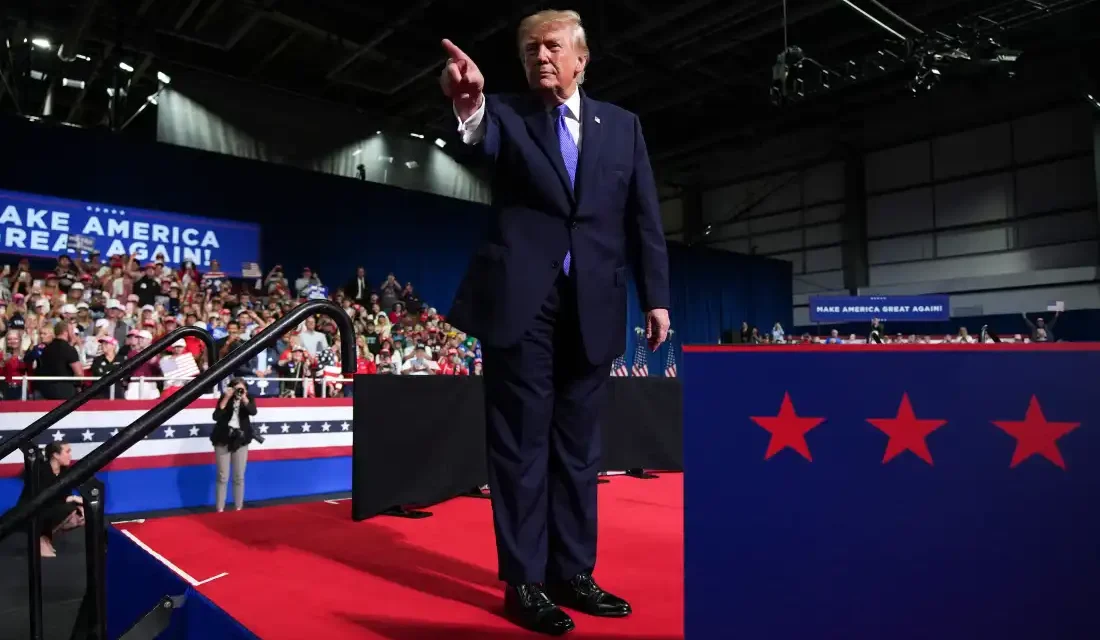
On October 29, 2026, President Donald Trump appeared at the Rock Hill Sports and Event Center in South Carolina, speaking at a campaign rally to support Senate candidates Darline Graham and Michael Whatley. During the rally, he reflected on the size and impact of his events and discussed the enduring legacy of his political movement.
Trump, known for large rallies, compared his past successes to those of independent Senator Bernie Sanders, emphasizing the historic nature of his gatherings. He remarked on the improbability of replicating such events in the future, promising attendees they are witnessing something unique.
In his midterm campaign efforts, Trump conducted over 25 rallies in October, primarily in states where Republicans face challenges. While he aimed to bolster candidates like Graham and Whatley, Trump also sought to keep himself prominent in political discourse, urging supporters to view him as a factor in their voting decisions. His message was clear: voting for Republicans was synonymous with preserving his achievements, including tax cuts and border policies.
Trump’s rallies featured familiar themes, often revisiting topics he addressed throughout his presidency, such as tariffs. In Lubbock, Texas, he claimed tariffs enriched the nation, underscoring his fondness for the term.
A unique element of Trump’s speeches involved anecdotes, like his remarks about Ohio Senator Jon Husted, where he humorously referenced analyzing Husted’s physical appearance. Despite lacking substantial evidence of influence on voters, Trump confidently spoke of Husted’s perceived rise in popularity, repeating the joke at rallies across various states.
As the midterms approached, Trump continued to rally support by pledging a $5,000 ‘Trump dividend’ if Republicans regained control of the House and Senate. In a twist, he humorously critiqued the cost of luxury at Mar-a-Lago and questioned if the dividend would truly cover expenses there.
Devoted fans like Blake Marnell, known as ‘Mr. Wall’ for his attire representing Trump’s border wall promise, attended rallies with enthusiasm. Participants like Marnell saw these campaign events as an integral part of their lives, likening them to an immersive experience.
For newcomers like Cindy New and Valerie Thivierge, attending a rally became a singular event, providing a glimpse into Trump’s political spectacle. Both expressed anticipation for Trump’s performance, considering it a rare opportunity to witness his charismatic presence.
Despite the exhaustion from consecutive events, Trump highlighted the support from attendees as a driving factor. The Republican National Committee initially announced a shift to tele-rallies to conserve his energy. However, Trump resumed in-person events in Kansas and Iowa after reconsideration, displaying dedication to his base.
In closing, Trump acknowledged the dwindling time of his influence in politics but remained optimistic about November’s elections. He called on his loyal supporters to embrace the urgency of the moment and advocate for Republican victories.
While concluding his rally in Daytona Beach, Fla., Trump combined nostalgia with fatigue, marking the end of an intense campaign period. He acknowledged the strain of constant travel and speeches, admitting his voice was strained, yet maintaining a determined spirit as elections approached.
 Mayor Mamdani’s Policing Reform Plans
 Gen Z Voter Shifts and Their Impact on the 2026 Midterm Elections
 Disappearance of US Senate Candidate Raises Questions
 DOJ Rule Change Reduces Appeal Time for Immigrants Facing Deportation
 Hakeem Jeffries’ Bid for House Speaker Faces Progressive Hurdles
 Ohio Judge Dismisses Defamation Lawsuit by Rep. Max Miller