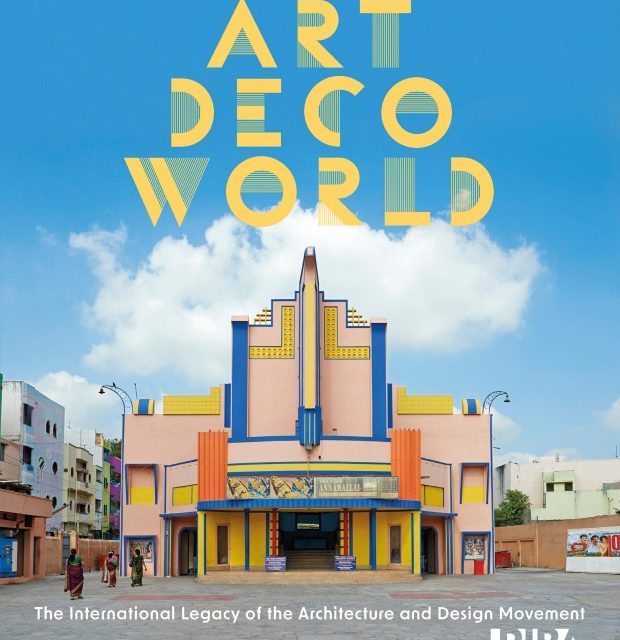
Mid-century modern designs dominate home decor, influenced by brands like IKEA. However, 100 years ago, Art Deco emerged, a vivid style spanning architecture and design. Max Chavez’s new 218-page book, “Art Deco World,” explores this movement. The name Art Deco stems from the French phrase “arts décoratifs.” The style gained prominence after a 1925 modern arts exhibition. Chavez notes that early 20th-century tastemakers left Victorian aesthetics behind, driven by curiosity about modernity, technology, and industry. Art Deco architecture, characterized by geometric forms and vertical emphasis, was exemplified by skyscrapers like Chicago’s Carbide & Carbon Building and New York’s Empire State Building. Skyscrapers highlighted technological achievements, and Art Deco accentuated their engineering feats.
Chicago hosts many Art Deco landmarks, including the Civic Opera House and the Chicago Board of Trade building. The style represented the lavishness of the 1920s’ booming economy. It symbolized optimism with gleaming materials like metals, stone, steel, and glass. While downtown is known for grand structures, Chavez emphasizes Chicago’s best Art Deco examples are in neighborhoods. He highlights churches and storefronts, including the First Church of Deliverance in Bronzeville, featured in the book. Originally a 1923 hat factory, it became a church in 1933, later gaining its Art Deco appearance. Its terra cotta facade and glass block windows merge modernity with spiritual architecture.
Chicago’s 1933 World’s Fair embodied Art Deco’s ethos. Temporary structures, like the Electric Building’s water gate, showcased the blend of ancient and modern styles. Art Deco’s return in the 1970s, recognized by historian Bevis Hillier, solidified its significance. Hillier’s work redefined it as a respected style, distancing it from its kitsch perception. The revival continued into the ’80s, signified by opulent projects like Chicago’s NBC Tower. Pop culture, including “Miami Vice,” epitomized this resurgence. Chavez explains Art Deco’s association with indulgence matched the 1980s’ excess.
As time progressed, the style faded, making way for accessible designs like IKEA’s Scandinavian look. Chavez observes the reluctance to revive Art Deco due to its opulence. While there’s a simplified Art Deco revival, exemplified by modern furniture brands, the legacy risks oversimplification. Art Deco, once accessible to the middle-class, still exists in modest forms. Chavez urges readers to appreciate its multifaceted nature and seek its presence in everyday locales. The style symbolizes futurism and optimism, challenging today’s sentiments. Chavez’s book encourages understanding Art Deco’s diverse identities and discovering them in the city’s landscape.
 Jordan McClanahan on Her Unique Mormon Experience
 Chicago Area Celebrates Diwali and Hanukkah
 The Emergence of The Reader: Reviving Book Reviews
 Understanding the Superstition of Friday the 13th
 Brie Bella: From WWE Fame to Business Success
 The Evolution of Graffiti Culture in Los Angeles