Every morning, many Americans follow a routine of bidding farewell to their families and heading to work. For Laura Wolk Slavis, an appellate lawyer and counsel at the Becket Fund for Religious Liberty, this routine is uniquely contingent on accommodations that support her practice of law as a blind individual. These adjustments have been crucial, enabling her to succeed in education and contribute meaningfully to society. Slavis highlights how these accommodations have been pivotal in her career, from the bar exam tailored for blind applicants to her role clerking at the U.S. Supreme Court.
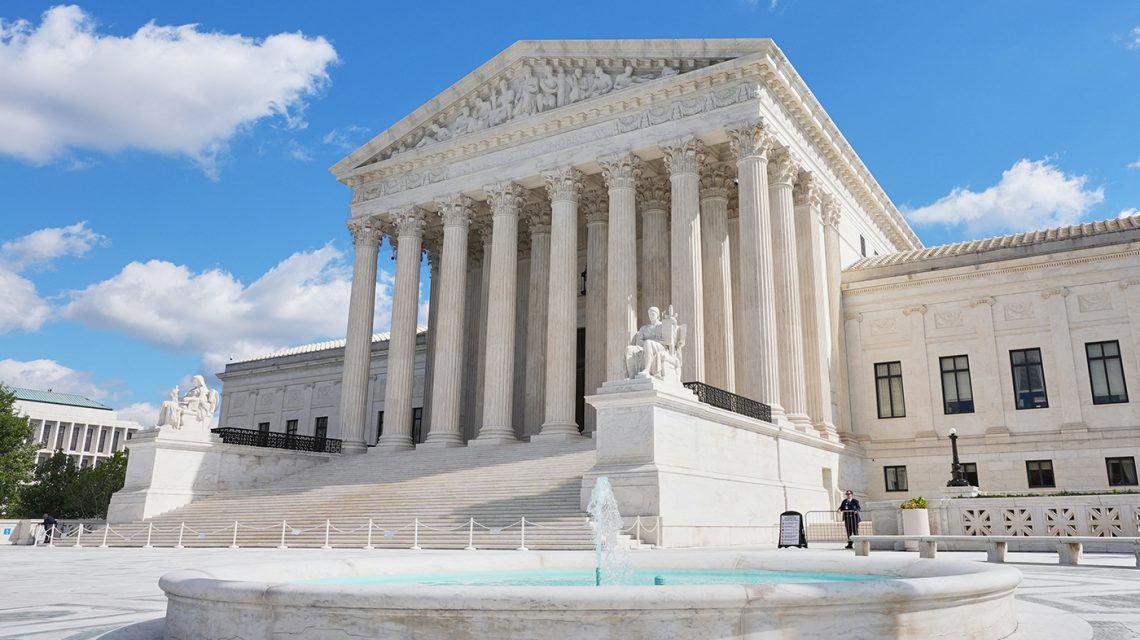
Currently, the Supreme Court is addressing a critical case, St. Mary Catholic Parish v. Roy, which tackles the issue of religious freedom in educational settings. At stake is whether Colorado can legally exclude Catholic preschools from a tuition assistance program offering approximately $6,300 per year for pre-K students. Slavis notes this case shares similarities with the discourse on disability accommodations.
Colorado allows schools to participate in its preschool funding program if they accommodate children with specific disabilities, including blindness or deafness. However, schools prioritizing religious beliefs do not receive similar support. The state distinguishes between physical limitations and spiritual beliefs, allowing accommodations for disabilities while denying them for religious preferences.
For Slavis, the comparison between her physical constraint and religious conviction holds profound significance. As a blind Catholic attorney, she views her adherence to religious principles as immutable as her visual limitations. This parallel raises questions about equal treatment for individuals with disabilities and those who follow specific religious beliefs. The Declaration of Independence champions equality by guaranteeing rights determined by the “Laws of Nature and of Nature’s God.”
Legal expert Michael McConnell emphasizes the necessity of accommodations to ensure fair treatment for all, drawing parallels between disability and religious accommodations. Accessibility features such as Braille signage, ramps, and closed-captioning exemplify disability accommodations, while kosher food for Jewish servicemembers or beards for Muslim or Sikh firefighters illustrate religious accommodations.
Historically, Quakers and pacifists served in alternative roles during wartime. During Prohibition, exceptions for sacramental wine were granted, recognizing religious practices. Accommodations are not mere indulgences. They reflect a commitment to honoring human dignity across the nation.
In the St. Mary case, Colorado’s stance offers dignity to certain citizens over others. While it supports accommodations for deaf or blind children, it denies similar respect and support to families whose religious practices limit their preschool choices. Colorado persists in this refusal, even as Catholic preschools close, reducing options for such families.
Human dignity is not selective. It is essential to societal membership. Religious and disability accommodations are inherent rights. Colorado must acknowledge and uphold the dignity of all citizens, regardless of religious beliefs.