Location: Tel Aviv, Israel
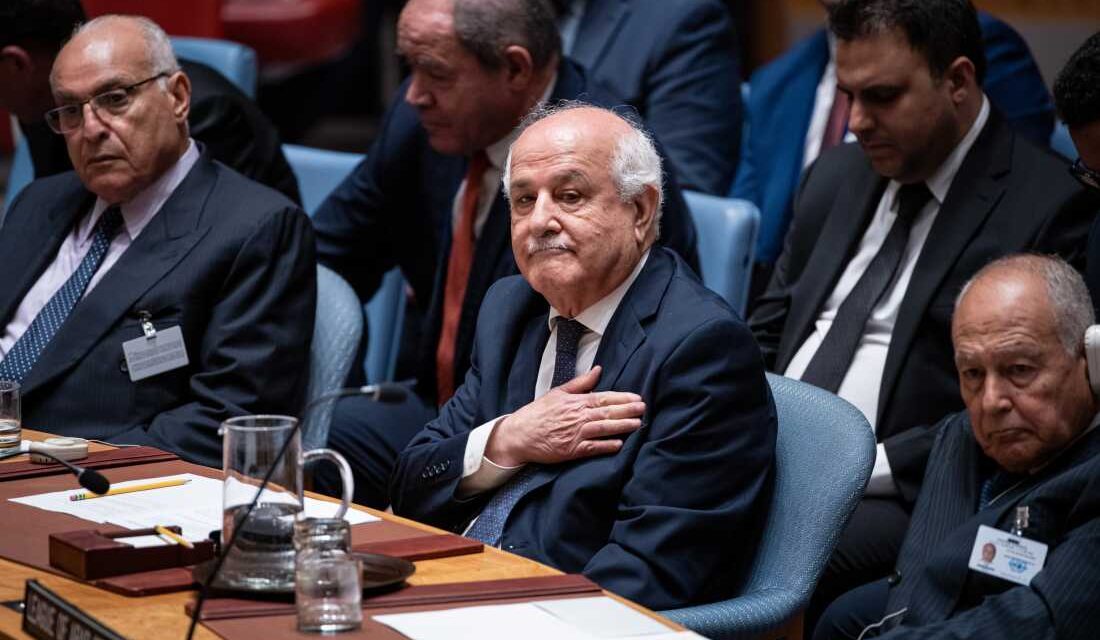
The United States is considering revoking the visas of the Palestinian delegation to the United Nations. This action is contingent upon Palestinian Ambassador Riyad Mansour withdrawing from his candidacy for a vice president role at the United Nations General Assembly. A cable from the U.S. State Department, obtained by NPR, instructs diplomats in Jerusalem to press Palestinian officials to abandon Mansour’s bid. Potential consequences include visa revocation.
The May 19 cable describes Mansour’s candidacy as exacerbating tensions and undermining President Trump’s peace plan for Gaza. It notes Mansour’s history of accusing Israel of genocide, describing his bid as harmful to Palestinian lives and U.S.-PA relations. Congress is expected to take the issue seriously according to the cable. Mahmoud Abbas’ office did not comment.
“A bully pulpit for Mansour would not improve the lives of Palestinians and would significantly damage U.S. relations with the PA,” the cable states.
Prior to last year’s assembly, the Trump administration denied visas to key Palestinian officials, including Abbas. However, it did not revoke visas for the UN delegation. The cable references a September 2025 decision to waive visa sanctions for Palestinian officials at the PLO’s UN Observer Mission in New York, warning that visa policies might be revisited.
Former U.S. diplomat Hady Amr called the threat counterproductive. Both Democratic and Republican administrations have historically opposed Palestinian attempts at full UN membership. Amr emphasized that visa restrictions are rarely used, noting the importance of diplomats in international relations efforts.
“Short of extreme situations like Russian espionage or election interference, using visa restrictions as you are reporting is extremely rare,” Amr remarked.
According to the State Department, visa record confidentiality precludes comment on specific cases. A 1947 agreement limits the U.S. ability to block UN officials from visiting New York. Despite this, the U.S. has denied visas to officials from Iran, Russia, and former Palestinian leader Yasser Arafat citing national security.
In February, Mansour withdrew his bid for President of the UN General Assembly. The U.S. had urged Mansour to drop the bid, which was celebrated by Israel’s ambassador to the UN. Palestinian participation in the vice president elections, scheduled for June 2, includes a list of candidates from Asia and the Pacific.
The cable underscores the potential impact of a Palestinian vice president presiding over UN sessions, describing it as a “worst-case scenario.”
Mansour has drawn attention at UN sessions, emotionally addressing the humanitarian issues affecting Palestinians. In May 2025, amid the Gaza war, he delivered an impassioned speech on children killed in airstrikes. He also appealed for a ceasefire to protect hostages and lives in Gaza in August 2025.
“It is not our destiny that the option is the continuation of killing and agony and tragedies and wars,” Mansour asserted.
NPR’s Michele Kelemen and Aya Batrawy contributed to this report.
 The Threat of Melting Glaciers: A Call to Action
 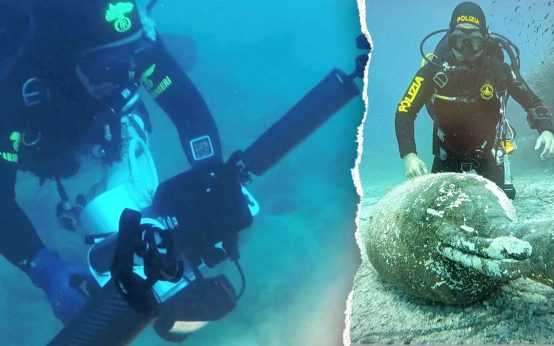 Police Discover Ancient Roman Artifacts Off Sardinian Coast
 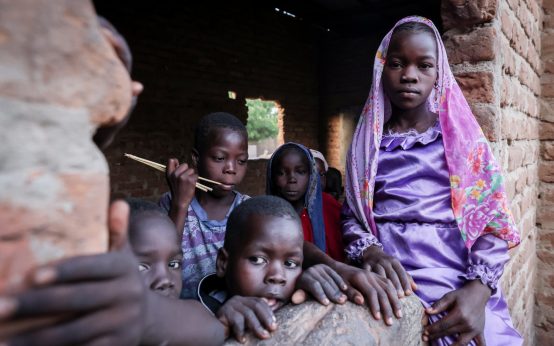 Urgent Need for Action in East Africa’s Food Crisis
 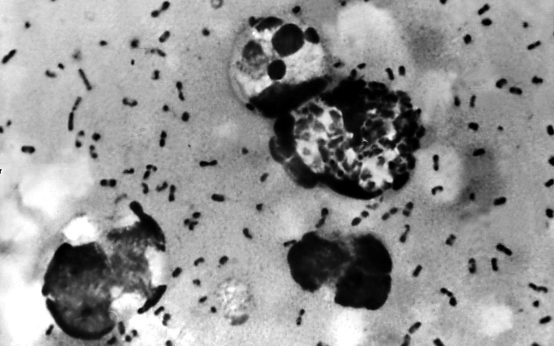 Suspected Plague Death in Siberia Sparks Health Measures
  G7 Nations Agree to Release 100 Million Barrels of Oil Amid Fuel Price Surge
  Co-Pilot Attempts Hijack on Flight to Tel Aviv