Following the midterm elections, Democrats advance with strategic moves. This comes amid an understanding that Republican losses are part of a typical shift in power. Historically, losses like the GOP’s 46 seats are modest compared to past presidents such as Franklin Delano Roosevelt and Barack Obama.
Some presidents, despite significant losses, rebounded to win second terms. The Democrats’ recent victories motivate them to ensure success in future presidential elections. They aim to change the political landscape by negating the Electoral College to amplify high-population blue states’ influence.
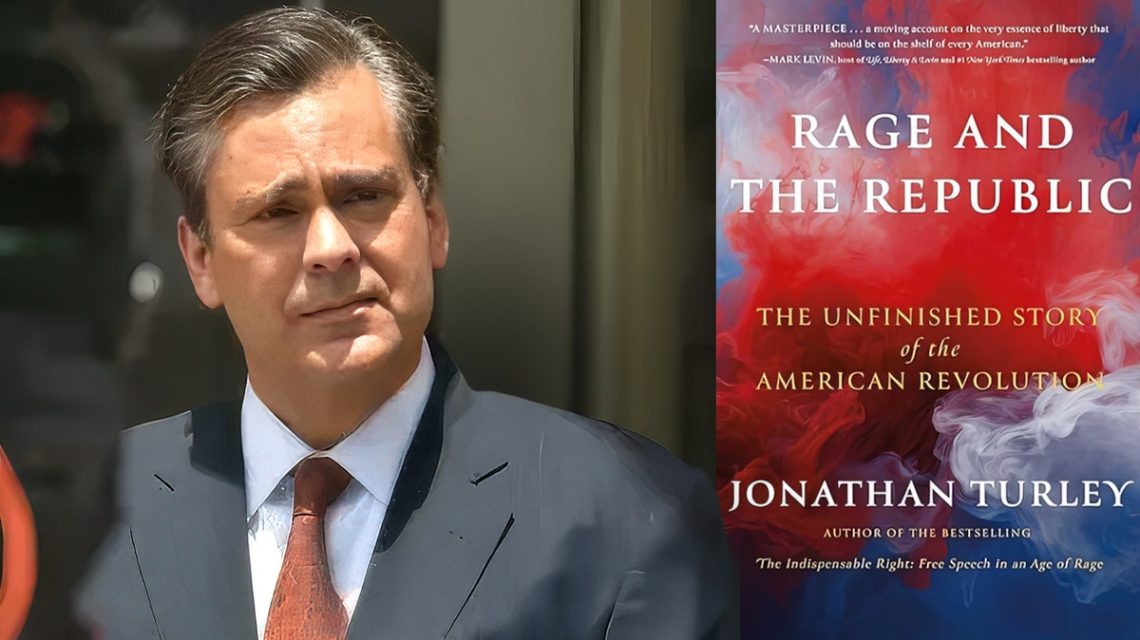
My book, Rage and the Republic, discusses proposed radical changes, including undermining the Constitution. Academics have long debated changes like eliminating the filibuster and adding new states. A major step involves packing the Supreme Court to secure a liberal majority, allowing legislation without Republican opposition.
Harvard professor Michael Klarman proposed reforms ensuring Republicans struggle to win future elections. However, he acknowledged the Supreme Court could hinder these changes, hence advocating for strategic pre-emptive court packing.
The Democratic effort aligns with the intention to restructure constitutional frameworks, potentially shifting governor support to affect the Electoral College. States could agree to allocate electoral votes based on the national popular vote, bypassing the traditional system.
This compact, yet untested constitutionally, might conflict with established amendment processes. It seeks to avoid the challenging Article V amendment route recognized by the Supreme Court as a safeguard against power imbalances.
In Rage and the Republic, I examine this issue historically and in the present context. The concern lies in emulating changes reminiscent of the French Revolution’s Jacobins who sought direct democracy through sweeping reforms. Despite Thomas Paine’s initial endorsement, he later regretted similar changes as they led to turmoil.
The potential for drastic reforms echoes past warnings by the Framers against unchecked democratic measures, which they called ‘mobocracies.’
While there are valid arguments for electing presidents by popular vote, current reform efforts may threaten constitutional traditions and stability. Citizens should remain vigilant and consider the broader implications of these sweeping reforms.
 Mayor Mamdani’s Policing Reform Plans
 Gen Z Voter Shifts and Their Impact on the 2026 Midterm Elections
 Disappearance of US Senate Candidate Raises Questions
 DOJ Rule Change Reduces Appeal Time for Immigrants Facing Deportation
 Hakeem Jeffries’ Bid for House Speaker Faces Progressive Hurdles
 Ohio Judge Dismisses Defamation Lawsuit by Rep. Max Miller