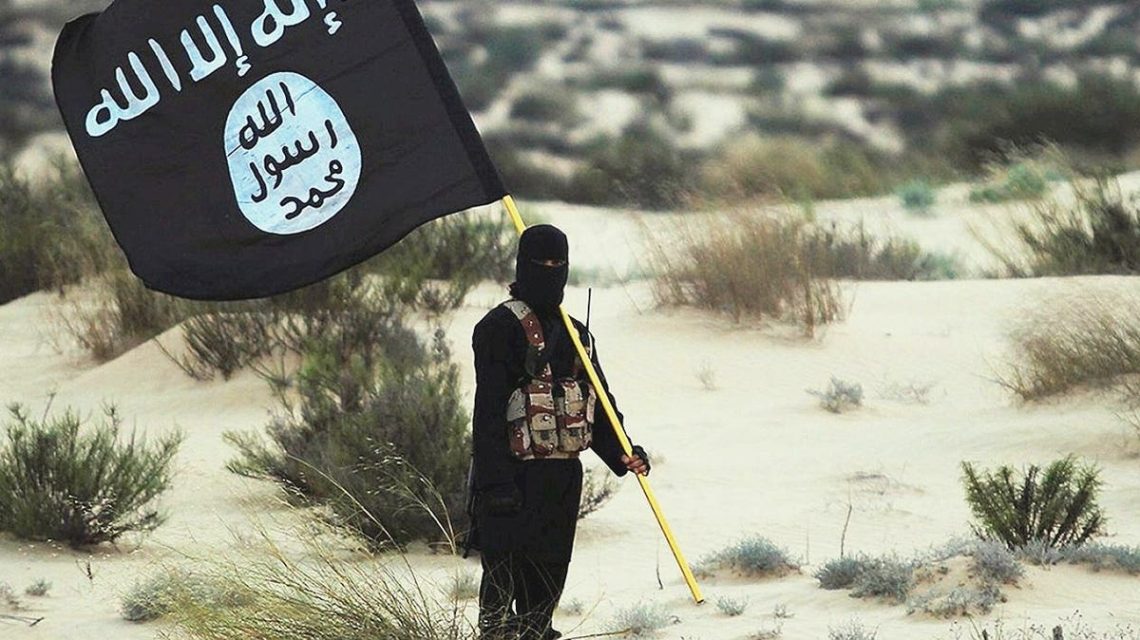
The Islamic State is regaining strength as the United States plans its departure from Iraq. This move raises concerns that the terrorist group might exploit a power vacuum. On Sunday, a regional security expert highlighted this risk. Dr. Omar Mohammed, a counterterrorism expert, explained the situation as U.S. forces are set to leave by September 30. Meanwhile, Baghdad struggles to control Iran-backed militias. This period could be the most perilous for Iraq since ISIS took control of Mosul in 2014. Mohammed, affiliated with George Washington University Program on Extremism, revealed to Fox News Digital, “ISIS always waits in the gaps.”
The withdrawal timetable is determined. However, the challenge lies in what elements will leave alongside American forces. Militias cite the ISIS threat to maintain their armaments, while ISIS capitalizes on grievances fostered by these groups, according to Mohammed. This balance recalls the dynamic that destabilized Mosul before its fall in 2014. At that time, sectarian security forces and the insurgency both contributed to the city’s downfall. Following years of preparation, ISIS captured Mosul, approximately 250 miles north of Baghdad. Iraqi security forces failed to defend the city, allowing ISIS to seize U.S.-made weapons and massive sums of money. Abu Bakr al-Baghdadi then declared ISIS’s caliphate.
Mohammed initiated “Mosul Eye,” a covert blog aimed at documenting life under ISIS. It provided valuable intelligence to U.S. forces, ultimately aiding the coalition in recapturing Mosul by July 2017. Although the U.S. combat mission concluded in 2021, ISIS remains active in Iraq and parts of Syria. The U.S. Central Command (CENTCOM) has committed to dismantling ISIS networks and preventing a resurgence.
Mohammed informed of Iraqi intelligence estimates suggesting an increase in ISIS fighters in Syria, from 2,000 to potentially 10,000. This follows the collapse of Bashar Assad’s government in 2024. Additionally, the Popular Mobilization Forces (PMF), integrated within Iraq’s security framework, remains active since ISIS’s territorial defeat. Comprising roughly 238,000 members with financial backing from the government, factions within the PMF maintain connections to Iran, operating beyond Iraq’s governmental authority.
As U.S. forces withdraw by September 30, Iraq faces a period marked by simultaneous domestic disarmament efforts. Armed factions like Kataib Hezbollah and Asaib Ahl al-Haq must be brought under state control. Mohammed noted, “Sept. 30 is not one deadline; it is two.” The division between militias and ISIS is interconnected; each validates the existence of the other.
The U.S. withdrawal aligns with a 2024 agreement with Iraq, projecting an end to the mission by 2025. Nonetheless, support will continue for anti-ISIS operations in Syria until September 2026. Mohammed cautioned against overlooking past errors. The fall of Mosul in 2014 was not due to ISIS’s strength alone. The absence of presence, attention, and candid reporting contributed to its unchallenged expansion over time.
Also noteworthy was the meeting between U.S. President Donald Trump and Iraqi Prime Minister Ali al-Zaidi on July 14, 2026, at the White House. The announcement of remaining U.S. troops leaving sparked criticism from Tehran. Iran International reported that Ali Akbar Velayati, adviser to Iran’s Supreme Leader Mojtaba Khamenei, condemned the meeting, indicating it impaired Iraq’s dignity.
Mohammed highlighted Iran’s strategic interests in Iraq, especially after U.S. operations diminished parts of its proxy network. “Iran’s strategic calculation matters more,” he said. With Iraq remaining pivotal to Iran, the regime fears irrelevance more than resurgence. The possibility of a stable Iraq after disarming militias scares Tehran.
What follows the September withdrawal depends not on diplomatic statements but on actions. Mohammed emphasized the significant implications of judgments made in the region post-withdrawal. Whether ISIS escalates to threaten Iran or remains a convenient tool for Iran’s purposes will be a pivotal question in the year following the withdrawal.
Fox News Digital reached out to the White House for comment.
Emma Bussey is a breaking news writer for Fox News Digital. She previously worked at The Telegraph, engaging in various desks like foreign, politics, news, sport and culture.
 The Threat of Melting Glaciers: A Call to Action
  Police Discover Ancient Roman Artifacts Off Sardinian Coast
  Urgent Need for Action in East Africa’s Food Crisis
  Suspected Plague Death in Siberia Sparks Health Measures
 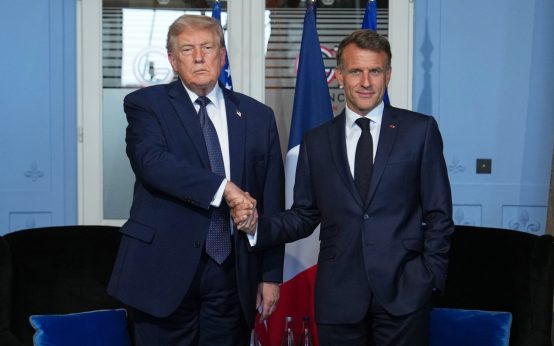 G7 Nations Agree to Release 100 Million Barrels of Oil Amid Fuel Price Surge
  Co-Pilot Attempts Hijack on Flight to Tel Aviv