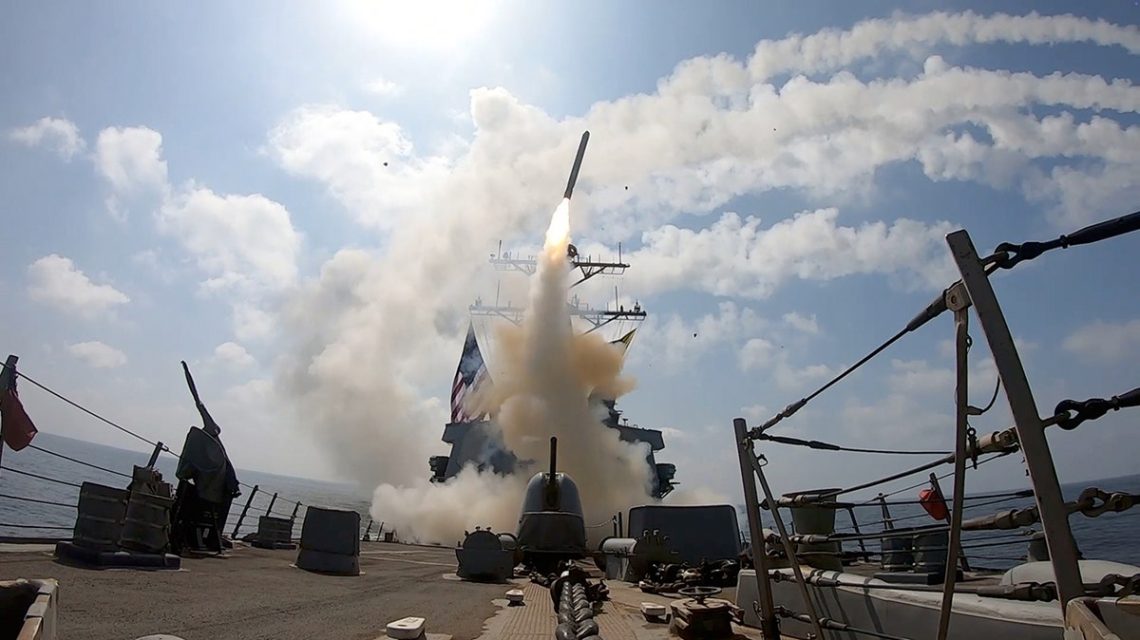
American voters have once again shown their disapproval of foreign conflict involvement. On November 3, discontent over the war with Iran led to significant political shifts. This mirrors the voter response to the Iraq War in 2006. Democrats seized control of Congress, flipping at least seven Senate seats in states like Texas, Ohio, Kansas, and Iowa.
Vice President JD Vance attributed the losses to President Donald Trump’s war policy. This echoes concerns from the Iraq invasion of 2003, where strategic foresight was questioned.
Trump now confronts his own challenges. Although American forces have delivered substantial damage to Iran’s military, the strategic success remains in doubt. Public confidence in the mission is waning, and the costs are immense. Military spending reached $47.1 billion by mid-October, excluding American base repairs, with further damages potentially totaling $15 billion. Congress will need to evaluate these losses and costs.
The decision to divert the USS George Washington from the Pacific to the Middle East highlighted strategic dilemmas. The shift impacts America’s ability to address challenges posed by China, a significant competitor.
Colin Powell’s doctrine of clear objectives, public support, and exit strategy remains relevant. The latest election results demonstrate the consequences of neglecting these principles.
Iran still poses nuclear threats, and the regime remains. The conflict’s continuation without outcomes challenges the administration. Congressional actions may probe military losses and question the administration’s strategies.
International and domestic audiences are watching closely. Tehran sees the election as anti-war sentiment. This perception must be managed strategically. Internally, Trump’s choice of advisers and policy direction is crucial. Varying opinions exist within his team on engaging with Iran. Strategic clarity is needed to define victory. Focusing on containing nuclear ambitions, ensuring shipping safety, or furthering diplomatic negotiations require distinct commitments.
Currently, Trump hesitates to intensify military actions during ongoing diplomatic efforts. Reflective strategy development can prevent higher future costs. Historical lessons emphasize the importance of aligning strategy with public will.
Iran must not misinterpret electoral outcomes as a license to threaten. Similarly, Trump should not equate military dominance with strategic success. Thoughtful planning and clear goals are critical in resolving ongoing conflicts.
 In-Flight Altercation on Qatar Airways Leads to Police and FBI Response
 Mayor Mamdani’s Policing Reform Plans
 Virginia Residents Sue Over Alleged Immigration Violations
 Gen Z Voter Shifts and Their Impact on the 2026 Midterm Elections
 Disappearance of US Senate Candidate Raises Questions
 DOJ Rule Change Reduces Appeal Time for Immigrants Facing Deportation