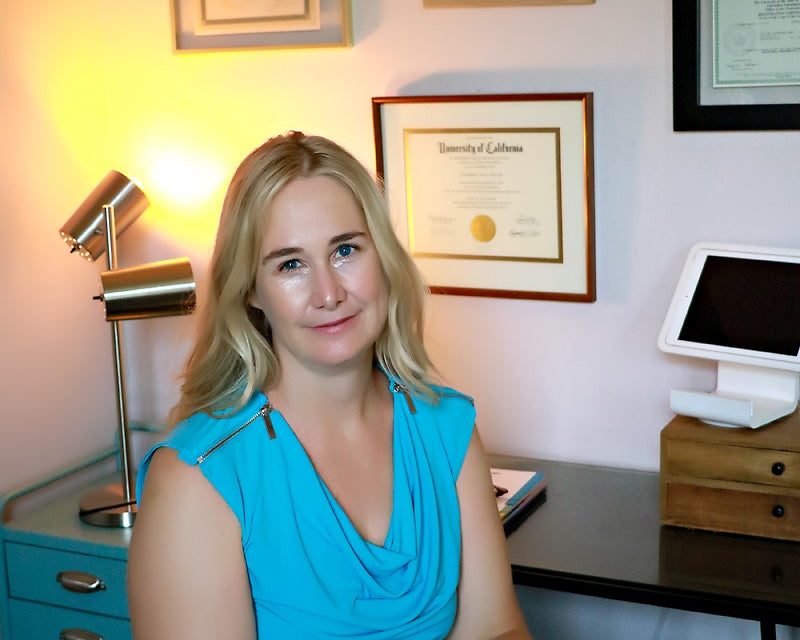
For nearly three decades, I’ve practiced massage therapy, understanding the deep importance of human touch. Social affective touch, such as what massage therapists provide, can reduce feelings of social isolation. In an era where disconnection is rampant, this kind of touch becomes crucial. I’ve seen how a contracted body relaxes, offering the mind a path to peace. Breathing alters as the nervous system slows down. Muscles release tension, and facial features soften.
Massage therapy does more than soothe my clients; it soothes me. In my early 20s, coping with grief after my mother’s sudden death, I found refuge in massage sessions. Beyond talk therapy, massage gave safety and comfort, helping me hold onto the memories of my mother. Skilled bodywork aids clients in developing interoceptive skills—recognizing and managing internal body sensations. Research by Dr. Cynthia Price at the University of Washington shows that improved interoceptive ability enhances emotional regulation and well-being.
The need for this work among men is significant. However, since last year, I’ve stopped taking new male clients. This decision isn’t due to a lack of wonderful male clients—some remain in my practice. But misconceptions around the therapeutic value of touch lead many to confuse massage therapy with sex work. This misunderstanding, along with jokes about “happy endings,” places professionals in all touching fields in precarious situations.
A past incident at a spa involved a male client who requested abdominal massage under false pretenses, resulting in a nonconsensual experience for me. Though I terminated the session, the event left me feeling manipulated. Such experiences are common among female massage therapists, leading many to leave the field. Online forums are filled with stories of inappropriate behavior faced daily.
Incidents like these made me uncomfortable working with male clients in uncontrolled environments. Private practice offered more screening options, but assurances were elusive. I used detailed intake forms, references, and other strategies to vet new male clients. Despite precautions, anxiety often accompanied these appointments, undermining my ability to deliver effective therapy.
Throughout a decade of practice, I discussed these challenges with my therapist, who suggested working exclusively with women to enhance my comfort and safety. Initially, I resisted, considering the fairness and financial impacts. Yet, the prospect of a women-only practice felt liberating. Now, without the threat of unsafe situations, I focus entirely on my clients’ therapy free from fear.
Feedback from clients reflects this shift. One mentioned that knowing my practice is geared towards women made them feel safe and supported. My decision protects my well-being and strengthens my professional offering, though it’s regrettable to turn away potentially positive male clients. Ultimately, defining these boundaries allows me to offer more to those I serve.
 The Future of MAHA in American Health Politics
 Insulin Cost Caps Gaining Support Amid Rising Prices
 A Personal Journey Through Encephalitis
 Low-Cost Medication May Benefit Stroke Survivors
 The Complex Debate Over Kratom Use in the U.S.
 Florida’s Struggle with Dengue Fever and AI Solutions