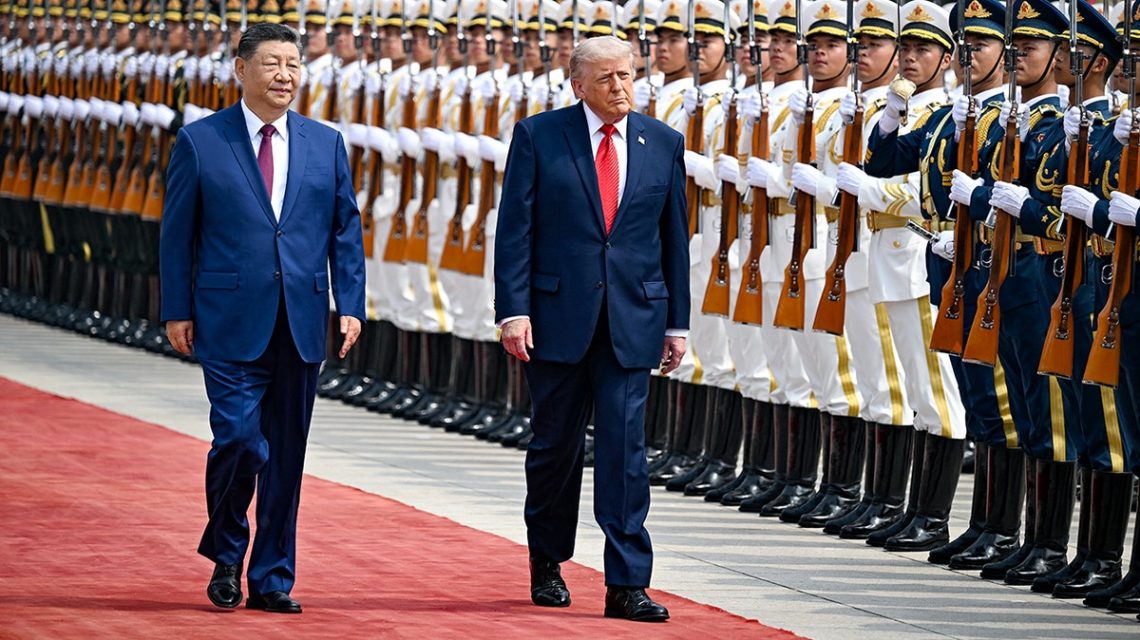
President Donald Trump has returned from Beijing after meeting with Chinese President Xi Jinping. Although praised for warmer trade ties, the summit highlighted an unresolved critical issue: Taiwan.
Former NBA player Enes Kanter Freedom emphasized Taiwan’s central role in the global technology race. “Taiwan is pivotal for understanding AI dominance, economic power, and national security,” Freedom stated in an interview. Known for his criticism of the Chinese Communist Party, Freedom noted the lack of progress and highlighted Taiwan’s strategic importance in U.S.-China relations.
Freedom remarked, “Trump recognizes China as America’s long-term geopolitical challenge.” He believes that strong American leadership is essential to maintain stability in the Taiwan Strait and prevent miscalculation by authoritarian regimes.
“Taiwan is deeply connected to America’s economy, military readiness, and AI futures. It’s about who controls the technologies that will define the next century. America needs Taiwan, and Taiwan needs America,” said Freedom.
The issue persists as Taiwan seeks U.S. weapons to bolster its defense against potential Chinese aggression. President Trump has yet to announce his decision on a new arms package for Taiwan. A senior White House official noted Trump’s approval of $11.1 billion in arms sales to Taiwan in December 2025 aligns with long-standing U.S. policy.
Under Trump, Taiwan received more arms than from any previous President. This decision serves as a significant indicator for both Beijing and Taipei concerning future relations.
The summit included top American tech CEOs, illustrating the U.S.-China rivalry over artificial intelligence. Taiwan’s own President, Lai Ching-te, asserted that U.S. arms purchases are crucial deterrents against regional conflict.
Lai emphasized the Taiwan Relations Act’s role in strategic cooperation and peacekeeping, noting its long-standing history in maintaining regional stability.
Taiwan’s semiconductor industry is vital to technologies ranging from consumer electronics to defense applications. Major companies like Apple and Nvidia rely on Taiwan-based manufacturing, highlighting its importance in global semiconductor production.
Military tensions around Taiwan have intensified, with China’s increased air and naval activity. China portrays “Taiwan independence” as incompatible with peace, stressing the need for stability across the Taiwan Strait.
Freedom, planning a visit to Taiwan in October, aims to showcase the island’s democratic society through basketball camps and his advocacy for human rights. He expresses aspirations to highlight China’s treatment of Uyghurs, and support those facing oppression, including Hong Kongers and Tibetans.
Freedom seeks to document his experience and demonstrate Taiwan’s resilience against intimidation.
 British Police Arrest Man Suspected of Terror Plot
  Activists Push for Nationwide Ban on Child Marriage in the U.S.
  Investigation into Alleged Incident at Cornell University
  Rising Drone Threats Highlight Vulnerabilities in Moldova’s Airspace Defense
  Bolivia Faces Security Test Amid Unrest
 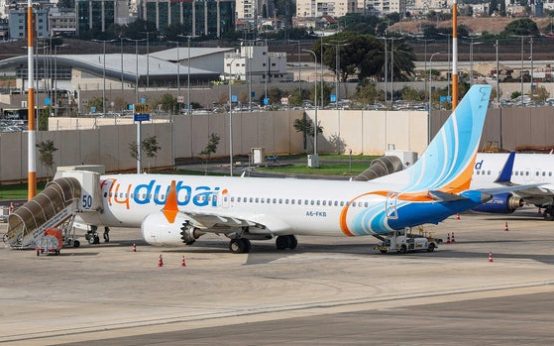 Incident on FlyDubai Flight Raises Security Concerns